
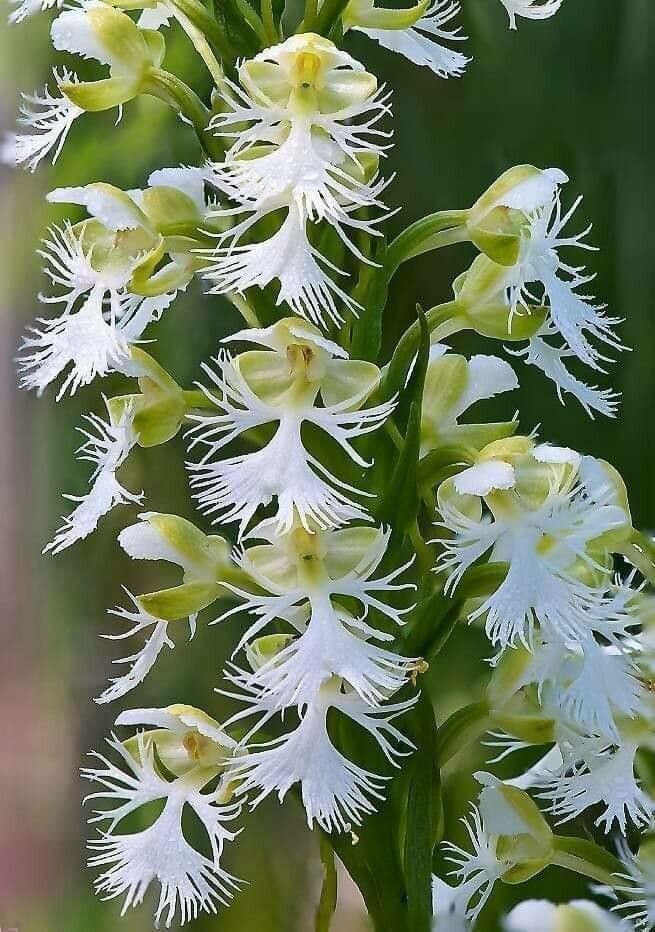
Bringing Back the White Fringed Orchid: A Guide to Propagating Platanthera leucophaea
The White Fringed Orchid (Platanthera leucophaea) is a breathtaking sight, its delicate white petals delicately fringed and swaying in the summer breeze. But sadly, this stunning wildflower faces a precarious future, with its populations dwindling due to habitat loss and other threats. Thankfully, there’s a way to help bring this species back from the brink: propagation.
While commercial propagation of Platanthera leucophaea is strictly regulated, there are ethical and effective methods for enthusiasts and conservationists to help increase its numbers. Let’s explore some key techniques for propagating this beautiful orchid:
Seed Propagation: A Slow but Rewarding Journey
Due to their complex life cycle, White Fringed Orchids are often challenging to propagate from seed. They require a symbiotic relationship with specific mycorrhizal fungi to germinate and thrive. Here’s a step-by-step guide:
- Harvesting Seeds: Obtain seeds from mature orchid pods after pollination. Timing is crucial, as ripe seeds should be dispersed soon after the capsule splits.
- Sterilization: To minimize fungal contamination, surface sterilize the seeds using a dilute bleach solution. Rinse thoroughly to remove all traces.
- Preparing the Medium: Use a sterilized mix of fine-grained bark, perlite, and peat moss. The mix should be porous and retain moisture without becoming waterlogged.
- Fungal Inoculation: This is the crucial part. Obtain mycorrhizal fungi specific to Platanthera leucophaea, either from a reliable source or by collecting spores from the soil around existing plants.
- Sowing: Sprinkle the sterilized seeds onto the moist medium and gently mist the surface.
- Incubation: Keep the containers in a cool, dimly lit environment. Germination can take months, even years, and requires patience and careful monitoring.
- Transplanting: Once seedlings develop true leaves, gently repot them into a larger container with a slightly richer medium still incorporating mycorrhizal fungi.
Division: A Faster Approach for Established Plants
Division is a more direct method for propagation, suitable for established White Fringed Orchids with multiple pseudobulbs. However, it’s crucial to only divide healthy plants and to do so with utmost care. Here’s how:
- Choose a Healthy Plant: Select a plant that has multiple pseudobulbs and healthy roots.
- Prepare the Plant: Gently brush away any soil from the roots and carefully separate the pseudobulbs. Aim for each division to have at least 3-4 pseudobulbs to ensure its viability.
- Prepare the Pots: Fill individual pots with a well-drained, porous, and organically rich medium that mimics the plant’s natural habitat.
- Plant Divisions: Carefully plant the divided portions, ensuring the roots are spread out and not cramped. Gently firm the soil around the roots.
- Water and Care: Provide adequate moisture without overwatering and maintain a cool, shady environment.
Ethical Considerations: Protecting the Wild
While propagation is a valuable tool for increasing the number of White Fringed Orchids, it’s crucial to prioritize ethical practices. Never collect plants or seeds from the wild, as this can have devastating impacts on fragile populations. Instead, collaborate with established conservation efforts, purchase seeds or plants from reputable sources, and create suitable habitat to attract these beautiful orchids to your region.
By understanding the principles of propagation and engaging in ethical practices, you can play a vital role in safeguarding the future of the White Fringed Orchid. This rare and captivating flower deserves to thrive, and with our careful efforts, we can help ensure its beautiful presence for generations to come.