
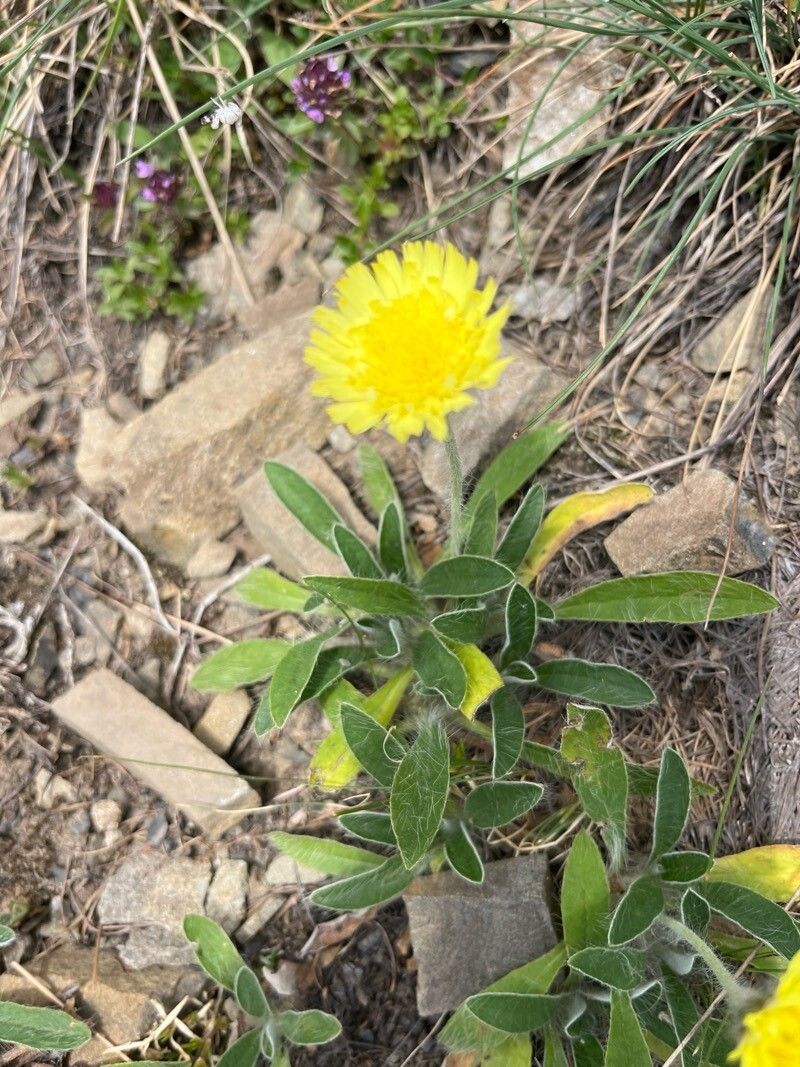
Unleash the Fuzz: How to Propagate Pilosella peleteriana (Hawkweed)
Pilosella peleteriana, also known as “Hairy Hawkweed,” is a captivating wildflower with bright yellow blooms and a distinct fuzzy appearance. Its vibrant color and delicate beauty make it a welcome addition to any garden. But did you know that this hardy plant is also surprisingly easy to propagate?
Whether you want to expand your existing patch or share this delightful species with friends, mastering propagation techniques ensures the success of your hairy hawkweed endeavor.
Two Main Methods for Propagation:
- Seed Propagation: This method is straightforward and yields numerous seedlings.
- Collecting seeds: After flowering, the plant produces fluffy seed heads, each containing numerous seeds.
- Sowing the seeds: Sow the seeds directly into the garden in early spring or fall. They prefer well-drained soil and a sunny location. Lightly cover the seeds with soil, water gently, and patiently await germination. Seeds usually sprout within a few weeks.
- Division: This method offers faster results and is especially useful for mature plants.
- Choose the right time: Spring or early fall are the best times to divide your plant, as it allows the newly separated portions to establish roots before the winter.
- Prepare for division: Carefully dig up the entire plant, ensuring you don’t damage the root system.
- Divide the plant: Using a sharp knife or gardening shears, divide the plant into smaller sections, ensuring each section has multiple roots and at least one growth point. Don’t be afraid to be thorough!
- Replant: Plant the divided sections in well-drained soil. Water them generously, and ensure they receive adequate sunlight.
Important Propagation Tips:
- Choose the right environment: Pilosella peleteriana thrives in sunny locations with well-drained soil. This ensures optimal growth and reduces the risk of diseases.
- Water regularly: Especially during the initial stages, keep the soil consistently moist but not waterlogged.
- Fertilize sparingly: While the plant prefers fertile soil, excessive fertilization can lead to excessive foliage growth at the expense of flowers.
- Keep an eye out for pests and diseases: Hawkweed is generally pest-resistant, but keep an eye out for aphids and other insects. They may be readily treated with horticultural soap or other organic solutions.
Why Pilosella peleteriana?
Beyond its charming appearance, Pilosella peleteriana boasts several advantages:
- Low maintenance: This plant is remarkably resilient and requires minimal care once established.
- Attracts pollinators: Its vibrant yellow flowers attract beneficial insects such as bees and butterflies, adding life and color to your garden.
- Naturalizes easily: Pilosella peleteriana spreads readily through self-seeding, creating a charming naturalized effect.
In Conclusion:
Propagating Pilosella peleteriana is an easy and rewarding experience. Embrace its fuzzy charm, choose your preferred propagation method, and enjoy the joy of growing this delightful wildflower. Whether you’re a seasoned gardener or just starting out, Pilosella peleteriana is a perfect choice for anyone seeking to add vibrancy, color, and a touch of wilderness to their garden.