
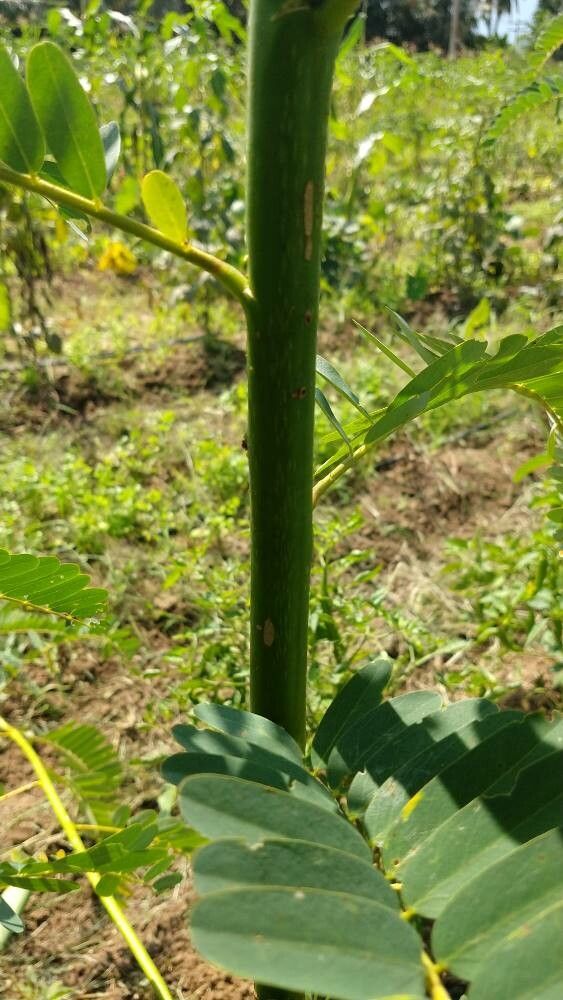
From Cutting to Bloom: A Guide to Propagating Sesbania Grandiflora (The Agati Tree)
The Agati tree, botanically known as Sesbania grandiflora, is a stunning tropical beauty with large, vibrant blooms that draw the eye. But beyond its aesthetic value, this fast-growing legume offers numerous benefits, from providing edible leaves and flowers to supporting nitrogen fixation in the soil. If you’re looking to add this versatile plant to your garden, propagation is the key!
Understanding the Agati Tree’s Propagation Prowess
Sesbania grandiflora is a remarkably easy plant to propagate, making it a great choice for both seasoned gardeners and beginners. It can be grown from seeds, but the most common and successful method is through cuttings.
The Power of Cuttings: A Step-by-Step Guide
- Selecting the Right Cutting: Choose healthy, young stems from the current year’s growth. The ideal length is around 6-8 inches.
- Preparing the Cutting: Make a clean cut at a 45-degree angle just below a node (the point where a leaf or bud emerges). Remove any leaves below the soil line.
- Boosting Root Development: Dip the cut end of the stem into a rooting hormone powder. This will stimulate root growth.
- Planting the Cutting: Use a well-draining potting mix and place the cutting in a pot. Ensure the soil is moist, but not waterlogged.
- Creating the Perfect Environment: Place your potted cutting in a warm, humid location. Cover the pot with a plastic bag or a clear dome to create a mini-greenhouse effect.
- Patience is Key: It can take 2-4 weeks for roots to develop. Keep the soil consistently moist but avoid overwatering.
Beyond the Basics: Tips for Success
- Time is of the Essence: The best time for propagation is during warm weather, ideally in spring or summer.
- Leaf Removal is Beneficial: Removing leaves above the soil line can help the plant focus its energy on root development.
- Sunshine is Essential: Make sure your cutting is exposed to bright indirect light, avoiding direct sunlight until roots have developed.
- Regular Check-ups: Monitor the soil moisture levels and adjust watering as needed.
- Repotting for Growth: Once your cutting has formed a strong root system, it can be transplanted into a larger pot or directly into the garden.
From Seeds to Blooms: Cultivating the Agati Tree
While cuttings are the most reliable method, you can also try growing Sesbania grandiflora from seeds.
- Sowing Seeds: Sow seeds in seed trays or pots filled with a lightweight potting mix.
- Germination Conditions: Keep the soil moist and provide warm temperatures.
- Thinning Out Seedlings: Once seedlings emerge, thin them out to give the strongest ones room to grow.
- Transplanting: When the seedlings are large enough, transplant them into individual pots or directly into your garden.
Enjoying the Beauty and Benefits
With proper care and attention, your Sesbania grandiflora plant will flourish, producing beautiful blooms for months. You’ll also reap the many benefits of this remarkable tree, from its edible flowers and leaves to its nitrogen-fixing properties. So, why not bring a touch of tropical charm to your garden and experience the joy of propagating this amazing plant yourself?