
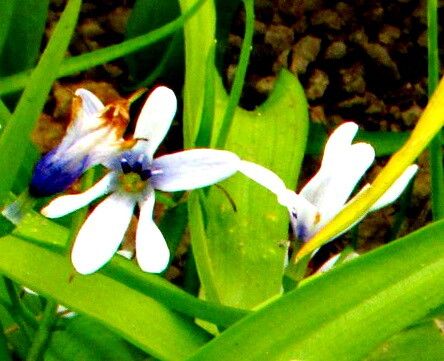
Unlocking the Secrets of Tecophilaea violiflora: A Guide to Propagation
Tecophilaea violiflora, the captivating “Chilean Glory Lily,” is a true gem in the gardening world. Its vibrant, violet-blue, bell-shaped flowers, reminiscent of miniature lilies, are a sight to behold. But what if you could share this beauty with others? The good news is, propagating Tecophilaea violiflora is not as daunting as it may seem. Read on to discover the secrets of growing your own beautiful Chilean Glory Lilies.
Understanding the Basics:
Tecophilaea violiflora thrives in cool, moist conditions, typically found in the Mediterranean climate of its native Chile. It produces bulb-like structures called corms, which act as a storage reserve for the plant. Thankfully, these corms offer a fantastic opportunity for propagation through division.
Methods of Propagation:
1. Division:
This method is arguably the simplest and most effective way to increase your Tecophilaea violiflora collection. Here’s how:
- Timing: The ideal time to divide Tecophilaea corms is during dormancy, usually in late summer or early autumn.
- The Process: Carefully lift the existing clump of corms from the ground. Gently separate the corms, ensuring each has at least one growth point. Plant the divisions in a well-drained, slightly acidic soil mix, spacing them about 4-6 inches apart.
- Watering and Care: Water the newly planted corms thoroughly. Keep the soil consistently moist but not waterlogged, especially after planting.
2. Seed Propagation:
While less common, propagating Tecophilaea violiflora from seeds offers a unique experience.
- Timing: Seeds are best sown in autumn, ideally in a cold frame or indoors.
- The Process: Sow the seeds thinly on top of a well-draining seed compost. Cover the seeds lightly with compost and keep them moist.
- Patience is Key: Germination can take time, sometimes several months, so be patient and keep the soil consistently moist.
Tips for Success:
- Moisture is Crucial: Tecophilaea violiflora needs consistent moisture, especially during active growth. Aim for well-drained soil that retains adequate moisture without becoming waterlogged.
- Light Conditions: These beauties thrive in partial shade to full shade environments. Avoid direct sun exposure, especially in warmer climates.
- Soil Choice: A slightly acidic soil mix with good drainage is essential. You can amend your garden soil with peat moss or compost to achieve the desired pH.
- Winter Protection: In cold climates, provide winter protection with a layer of mulch to shield the corms from harsh frost.
Conclusion:
Propagating Tecophilaea violiflora is an exciting journey that allows you to share the beauty of this captivating plant with others. Whether you choose the reliable method of division or embark on the exciting process of growing from seed, the rewards are well worth the effort. With a bit of care and attention, you can soon enjoy a vibrant display of charming, violet-blue flowers in your own garden.