
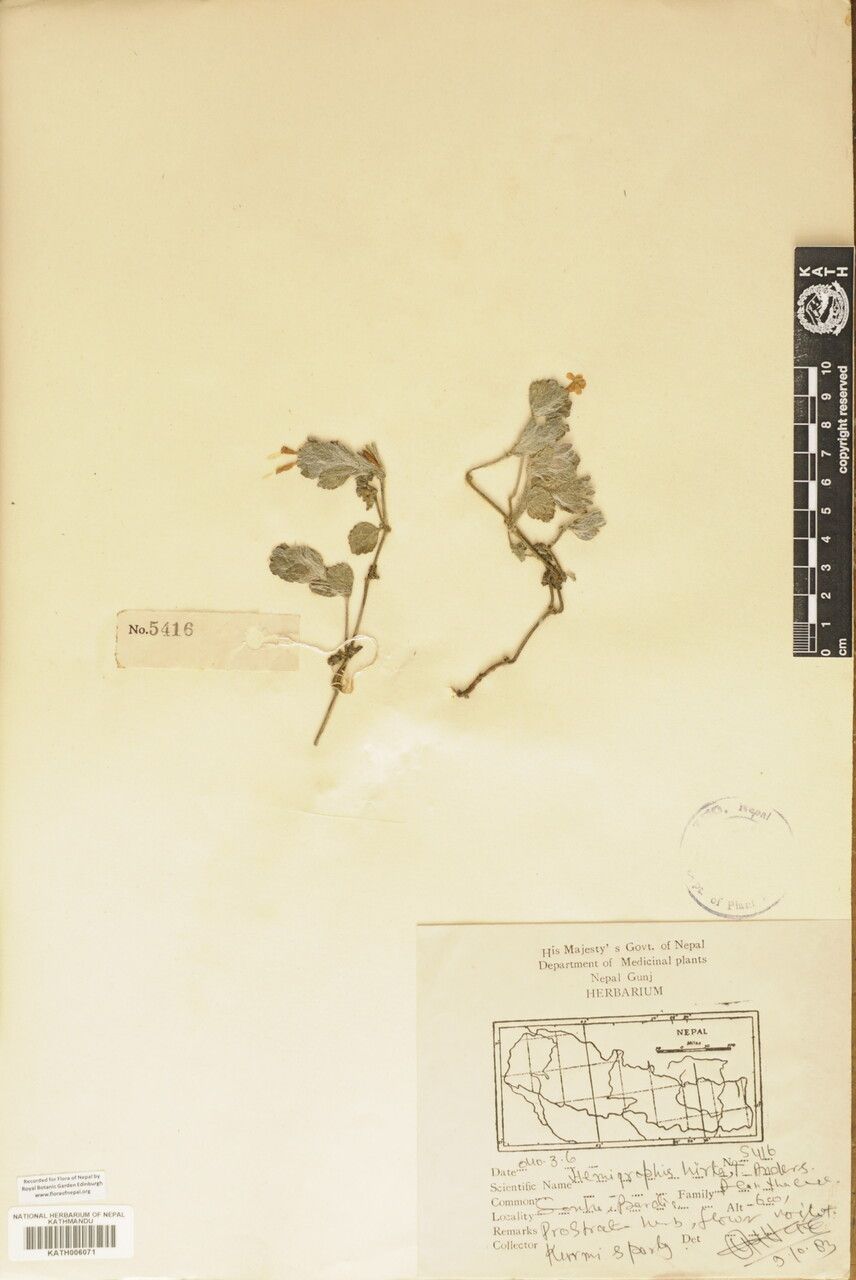
Unlocking the Secrets of Strobilanthes hirta: A Guide to Propagation
If you’re looking for a plant that’s both beautiful and surprisingly easy to propagate, look no further than Strobilanthes hirta. This striking plant, also known as Persian Shield or Blue-leaved Strobilanthes, is renowned for its vibrant, metallic purple foliage, adding a splash of color to any garden or indoor space. But what truly makes it special is its incredible ease of propagation – a skill that even novice gardeners can master.
Understanding the Basics of Propagation
Propagation essentially means creating new plants from existing ones. For Strobilanthes hirta, there are two primary methods that work wonders:
Stem Cuttings: This method leverages the plant’s natural ability to root from cuttings. Simply snip a healthy stem, remove the lower leaves, and place the cutting in a suitable rooting medium, like vermiculite or a peat moss mix.
- Leaf Cuttings: While less common, leaf cuttings are also effective for propagating Strobilanthes hirta. Select a healthy leaf, trim the stem just below the leaf, and place it on a moist rooting medium.
The Secrets to Success
While propagation is relatively straightforward, there are a few key factors that significantly increase your chances of success:
Timing is Key: The best time to propagate Strobilanthes hirta is during the growing season, typically from spring through early fall. This is when the plant is actively growing and its energy is focused on producing new roots.
The Right Cutting Material: Choose healthy stems or leaves with strong, vibrant color and no signs of pests or diseases. The stems should be approximately 4-6 inches long, with at least two sets of leaves, while leaf cuttings should be taken from mature leaves.
The Perfect Rooting Medium: Both stem and leaf cuttings need a well-draining rooting medium. Vermiculite, a lightweight, sterile material, promotes excellent drainage and aeration, making it an ideal choice. Peat moss or a mix of peat moss and perlite also work well.
The Importance of Humidity and Light: High humidity is crucial for successful root development. A humidity dome or a clear plastic bag over the cuttings will help create the ideal environment. Place the cuttings in bright, indirect light, avoiding direct sunlight that can scorch delicate leaves.
- Patience and Patience Again: Propagating Strobilanthes hirta requires patience. It can take a few weeks for roots to develop, so don’t be discouraged if you don’t see immediate results. Be sure to monitor the rooting medium and keep it consistently moist but not waterlogged.
From Cutting to Plant
Once roots have formed (indicated by new growth), gently transplant the cuttings into individual pots filled with a well-draining potting mix. Choose a pot that is slightly larger than the root ball to allow for growth. Water the newly potted plant thoroughly and continue to provide bright, indirect light.
Propagation: A Rewarding Adventure
Propagating Strobilanthes hirta is an endlessly rewarding experience. It enables you to expand your garden and share the beauty of this unique plant with others. With a little patience and some basic tips, you can easily bring new life to this striking foliage plant and enjoy its vibrant color for years to come.