
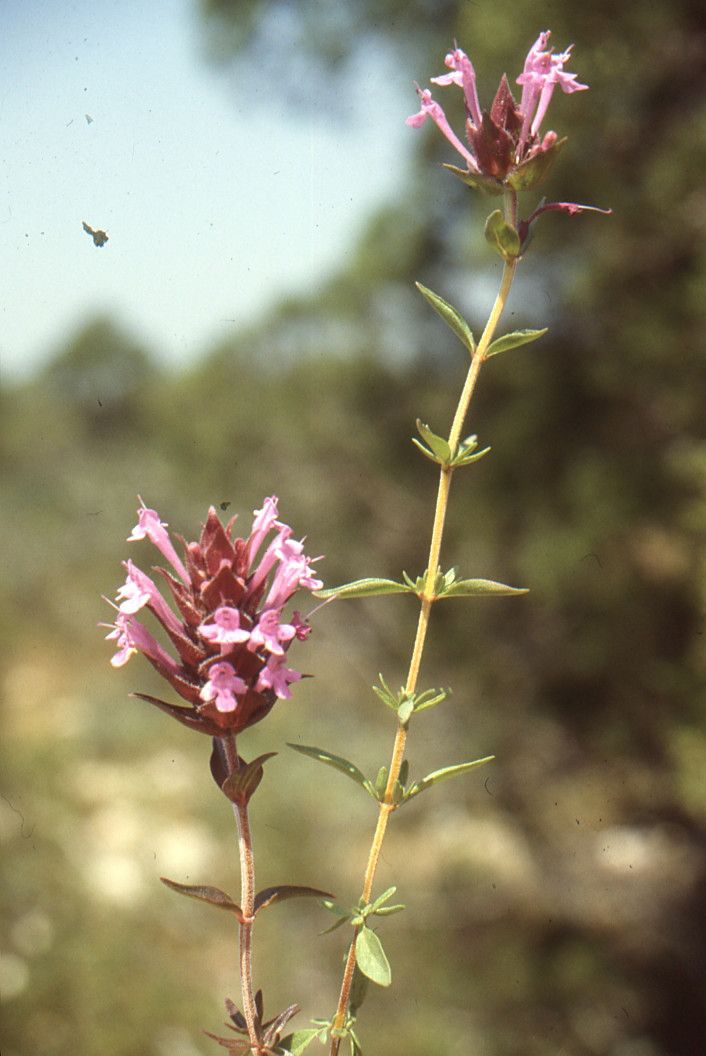
From Tiny Thyme Sprout to Aromatic Abundance: Propagating Thymus broussonetii
Thymus broussonetii, often called French Thyme or Lemon Thyme, is a prized herb renowned for its citrusy aroma and culinary versatility. If you’re lucky enough to have a thriving patch of this versatile plant, you might be wondering how to share its aromatic bounty. The good news is that propagating Thymus broussonetii is a simple and rewarding task, allowing you to easily create new plants for your own garden or to share with friends and family.
The Power of Propagation
Propagation, the process of creating new plants from existing ones, offers several advantages for gardeners:
- Cost-effective: Instead of purchasing new plants, you can easily create your own, saving money in the long run.
- Genetic consistency: Propagating from cuttings or divisions ensures that the new plants will maintain the exact characteristics of the parent plant, preserving its aroma, flavor, and growth habits.
- Increased plant diversity: You can easily grow numerous plants from a single parent, allowing for a wider range of culinary options in your garden.
Methods for Propagating Thymus broussonetii
There are two primary methods for propagating Thymus broussonetii:
1. Cuttings:
This is the most common and easiest method. It involves taking stem cuttings from a healthy, mature plant and encouraging them to root in a suitable growing medium.
- Timing: The best time to take cuttings is in late spring or early summer when the plant is actively growing.
- Selection: Choose healthy stems with several nodes (the points where leaves grow).
- Preparation: Take cuttings approximately 4-6 inches long, removing the leaves from the bottom inch or two.
- Rooting: Dip the cut ends of the cuttings in a rooting hormone powder or gel, then insert them into a mixture of potting soil and perlite. Keep the soil moist, but not soggy, and provide bright indirect light.
- Care: The cuttings should root in 4-6 weeks, and once rooted, they can be transplanted into individual pots or into the garden.
2. Division:
This method involves separating mature plants into smaller sections, each with roots and foliage.
- Timing: Division is best done in early spring or fall.
- Process: Gently dig up the parent plant and carefully separate the roots into smaller clumps.
- Planting: Plant the divisions in a well-prepared bed with good drainage and provide regular watering.
Tips for Success:
- Sterilization: Use clean tools and sterilize pots and trays to prevent diseases.
- Light: Provide cuttings and divisions with bright indirect light, avoiding direct sunlight.
- Moisture: Maintain a consistent level of moisture in the growing medium, but avoid overwatering.
- Patience: It can take several weeks to several months for cuttings to root. Be patient and provide consistent care.
Enjoying Your New Plants
Once your Thymus broussonetii cuttings or divisions have rooted, you can enjoy the benefits of your efforts. Plant them in your garden, in pots, or create a dedicated herb garden. They will reward you with their delicious fragrance and versatility in the kitchen.
Sharing the Joy
With a little care and patience, you can easily propagate Thymus broussonetii and share its aromatic delights with others. Gift rooted cuttings or divisions to friends and family, spreading the joy of this remarkable herb throughout your community.