
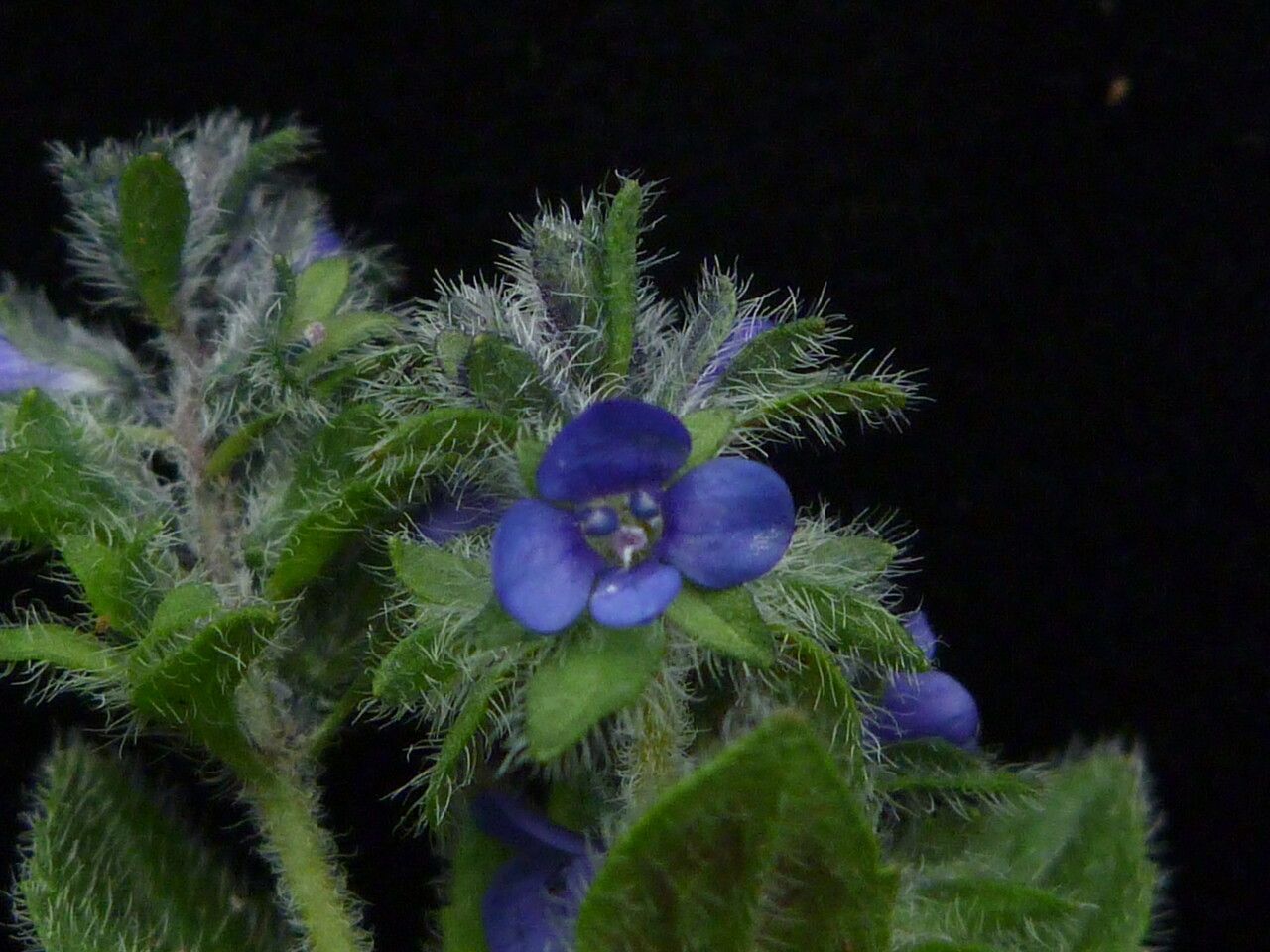
From One to Many: Propagating Veronica Ciliata (and Spreading the Beauty)
Veronica ciliata, also known as the blue speedwell, is a charming groundcover with delicate blue flowers that brighten up gardens throughout the spring and summer. Its low-maintenance nature and ability to attract pollinators make it a favorite among gardeners. But what if you want to multiply your Veronica ciliata and share its beauty with others, or simply fill a larger area with its cheerful blooms? Enter the world of propagation!
This guide explores the different methods of propagating Veronica ciliata, ensuring you can easily and successfully create new plants from existing ones.
1. Division – The Quick and Easy Method
For Veronica ciliata, division is the most common and successful method of propagation. This technique involves separating a mature plant into smaller divisions, each with its own root system. Here’s how:
- Timing: Spring or fall, when the plant is actively growing, are the ideal times for division.
- Preparation: Gently dig around the plant to loosen the roots.
- Separation: Use a sharp knife or trowel to divide the plant into smaller sections, ensuring each section has healthy roots and foliage.
- Planting: Plant the divisions in new pots or directly into the ground, spacing them according to the plant’s mature size.
2. Seed Propagation – For Patience and Variety
If you’re looking for a longer-term project or want to experiment with different varieties, seed propagation is an option. Here’s how:
- Harvesting Seeds: Collect seeds from mature Veronica ciliata plants after the flowers have gone to seed.
- Sowing: Sow the seeds in seed trays or directly into the ground in a sunny location.
- Germination: Veronica ciliata seeds require light to germinate, so don’t bury them too deeply. Keep the soil consistently moist but not waterlogged.
- Transplanting: Once the seedlings develop a few true leaves, prick them out into individual pots or transplant them to their permanent location.
3. Cuttings – A Reliable Option for Quick Growth
While less common for Veronica ciliata, stem cuttings can be a viable option for faster multiplication.
- Timing: Spring and summer are the optimal times for taking cuttings, as the plant is actively growing.
- Preparation: Select healthy, non-flowering stems and cut them just below a node (the point where a leaf or branch grows).
- Rooting Hormone: Dip the base of the cutting into rooting hormone to boost its chances of root development.
- Potting: Plant the cutting in a pot filled with a well-draining potting mix.
- Maintenance: Keep the soil moist and the cuttings in bright, indirect light. Rooting can take a few weeks to a couple of months.
Tips for Success
- Choose Healthy Plants: Always start by selecting healthy parent plants free of disease or pests.
- Watering and Drainage: Ensure adequate drainage in the garden or pots to prevent root rot.
- Light Requirements: Veronica ciliata thrives in full sun to partial shade.
- Fertilization: Regular fertilization during the growing season can promote healthy growth and abundant blooms.
Enjoy the Bounty
Propagated Veronica ciliata plants will bring joy to your garden and potentially your friends, providing new life and vibrant color. Experiment with different techniques, and enjoy spreading the beauty of Veronica ciliata far and wide!