
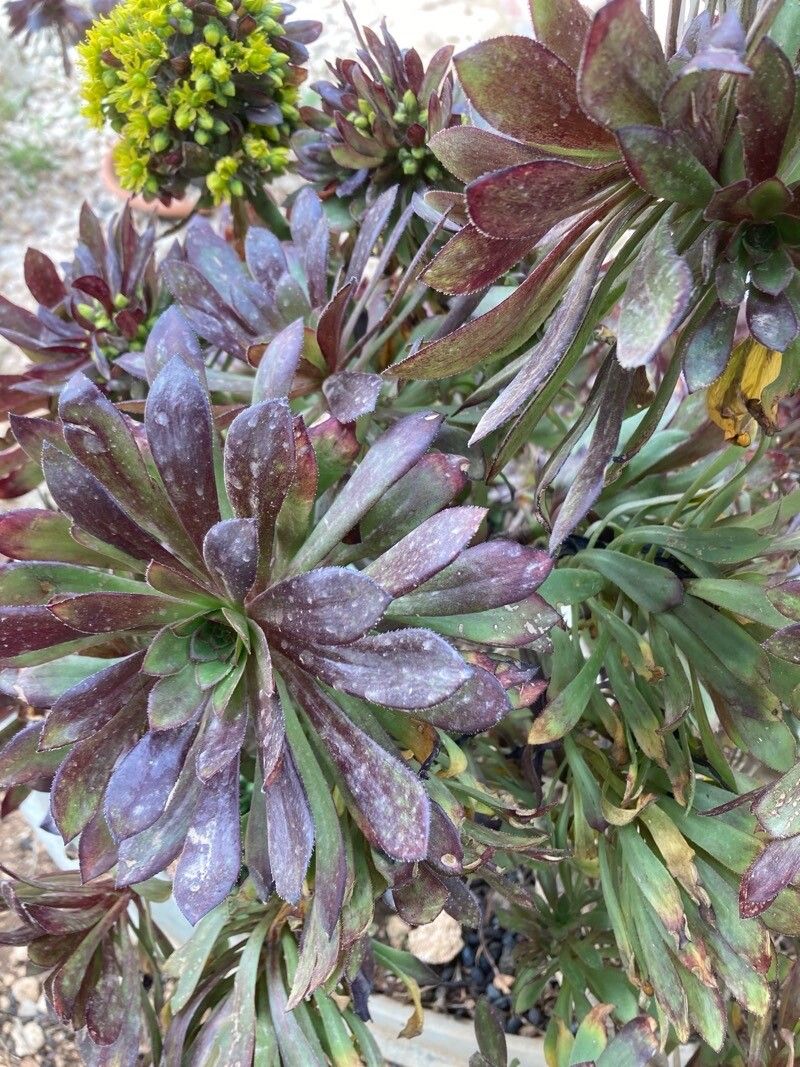
Unlocking the Secrets of “Black Pagoda” Propagation: Growing More Crassula Basaltica
Crassula basaltica, known for its striking black, columnar stems and succulent leaves, is a captivating plant often referred to as the “Black Pagoda.” But beyond its striking appearance, this intriguing succulent offers a rewarding experience for plant enthusiasts who want to grow more of these beauties. The good news is that propagating Crassula basaltica is fairly easy, making it a perfect project for beginners and seasoned plant parents alike.
Understanding the Techniques:
There are two main methods for propagating Crassula basaltica:
Leaf cuttings: This method involves taking individual leaves from the plant and encouraging them to develop roots. It’s a simple and reliable technique for beginners.
- Stem cuttings: This method requires taking a section of stem, typically with a few leaves attached, and rooting it. While slightly more involved, stem cuttings can provide faster and more vigorous growth.
Let’s dive into the details:
1. Leaf Cuttings
- Step 1: Prepare your cuttings: Carefully select healthy leaves from the plant. Using a sharp knife or pair of scissors, cut the leaves as close to the stem as possible, ensuring a clean, smooth cut.
- Step 2: Let the cuttings dry: Allow the cut end of the leaves to dry for a few days in a cool, dry place. This step encourages callus formation, which will help prevent rot during rooting.
- Step 3: Choose your rooting medium: You can use a well-draining potting mix, perlite, or even a mixture of both.
- Step 4: Plant the cuttings: Insert the dried end of each leaf into the rooting medium. Gently press them in to ensure good contact.
- Step 5: Provide adequate care: Place the pot in a bright, indirect light location. Mist the rooting medium regularly to maintain moisture, but avoid overwatering. Keep the soil slightly moist, not soggy.
- Step 6: Be patient: Roots can take anywhere from a few weeks to a couple of months to develop. Keep checking the cuttings for signs of new growth, indicating successful rooting. Once you notice these signs, you can slowly acclimate the new plants to more sunlight.
2. Stem Cuttings
- Step 1: Take your cuttings: Choose a healthy stem from your Crassula basaltica. Use a sharp knife or scissors to cut the stem into sections of about 3-4 inches, making sure you have at least two leaf nodes on each section.
- Step 2: Remove the bottom leaves: Remove the leaves from the bottom 1-2 inches of each cutting to encourage root development.
- Step 3: Callus formation: Allow the cuttings to dry for a day or two in a cool, dry place to promote callus formation.
- Step 4: Root the cuttings: Insert the calloused end of each stem cutting into a well-draining potting mix, ensuring good contact.
- Step 5: Provide optimal conditions: Maintain a bright, indirect light location, but avoid direct sunlight. Keep the soil consistently moist by watering regularly and avoid overwatering.
- Step 6: Monitor progress: Watch for signs of new growth, indicating that the cuttings have rooted.
A Final Word:
Propagating Crassula basaltica is a rewarding venture, allowing you to expand your collection and share the beauty of this unique succulent. Whether you choose leaf or stem cuttings, remember to be patient, consistent, and attentive to the needs of your cuttings. With a little patience, you’ll soon have a thriving collection of the striking “Black Pagodas”.