
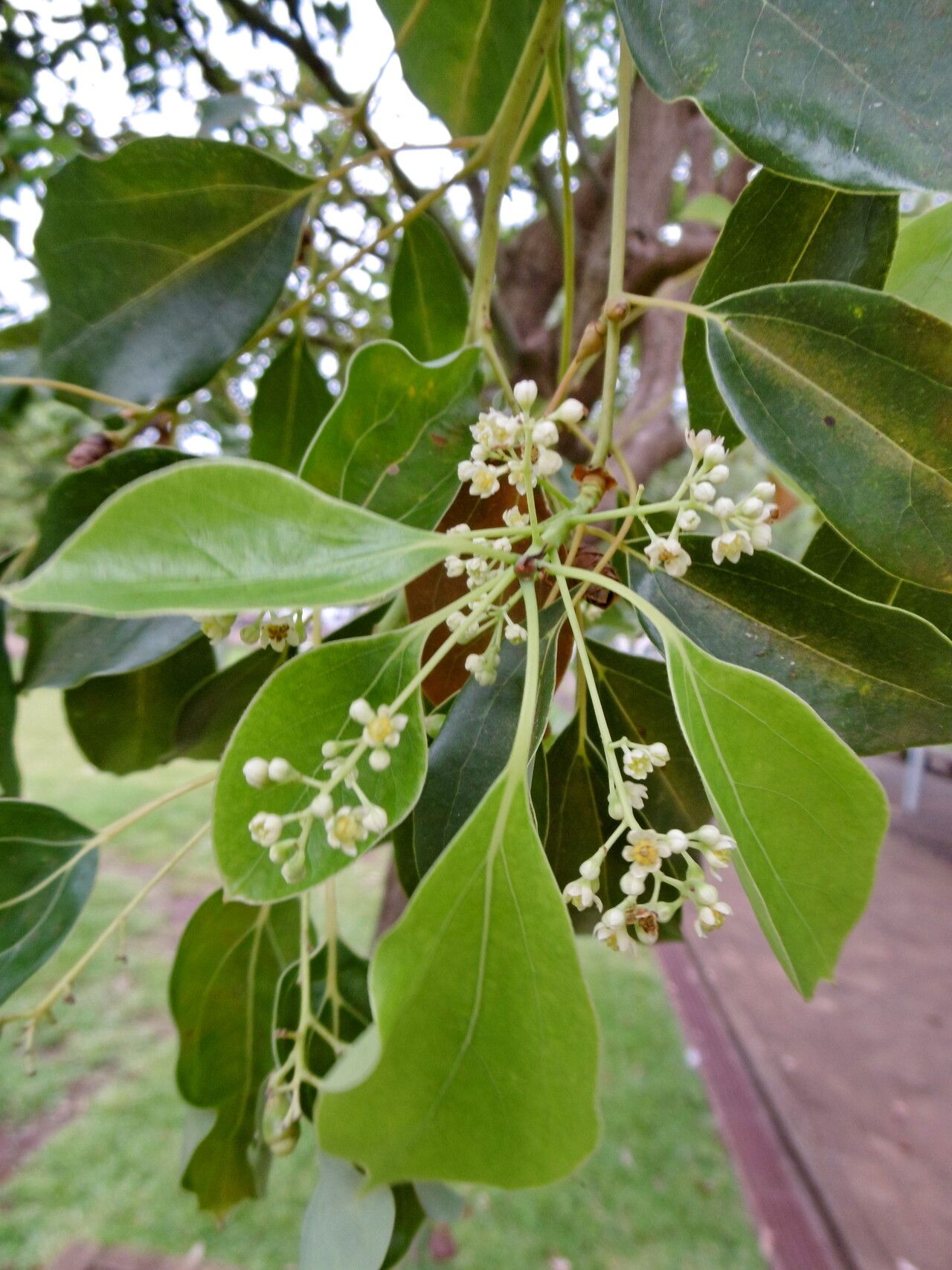
From Branch to Beauty: Propagating Your Own Camphor Trees
Have you ever been captivated by the mesmerizing scent of camphor, a fragrance that evokes memories of traditional remedies and calming incense? The source of this unique aroma is Cinnamomum camphora, a beautiful evergreen tree that’s not only fragrant but also boasts stunning foliage and a fascinating history.
While the idea of growing your own camphor tree might seem daunting, it’s surprisingly achievable through propagation.
The Two Main Methods
There are two primary ways to propagate Cinnamomum camphora:
1. From Seed:
- Seed collection: Gather ripe camphor berries in autumn. They’re usually dark, almost black, and resemble small berries.
- Preparation: Extract the seeds from the berries, but be careful! Camphor seeds have a tough outer coating that needs to be scarified before germination. This can be done by nicking the seed coat with a sharp knife or soaking them in hot water (around 180°F) for 30 minutes.
- Sowing: Plant the seeds in a well-drained seed starting mix. Keep the soil moist and provide a warm environment.
- Germination: Camphor seeds can take several weeks to germinate, sometimes even months, so patience is key.
2. From Cuttings:
- Cutting selection: In late summer or early fall, select healthy, semi-hardwood cuttings that are about 6-8 inches long. Make a clean cut below a leaf node.
- Preparation: Remove leaves from the bottom inch or two of the cutting and dip the cut end in rooting hormone.
- Planting: Place the cuttings in a well-drained potting mix in a container with drainage holes. Keep the mixture consistently moist.
- Rooting: It can take several months for cuttings to root, and providing a humid environment with a propagator dome can help encourage root development.
Tips for Success
Regardless of the method you choose, here are some essential tips to increase your chances of success:
- Light: Camphor trees prefer bright, indirect light. Avoid direct sunlight, especially during the hottest part of the day.
- Temperature: Camphor trees thrive in warm temperatures. Aim for a temperature between 70-80°F.
- Water: Keep the soil moist but not soggy. Allow the top inch of soil to dry out slightly before watering again.
- Fertilizer: When the seedlings or cuttings have established roots, you can begin fertilizing them with a balanced liquid fertilizer.
- Patience: Propagation can take time, so don’t be discouraged if you don’t see results immediately.
Beyond the Basics: Why Propagate?
Growing your own camphor tree offers more than just the satisfaction of nurturing life. It’s a rewarding journey that connects you with the plant’s unique history and offers exciting possibilities:
- Cultivating a living legacy: Camphor trees are known for their longevity, meaning you can create a living testament to your passion for plants that can be enjoyed for generations to come.
- Sharing the scent: Camphor trees hold sentimental value as a source of traditional remedies and aromatic compounds. By propagating your own, you can share this treasure with friends and family.
- Ecological benefits: The fragrant camphor oil extracted from the tree can be used to create a natural insect repellent, contributing to eco-friendly pest control.
From its calming scent to its stunning foliage, the camphor tree holds a charm that’s waiting to be discovered. With patience and a little care, you can propagate your own piece of this natural wonder and create a legacy that will last for years to come.