
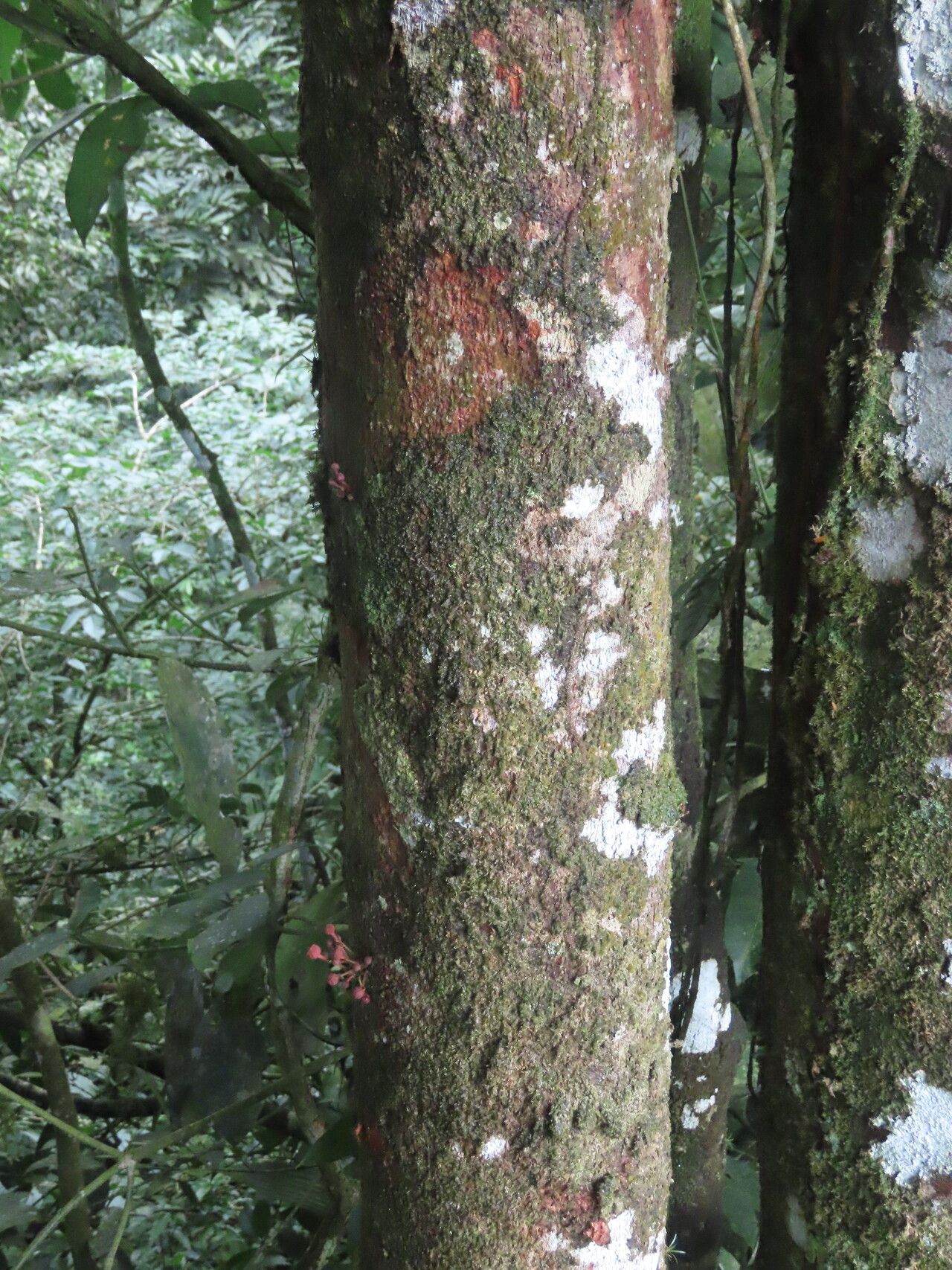
Unlocking the Secrets of Monkey Chocolate: Propagating Theobroma simiarum
Have you ever heard of “monkey chocolate”? Theobroma simiarum, a close relative of the cacao tree, has earned this playful nickname due to its delicious, chocolate-like fruit that’s a favorite among, you guessed it, monkeys. But what about humans? Can we cultivate this intriguing tree and enjoy its unique offerings? The answer lies in understanding the art of propagation.
Theobroma simiarum is a tropical beauty, hailing from the rainforests of Central and South America. Its propagation is a rewarding process, requiring patience and a certain level of understanding about its specific needs. Here’s a detailed guide to help you succeed:
1. Seeds: The Beginning of a New Tree
The most common method of propagation for Theobroma simiarum is through seeds. These are readily available from reputable sources or, if you’re lucky, you may even obtain them from freshly collected fruit.
- Harvesting Seeds: When the fruit ripens, it turns yellow and becomes soft to the touch. Gently remove the pulp and extract the seeds. These are often surrounded by a white, sticky substance, which should be washed off.
- Preparation: Once cleaned, place the seeds in a well-draining potting mix. They need warmth and moisture to germinate, so ensure the mix is kept consistently moist but not waterlogged.
- Germination: Theobroma simiarum seeds are known for their slow germination rate. This can take anywhere from a few weeks to several months! Patience is key.
2. Cuttings: A Faster Alternative
For those who prefer a quicker route, stem cuttings offer an alternative propagation method.
- Choosing Cuttings: Opt for healthy stems with at least two nodes (where leaves grow). Cuttings should be about 6-8 inches long.
- Preparation: Dip the cut end in rooting hormone to promote root development. Plant the cuttings in a well-draining potting mix, keeping the nodes above the soil line.
- Environment: Provide a warm, humid environment for your cuttings. This can be achieved by using a propagator or covering the pot with a clear plastic bag.
3. Grafting: Combining the Best of Both Worlds
Grafting is a technique that combines the hardiness of a rootstock with the desired traits of a scion (a cutting).
- Rootstock: Choose a strong and vigorous rootstock, preferably Theobroma simiarum itself.
- Scion: Select a cutting from a high-yielding or disease-resistant variety of Theobroma simiarum.
- Grafting Process: This involves carefully attaching the scion to the rootstock, ensuring a tight fit. Various grafting methods exist, such as cleft grafting or whip grafting.
4. Essential Care for Your New Tree
Regardless of your chosen propagation method, providing proper care is crucial:
- Sunlight: Theobroma simiarum thrives in bright, indirect sunlight.
- Watering: Keep the soil moist but not soggy. Overwatering can lead to root rot.
- Fertilizer: Regularly use a balanced fertilizer, especially during the growing season.
5. The Reward: Monkey Chocolate
Once your Theobroma simiarum tree matures, you can indulge in the fruits of your labor. The fruits are typically smaller than cacao pods and have a distinctive, chocolatey flavor with a touch of citrus. They’re said to be more tart than sweeter, often enjoyed in the form of drinks, jellies, or even chocolate bars.
Exploring Beyond the “Monkey Chocolate”
Theobroma simiarum isn’t just about the tasty treats it offers. This fascinating tree is a valuable component of biodiversity and a testament to the wonders of nature. Propagating it is a rewarding journey, one that allows you to connect with this unique species and share its beauty with others. So, why not embark on your own propagation adventure and unlock the secrets of monkey chocolate?