
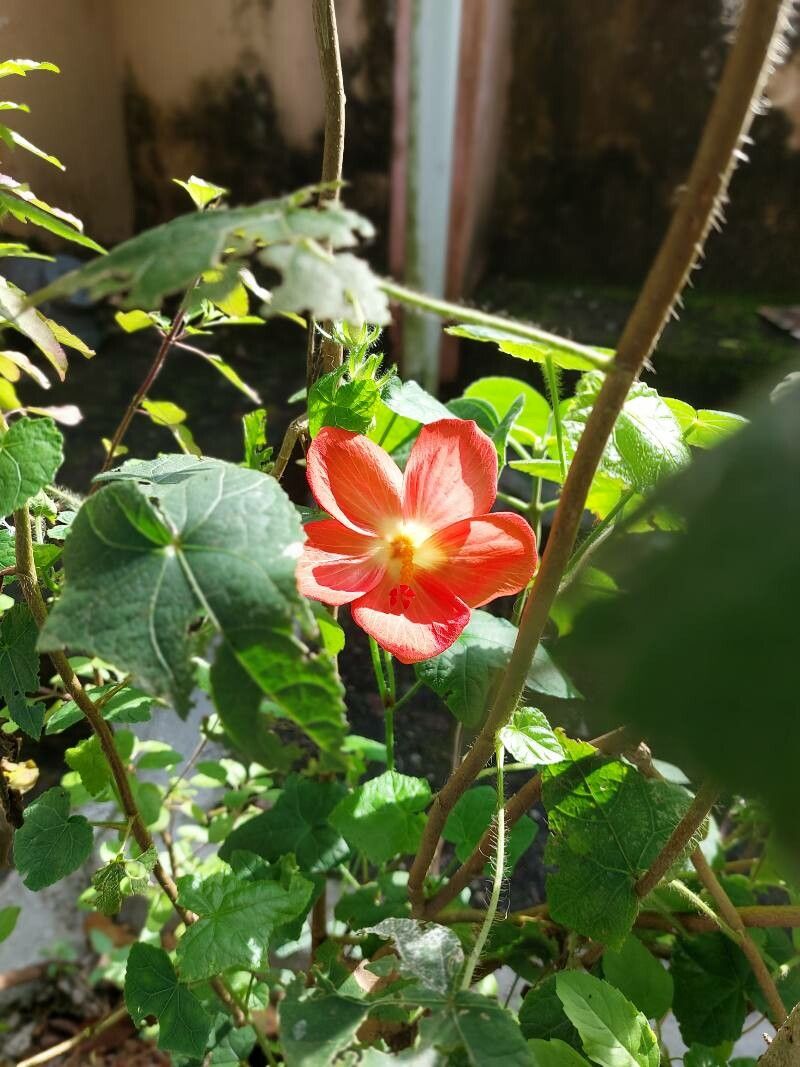
Unleash Your Inner Green Thumb: Propagating the Vibrant Hibiscus Martianus
The Hibiscus martianus, with its bold, vibrant flowers and sturdy, lush foliage, is a rewarding addition to any garden. And the best part? It’s surprisingly easy to propagate! Whether you’re looking to expand your own collection or share the beauty with friends, mastering the art of propagation is a fulfilling and cost-effective way to grow your Hibiscus martianus family.
Why Propagate?
Propagating Hibiscus martianus allows you to create new plants from existing ones, ensuring a continuation of the unique traits and beauty of your original plant. Not only does it save you money on purchasing new plants, but it also offers the satisfaction of nurturing life from a small cutting.
Methods of Propagation:
Hibiscus martianus can be propagated through two main methods:
Cuttings: This is the most common and reliable method, particularly for hobby gardeners.
- Seed: While possible, seed propagation takes longer and doesn’t guarantee the exact same characteristics as the parent plant.
Cuttings: A Step-by-Step Guide
Choose the Right Cutting: Select a healthy, non-flowering stem with at least 4-6 nodes (the bumps where leaves grow). Use a sharp, clean knife or pruning shears to make a clean cut just below a node.
Prepare the Cutting: Remove the leaves from the bottom 2-3 nodes, leaving a few leaves at the top for photosynthesis. This helps the cutting conserve energy for root development.
Encourage Root Development: Dip the cut end in rooting hormone powder, which stimulates root growth. This step is optional but beneficial for faster and stronger roots.
Planting Time: Potting mix is ideal for rooting cuttings but not too dense. Create a small hole, insert the cutting, and gently tamp down the soil around it.
Care and Maintenance: Water the cutting regularly and keep it in a warm, humid environment, preferably with indirect sunlight. Avoid direct sunlight, as it can dehydrate the cutting. You can also use a humidity dome or plastic bag to help retain moisture.
- Patience and Success: Root development can take several weeks to a few months depending on the environmental conditions and the type of rooting hormone used. Keep checking for new growth, which signals successful rooting.
Tips for Success:
- Timing is Key: Spring is a good time for propagation as the plant is actively growing.
- Sterilize Tools: This prevents the spread of diseases.
- Mist Regularly: Maintaining high humidity helps the cuttings retain moisture.
Seed Propagation:
While less common, seed propagation is also an option, particularly if you would like to experiment with different Hibiscus martianus varieties. Collect seed pods from your existing plant, allow them to dry completely, and sow the seeds in well-draining potting mix. Keep the soil moist, and place the pot in a warm, sunny spot. Seedlings usually emerge within a few weeks.
Conclusion:
Propagating your own Hibiscus martianus is a rewarding experience that allows you to enjoy the beauty of this tropical plant while expanding your gardening skills. Whether you choose to propagate through cuttings or seeds, remember to be patient and provide the optimal environment for your new plants to thrive. With a little care and attention, you’ll soon be enjoying the vibrant blooms of your own propagated Hibiscus martianus plants!