
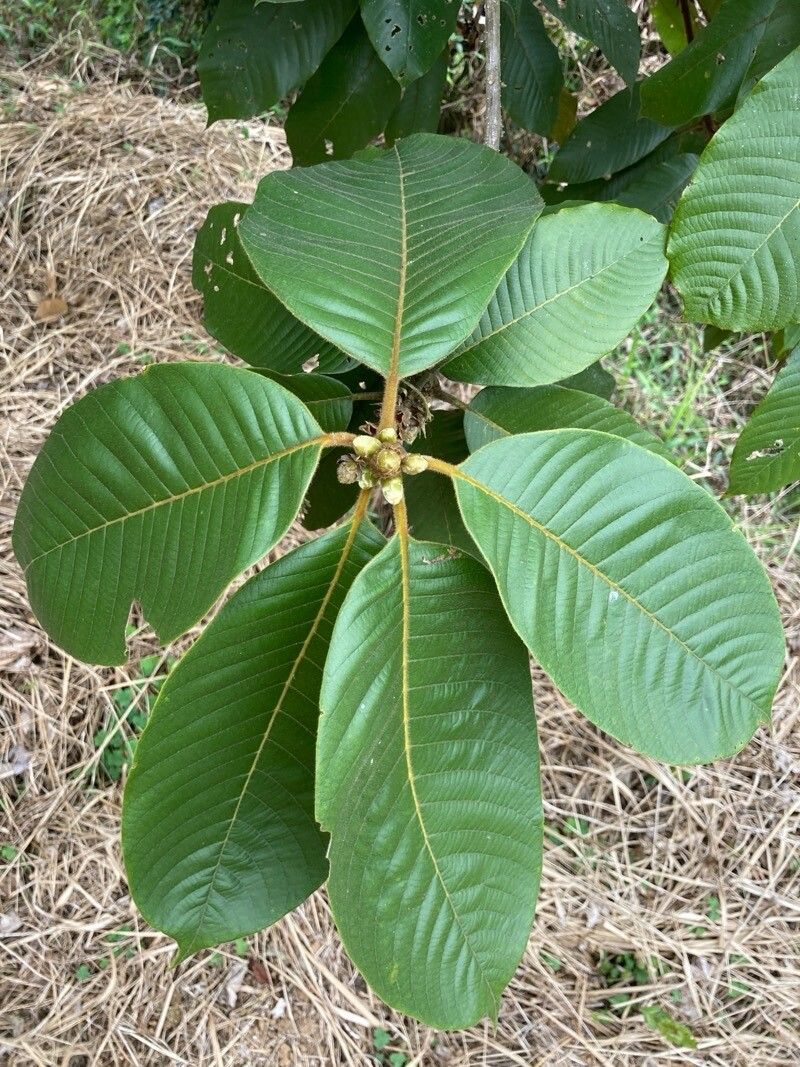
Unlocking the Secrets of Lithocarpus pachylepis Propagation: Growing Your Own Majestic Oak
Lithocarpus pachylepis, with its striking, dark green foliage and acorn-laden branches, is a captivating sight. Its majestic presence adds a touch of elegance and grandeur to any landscape. But did you know that you can cultivate your own specimen of this beautiful evergreen oak? The secret lies in understanding the art of propagation.
While Lithocarpus pachylepis isn’t the easiest plant to propagate, there are methods that offer a reasonable chance of success. Here’s a comprehensive guide for budding gardeners looking to grow this unique tree:
1. Seeds: A Journey from Acorn to Sapling
The most common method for propagating Lithocarpus pachylepis is through seeds – those tempting acorns!
a. Sourcing the Seeds: Gather mature acorns that have fallen naturally from the tree. Look for plump, healthy acorns without any signs of damage or insect infestation.
b. Pre-Treatment: Before planting, the acorns require a period of cold stratification. This mimics the natural process of winter dormancy and encourages germination. Place the acorns in a moist, cool environment (between 35-45°F) for approximately 3-6 months. You can use a refrigerator or a cold frame for this purpose.
c. Planting: After stratification, sow the acorns in a seeding tray filled with well-draining potting mixture. Sow them about an inch deep and keep the soil consistently moist.
d. Patience is Key: Germination can be slow, taking 3-6 months or even longer. Be patient and keep the seedlings well-watered and protected from direct sunlight.
2. Cuttings: A Rapid Route to Success
While less tried-and-true, propagation via cuttings is an option for faster results.
a. Timing is Crucial: Choose semi-hardwood cuttings from new growth in the spring after the plant has flushed out.
b. Preparation: Cuttings should be 4-6 inches long, taken from the tip of a branch. Remove the lower leaves and make a clean cut just below a node (where leaves grow).
c. Hormone Boost: To encourage rooting, dip the cut end of the cutting in rooting hormone powder.
d. Planting the Cuttings: Insert the cuttings into a rooting media like perlite or a mixture of perlite and vermiculite. Maintain high humidity with a clear plastic dome or bag.
e. Nurturing Growth: Keep the cuttings in a warm, bright location but out of direct sunlight. Keep the rooting media moist and monitor for root growth.
3. Essential Tips for Successful Propagation:
- Use sterile tools: To minimize the risk of disease, sterilize your tools by wiping them down with a bleach solution before and after use.
- Ensure proper drainage: Lithocarpus pachylepis prefers well-draining soil. Choose a pot with good drainage holes and use a soil mix that allows excess water to drain away.
- Patience is Virtuous: It can take several months, or even years, for Lithocarpus pachylepis to reach a substantial size. Don’t get discouraged; persevere, and your commitment will be rewarded with a magnificent addition to your landscape.
By understanding these propagation techniques, you can embark on a rewarding journey to grow your own Lithocarpus pachylepis. You’ll witness the transformative power of patience and a dedication to nurturing life from seeds or cuttings. With careful attention and consistent care, your own magnificent oak will soon grace your garden with timeless beauty and grandeur.