
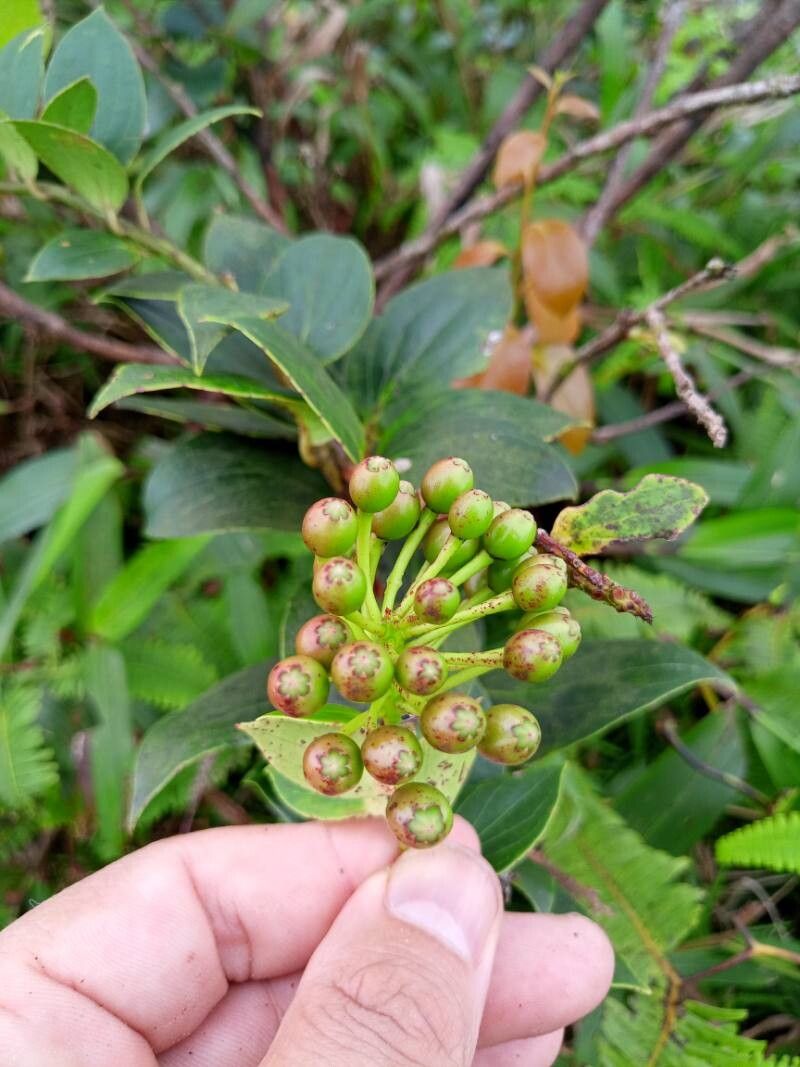
From One to Many: Propagating the Delectable Deerberry (Vaccinium racemosum)
The Deerberry (Vaccinium racemosum), with its clusters of sweet, blueberry-like fruits, is a delightful addition to any garden. But did you know that you can easily share its beauty and bounty by propagating your own plants? This versatile shrub offers several propagation methods, each with its own advantages and considerations. Let’s explore the ways to expand your Deerberry collection:
1. The Softwood Cutting Method:
This technique is best done in the springtime when new growth is tender and pliable.
- Select your cuttings: Choose healthy, non-flowering stems with new growth. Snip off 4-6 inches of the tip, ensuring each cutting has at least 3-4 leaf nodes.
- Prepare the cuttings: Remove the lower leaves from the cutting, leaving the top 2-3 leaves intact. Lightly score the base of the cutting to encourage root development.
- Root the cuttings: Dip the base of the cutting in rooting hormone for added success. Pot the cutting in a well-draining potting mix, keeping the leaves above the soil line. Place the potted cutting in a humid environment, like a propagator or covered with a plastic dome.
- Maintain the right conditions: Consistent watering and bright, indirect sunlight are crucial for successful rooting. New roots should emerge in 6-8 weeks. Once the roots are established, you can gradually acclimate the young plant to outdoor conditions.
2. The Hardwood Cutting Method:
This method uses dormant wood from the previous year’s growth and is typically conducted in late winter or early spring.
- Harvest your cuttings: Collect mature, one-year-old stems that are about 6-8 inches long.
- Prepare the cuttings: Remove the leaves and prune any buds located at the bottom of the cutting. Dip the base in rooting hormone.
- Plant your cuttings: Insert the base of the cut in a well-draining potting mix, ensuring the top bud faces upwards. Place the cutting in a protected area with good drainage to prevent rot.
- Maintain the cuttings: Water regularly but avoid overwatering. A shaded location with sufficient moisture is essential for root development. New growth should emerge within a few months, signaling successful rooting.
3. The Layering Method:
This method is especially suitable for the Deerberry, as it’s known for its ability to root easily.
- Choose a healthy branch: Select a strong, pliable branch near the ground. Gently bend the branch downwards until it touches the soil.
- Anchor the branch: Make a small incision on the underside of the branch where it touches the soil. Pin the branch down to hold it in place. For best results, use a rooting hormone on the incision.
- Moisten the soil: Keep the soil consistently humid to encourage root development.
- Check for roots: After a few months, gently tug on the branch. If you feel resistance, new roots are forming. You can then separate the rooted portion from the mother plant.
4. The Division Method:
This method is best for established Deerberry plants that have multiple stems.
- Prepare the plant: Gently dig up the entire plant.
- Divide the plant: Use a sharp knife or pruning shears to separate the plant into individual sections, ensuring each section has healthy roots and stems.
- Plant the new sections: Prepare planting holes for each section and carefully place them in their new locations, ensuring adequate spacing.
Choosing the Best Method:
While all methods are effective, consider these factors when deciding which to use:
- Ease of use: Softwood cuttings are generally the simplest method.
- Time required: Hardwood cuttings typically take longer to root.
- Success rate: Layering tends to have the highest success rate.
- Plant size: Division is best for mature plants.
No matter which method you choose, propagating your Deerberry plants allows you to enjoy more of this delightful shrub’s beauty and tasty fruit. So, dust off your gardening gloves, and embrace the joy of growing new life from your existing plants!