
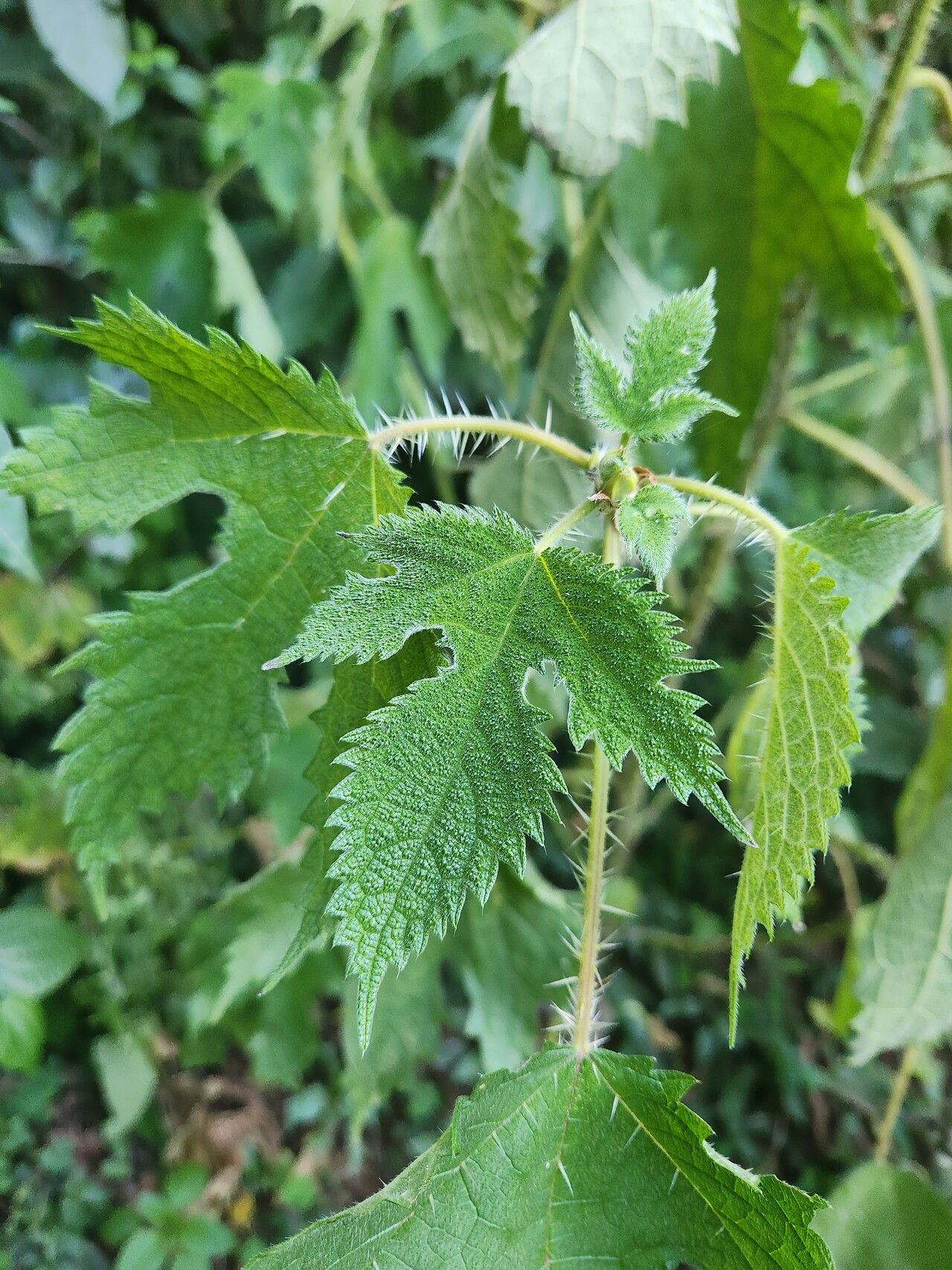
From Seed to Salad: Cultivating Your Own Girardinia Diversifolia (Nettle Spinach)
The vibrant green leaves of Girardinia diversifolia, more commonly known as nettle spinach, are a culinary delight. They boast a unique flavor profile, combining the peppery bite of spinach with the earthy notes of a nettle. But beyond its taste, this versatile plant offers a wealth of health benefits and is incredibly easy to grow.
And the best part? You can easily propagate your own nettle spinach, ensuring a continuous supply of fresh, healthy leaves. This guide explores the two most reliable methods: seed propagation and cuttings.
Starting from Seed
This method offers the advantage of starting from scratch and witnessing the growth of your nettle spinach from tiny seedlings to lush, mature plants. Here’s what you’ll need:
- Nettle spinach seeds: You can purchase these online or at local nurseries.
- Seed starting mix: A lightweight mix designed for seedlings will provide optimal drainage and nutrients.
- Seed trays or pots: Choose trays with drainage holes or individual pots for each seed.
- Grow light: For ideal germination, seedlings require ample light. A grow light can provide the necessary warmth and illumination.
The Process:
- Preparation: Fill your seed trays or pots with the seed starting mix, leaving approximately ¼ inch of space at the top. Gently dampen the mix, ensuring even moisture.
- Sowing: Place one or two seeds per cell or pot, gently pressing them into the mix. Do not bury them too deeply – a light dusting of soil is sufficient.
- Watering: Mist the seeds with water, using a spray bottle to avoid dislodging them.
- Light and Temperature: Place your seed tray under a grow light, maintaining a consistent temperature of around 70-75°F.
- Germination: After a few weeks, you should see tiny seedlings appear. Aim for a moist but not soggy soil environment. Continue to provide adequate light and warmth.
- Transplanting: Once the seedlings have developed a few true leaves, you can transplant them into larger pots or directly into your garden bed. Ensure the soil is well-draining and amend it with compost for added nutrients.
Growing Nettle Spinach from Cuttings
This technique utilizes the natural regenerative capabilities of the plant, allowing you to quickly expand your nettle spinach patch. Here’s how it works:
- Choosing Cuttings: Select healthy, non-flowering stems from your existing nettle spinach plant. Aim for cuttings around 4-6 inches long, with at least 3-4 nodes (the bumps where leaves emerge).
- Preparation: Remove the leaves at the bottom 1-2 inches of the cutting, leaving the buds intact. This area will be where the roots develop.
- Dipping: Optional, but recommended for quicker rooting: Dip the exposed bottom end of the cutting into rooting hormone powder or solution. This promotes root growth.
- Planting: Place the cuttings in a pot filled with a quality potting mix. Ensure the bottom 2-3 inches of the cutting is buried in the soil. Gently firm the soil around the base of the cuttings.
- Watering: Water generously after planting to keep the soil moist.
- Environment: Place the cuttings in a bright, indirect light location, maintaining a humid environment. You can cover the pot with a transparent plastic dome or bag to create a mini-greenhouse effect.
- Rooting: Within a few weeks, you should see signs of new growth, indicating successful root development.
Tips for Success
- Light & Water: Nettle Spinach thrives in partial to full shade and requires consistent moisture. Water regularly, especially during hot and dry periods.
- Soil: Well-draining soil enriched with compost provides optimal conditions for growth.
- Harvesting: Harvest leaves when they have reached a desirable size. Pinch off the top growing point to encourage bushy growth, and pinch any flowers emerging to direct energy to leaf production.
- Pest Control: Nettle spinach is naturally quite resilient to pests. However, keep an eye out for aphids and other common garden insects.
Conclusion
Growing your own nettle spinach is a rewarding and simple undertaking. Whether you choose to start from seeds or cuttings, this guide empowers you to cultivate this delicious and nutrient-rich plant, offering a bounty of fresh, flavorful leaves for salads, smoothies, and culinary creations. So, grab some seeds or cuttings, and embark on your journey to homegrown nettle spinach success!