
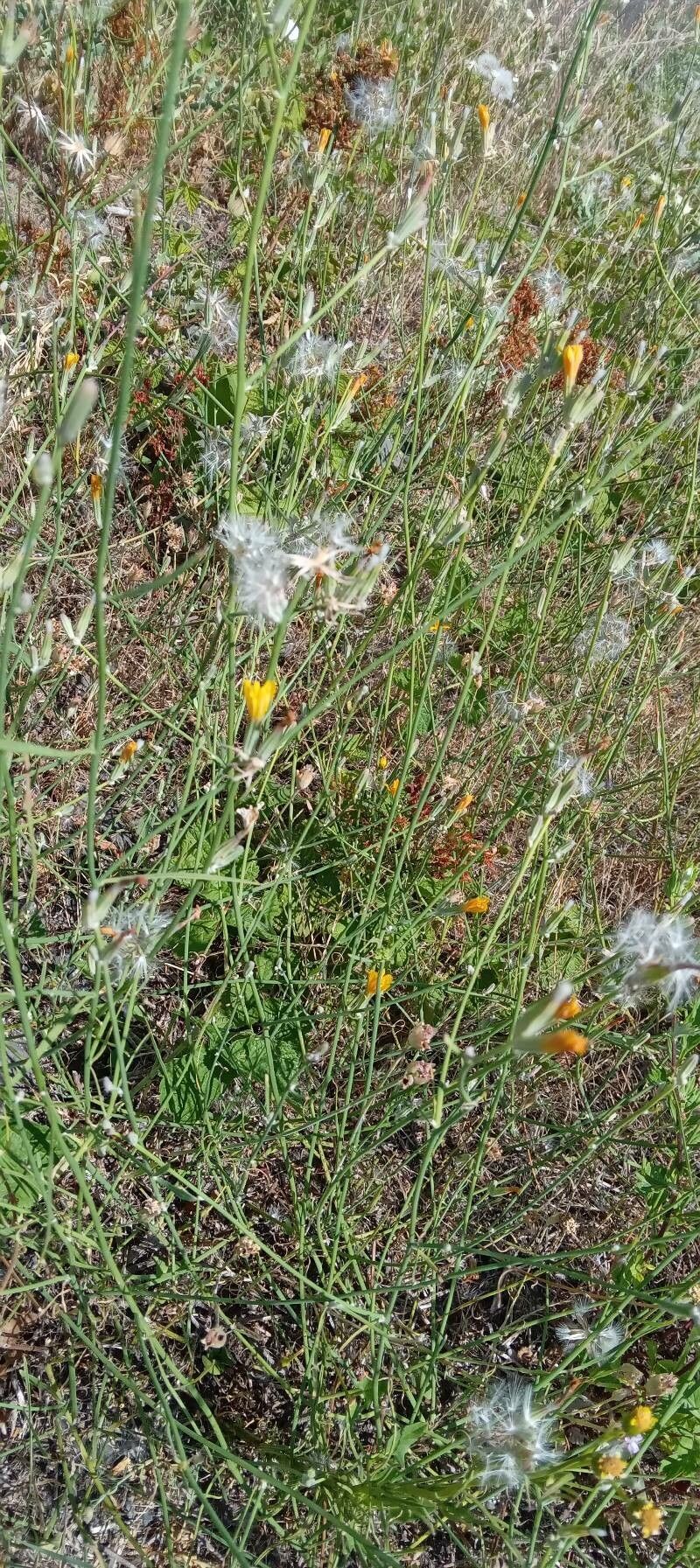
Don’t Let It Spread: Understanding the Propagation of Rush Skeletonweed (Chondrilla juncea)
Rush skeletonweed (Chondrilla juncea), also known as “skeletonweed” or “devil’s grass,” is a highly invasive plant that can quickly take over pastures, fields, and disturbed areas. While its delicate, feathery foliage may appear harmless, it poses a serious threat to native ecosystems and agricultural productivity. Understanding how this weed propagates is key to controlling its spread and protecting your land.
The Power of Seeds:
Rush skeletonweed primarily spreads through its prolific seed production. Each plant can produce thousands of tiny seeds, which are easily dispersed by wind, water, and even animals. These seeds can remain viable in the soil for several years, making eradication a challenging task.
A Root System Built for Resilience:
This weed also possesses a remarkably resilient root system. It’s not just about the taproot, which can reach depths of over 6 feet, but also the extensive lateral roots that spread horizontally. These underground networks allow the plants to access water and nutrients efficiently, making them incredibly difficult to pull up by hand.
A Tale of Two Strategies:
Rush skeletonweed employs two distinct strategies for reproduction:
- Sexual Reproduction: The plant produces numerous yellow, daisy-like flowers that eventually give rise to the seed-filled capsules. These seeds contribute to the rapid spread of the weed over large areas.
- Vegetative Reproduction: The plant’s extensive root system also allows it to reproduce asexually. Broken root fragments can develop into new plants, effectively creating clones.
The Importance of Prevention:
The most effective approach to managing rush skeletonweed is to prevent its introduction and spread in the first place.
- Early Detection: Regularly inspect your property for signs of this invasive plant, including its slender, branching stems and feathery leaves.
- Control Measures: If you find rush skeletonweed on your property, act quickly to prevent it from spreading. Herbicides, mowing, and tilling can help reduce its population, but they are not always effective alone.
- Quarantine: Implement strict quarantine measures for any equipment or vehicles that may have come into contact with infested areas.
In Conclusion:
Rush skeletonweed’s ability to spread through both seed and vegetative reproduction makes it a formidable adversary. Early detection, preventive measures, and targeted control strategies are crucial for protecting your land and preserving the biodiversity of our natural ecosystems. Remember, this invasive plant is not just a pesky weed; it poses a significant threat to agricultural productivity and natural habitats. By understanding how it propagates we can effectively manage and contain its spread.