
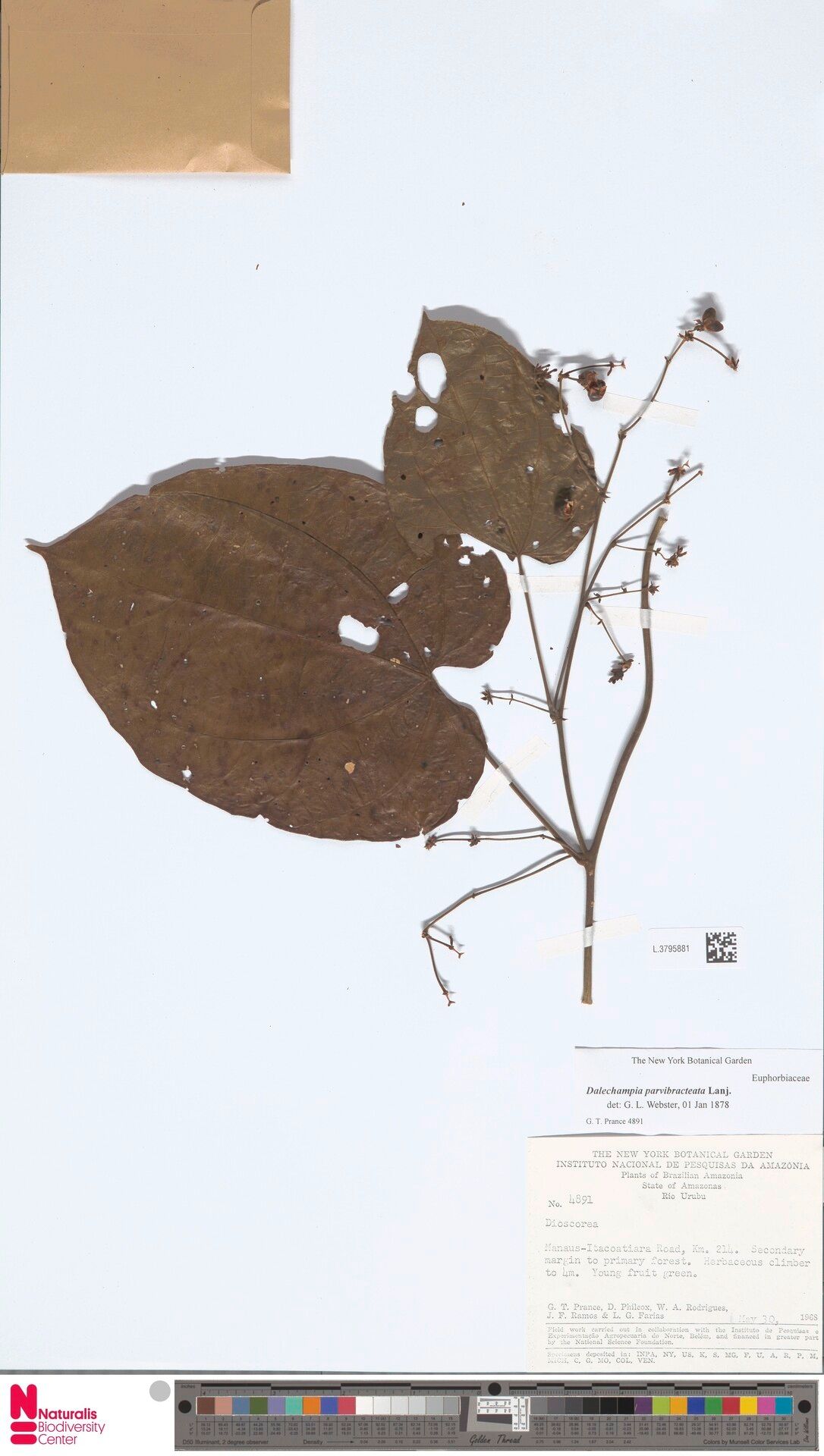
Unlocking the Secrets to Propagating “The Tiny Dancer”: A Guide to Dalechampia parvibracteata
If you’re searching for a plant with stunning, intricate foliage and a touch of tropical flair, look no further than Dalechampia parvibracteata, often affectionately nicknamed “The Tiny Dancer” for its delicate, dancing flower bracts.
This vibrant, relatively easy-to-care-for vine is a popular choice for indoor gardeners and plant enthusiasts alike, but its captivating charm extends far beyond its appearance. Dalechampia parvibracteata can also be readily propagated, allowing you to share its beauty with others or expand your own botanical collection.
The Power of Propagation
Propagation, simply put, is the process of creating new plants from existing ones. For Dalechampia parvibracteata, we’ll focus on two main methods: stem cuttings and air layering.
Stem Cuttings: A Simple and Effective Method
Stem cuttings are one of the easiest ways to propagate this plant. Here’s how to get started:
Select Healthy Stems: Choose a mature, non-flowering stem with several nodes (the small bumps where leaves sprout).
Make the Cut: Use clean, sharp pruning shears to cut a 4-6 inch section of stem just below a node.
Remove Leaves: Remove the lower leaves on the stem, leaving a few at the top for photosynthesis. Dipping the cut end in rooting hormone is optional, but it can encourage faster root development.
Planting the Cuttings: Fill a small pot with a loose, well-draining potting mix. Make a hole in the mix and insert the cut end of the stem. Gently firm the mix around the stem.
Moisture and Light: Water the cutting thoroughly and place it in a warm, bright location, but avoid direct sunlight. Cover the pot with a plastic bag or humidity dome to create a humid environment, crucial for developing roots.
- Patience is Key: With patience, you’ll see tiny new roots emerge in a few weeks to a couple of months. When the new growth is several inches tall and seems firmly rooted, you can gradually acclimate the new plant to its permanent location.
Air Layering: Taking the Long Route
Air layering, while slightly more intricate, is another rewarding propagation method for Dalechampia parvibracteata.
Choose a Stem: Select a mature, healthy stem with good growth.
Prep the Stem: Gently scrape away a section of bark about 1 inch wide on the stem. Make sure to remove the bark only, not the underlying stem tissue.
Wrap and Maintain: Apply rooting hormone powder to the exposed area and wrap it with damp sphagnum moss. Secure the moss with plastic wrap or foil, ensuring it stays moist.
Waiting Game: This method requires more patience. After several weeks, you should see roots growing into the moss.
- Cutting and Planting: When the roots are substantial, carefully cut the stem just below the air layer and remove the wrapping. Plant the new plant in a pot with fresh potting mix and care for it as usual.
Essential Tips for Success
- Don’t Overwater: Allow the soil to dry slightly between waterings to prevent root rot.
- Bright, Indirect Light: Dalechampia parvibracteata prefers bright, indirect light but should be protected from direct sunlight, which can scorch leaves.
- Humid Environment: As a tropical plant, Dalechampia parvibracteata thrives in moderately humid conditions.
- Regular Misting: Misting the foliage regularly can also contribute to optimal growth.
- Fertilizer: Use a balanced liquid fertilizer diluted to half-strength during the growing season.
With a little patience and dedication, you can unlock the secrets to propagating Dalechampia parvibracteata and enjoy the thrill of witnessing new life emerge from your own successful efforts. Now, go forth and spread the charm of “The Tiny Dancer.”