
From Cutting to Crown: Propagating the Fragrant Tabernaemontana laeta
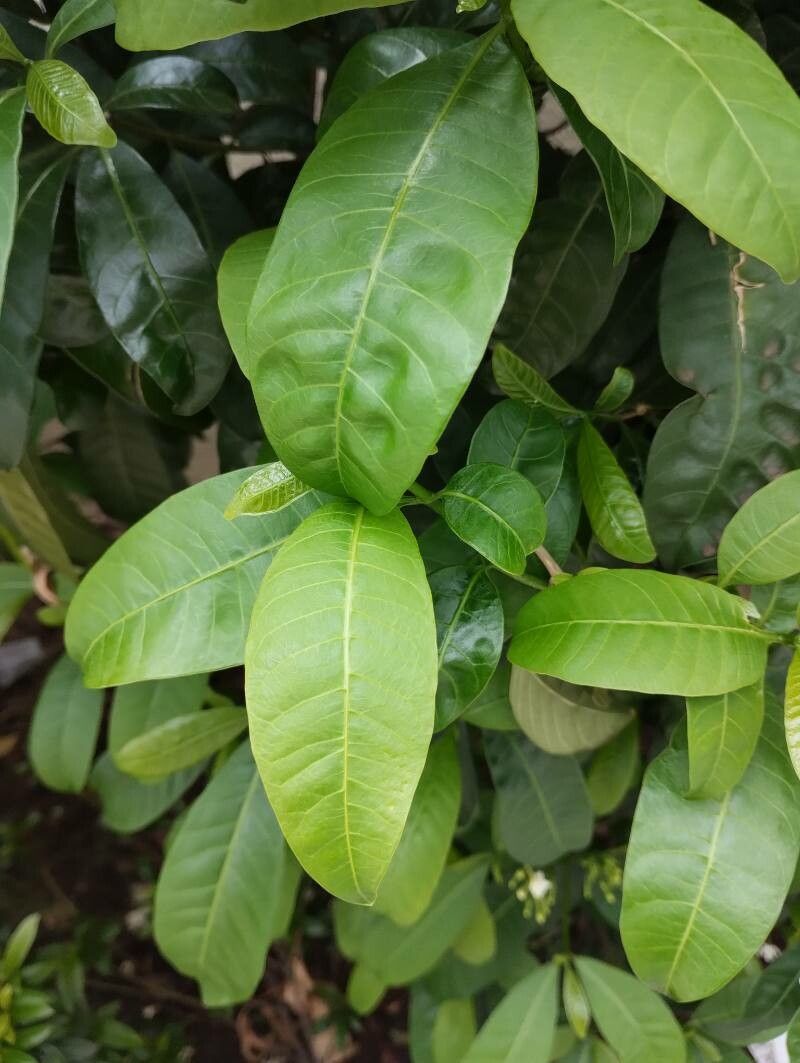
The Tabernaemontana laeta, also known as the “Milk Bush” or “Jungle Geranium,” is a tropical beauty that adds a touch of lushness and fragrance to any space. Its glossy, evergreen leaves and clusters of delicate, white, fragrant flowers make it a prized addition to gardens and homes.
But the real magic of this plant lies in its easy propagation methods, making it a fantastic choice for beginner gardeners and seasoned plant enthusiasts alike. Whether you’re looking to expand your own collection or share the joy of this beautiful species with others, let’s dive into the world of propagating the Tabernaemontana laeta.
1. The Power of Cuttings:
This method is the most common and arguably the easiest way to propagate Tabernaemontana laeta. Here’s what you need to do:
- Choose your cuttings: Select healthy stem tips, ideally 4-6 inches long, with at least 3-4 leaf nodes.
- Prepare the cuttings: Using a sharp, clean knife or pruning shears, make a clean cut just below a node. Remove any leaves below the soil line.
- Encourage root growth: Dip the cut end into rooting hormone powder. This will encourage the development of healthy roots.
- Plant your cuttings: Fill a small pot with a well-draining potting mix. Gently insert the cutting into the soil, ensuring that the nodes are buried.
- Maintain moisture: Keep the soil consistently moist but not soggy. You can create a mini-greenhouse effect by covering the pot with a plastic dome or bag to maintain humidity.
- Patience is key: Cuttings typically root within a few weeks to a month.
2. The Magic of Air Layering:
Air layering is a fantastic method for creating new plants without needing to disturb the parent plant.
- Locate the target area: Choose a healthy stem that’s at least 1/2 inch thick.
- Make an incision: Use a sharp knife to make a shallow cut, about 1 inch long, into the stem’s bark.
- Promote root growth: Apply rooting hormone powder to the wound.
- Wrap and nurture: Wrap the incised area with damp sphagnum moss and cover it with plastic wrap, securing it with tape.
- Stay hydrated: Keep the moss moist at all times.
- Roots emerge: Air layers typically take several months to develop roots. You’ll know they’re ready when new growth appears above the wrapping.
- Sever and pot: Once roots have formed, carefully cut the stem below the wrapped area and plant it in a pot filled with fresh, well-draining soil.
3. Embrace the Power of Seeds:
While not as common as cuttings and air layering, Tabernaemontana laeta can also be propagated from seeds. This method needs a little more patience but offers the chance to grow a large collection of plants from a single seed packet.
- Harvest the seeds: Gather ripe fruit pods and remove the seeds. Thoroughly clean them and let them dry completely.
- Sow and nurture: Plant the seeds in a seed tray filled with a seed-starting mix. Keep the soil consistently moist and maintain a temperature around 70°F.
- Germination awaits: Seeds can take several weeks to germinate. Provide adequate light and keep the seedlings at a consistent temperature.
- Potting time: Once the seedlings develop true leaves, carefully transplant them into individual pots filled with fresh potting mix.
Tips for Success:
- Always use sterilized tools and pots to avoid contamination.
- Provide adequate light and humidity for optimal growth.
- Maintain consistent moisture but avoid overwatering.
- Be patient, as propagation takes time.
Whether you choose cuttings, air layering, or seeds, propagating your own Tabernaemontana laeta is a rewarding experience. It allows you to enjoy the beauty and fragrance of this amazing plant while witnessing the wonder of nature as new life emerges from a single cutting, an air layer, or a tiny seed.