
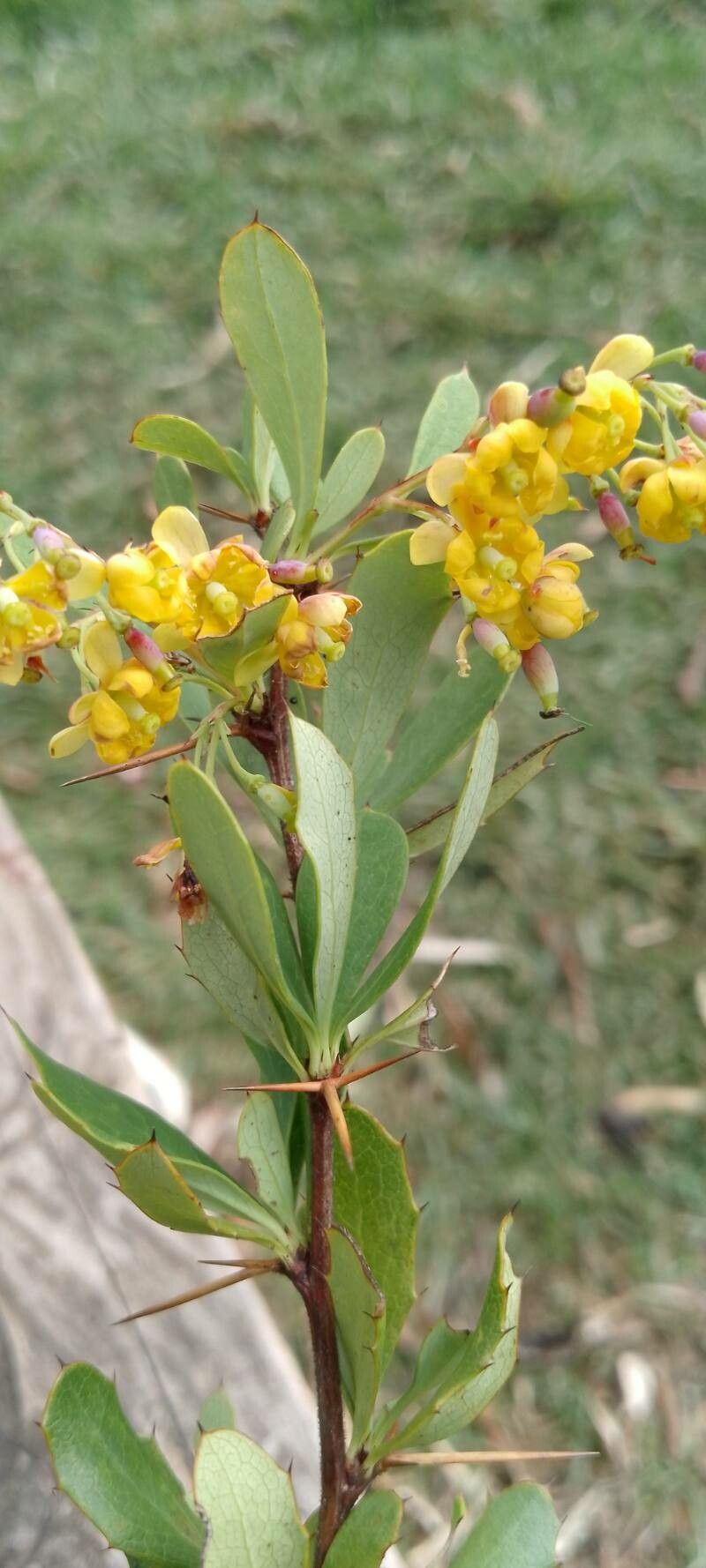
From One to Many: Propagating the Striking Berberis Holstii
Berberis holstii, with its captivating foliage and vibrant blooms, is a true gem in the world of gardening. But what if you wanted to share this beauty with friends or simply expand your own garden? The answer lies in propagation, a process that allows you to create new plants from existing ones.
While Berberis holstii can be propagated through seed, this method is time-consuming and often results in plants with varying characteristics. The most reliable and efficient way to reproduce this stunning shrub is through cuttings. Here’s a comprehensive guide to help you succeed:
Timing is Key
The best time to take cuttings is during late spring or early summer when new growth is abundant and the plant is actively growing. Avoid taking cuttings in the middle of summer as the heat can stress the plant and hinder its ability to root.
Selecting the Perfect Cuttings
Look for healthy, non-flowering stems that are about six inches long and at least pencil-thick. They should be free of any diseases or pests. While cuttings might be taken from both softwood (new growth) and semi-hardwood (mature but still flexible) stems, softwood cuttings are generally easier to root.
Preparing the Cuttings
- Make a Clean Cut: Using sharp pruning shears or a knife, make a clean cut just below a node (the point on the stem where a leaf grows).
- Strip Lower Leaves: Remove all leaves below the top two to three leaves. These leaves will act as energy sinks, drawing energy away from the growing roots.
- Optional: Wound the Stem
- If using semi-hardwood cuttings, slightly score the bark around the base of the cutting using a sharp knife. This encourages faster root growth.
- Dip in Rooting Hormone (Optional): Rooting hormone can significantly boost the success of cuttings. Dip the cut end of the stem in a rooting hormone powder or liquid. This will encourage root development.
Creating the Perfect Environment
- Choose Your Rooting Medium: Use a well-draining mix, such as a mixture of peat moss, perlite, and vermiculite, or a commercial rooting mix.
- Potting Up: Fill small pots or trays with your rooting medium and moisten it thoroughly. Make a hole in the center of each pot and gently place the cutting in it.
- Maintain Humidity: Creating a high humidity environment is crucial for successful rooting. Cover the pots with a clear plastic dome or wrap them in a plastic bag to trap moisture. This creates a mini-greenhouse environment.
- Keep it Moist: Regularly mist the cuttings and ensure the soil is consistently moist, but not soggy. Avoid overwatering, which can lead to root rot.
Patience is a Virtue
It can take anywhere from 4 to 8 weeks for the cuttings to develop roots. During this time, keep them in a bright but indirect light location, away from direct sunlight.
Time to Transplant
Once the cuttings have formed roots, you’ll notice new growth emerging. This is the time to transplant them into individual pots with fresh potting mix. Gradually acclimate the new plants to outdoor conditions by gradually increasing sun exposure over several weeks.
Berberis Holstii – A Rewarding Propagation Project
Propagating Berberis holstii can be a rewarding and enjoyable experience, allowing you to create more of these beautiful plants for your garden or to share with others. Follow these tips, and you’ll be well on your way to enjoying the captivating beauty of Berberis holstii, multiplied and shared.