
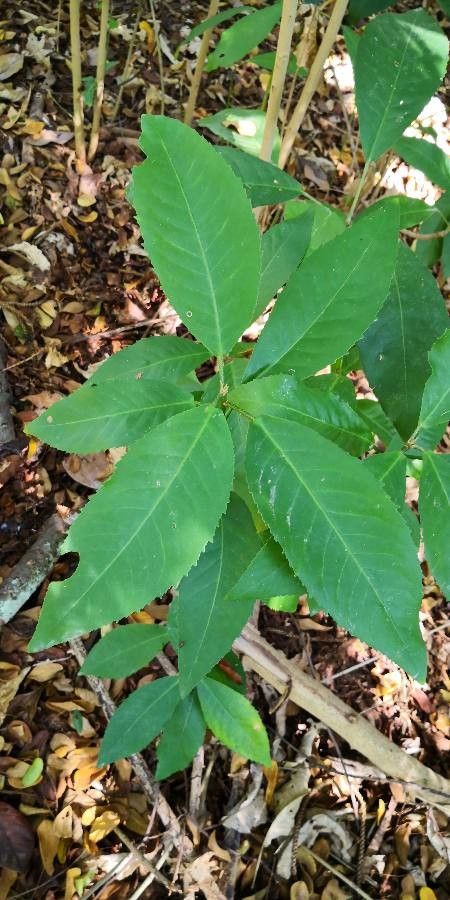
Unleash The Beauty: Croton laevigatus Propagation Made Easy
If you’re captivated by the vibrant, eye-catching foliage of the Croton laevigatus, also known as the “Red Ivies”, you’re not alone! This stunning plant adds a burst of color to any indoor space, making it a popular choice amongst plant enthusiasts. But what if you could easily multiply that beauty? That’s where propagation comes in!
Propagation is a fantastic and budget-friendly way to expand your plant collection and share your love of the Croton laevigatus with friends and family. By understanding the basics, even beginner plant parents can successfully cultivate new plants from cuttings.
Why propagate your Croton laevigatus ?
- Financial Savings: Instead of buying new plants, grow several for free using cuttings from your existing plant.
- Abundance of Plants: Add new plants to your home or create unique arrangements.
- Sense of Achievement: Witnessing a cutting transform into a full-fledged plant is a rewarding experience.
Choose Your Method: Stem Cuttings or Air Layering
There are two common and effective methods for propagating the Croton laevigatus:
1. Stem Cuttings:
- Timing: Best for the active growing season, usually during spring or early summer.
- Process:
- Choose healthy, non-flowering stems.
- Cut a section at least 4-6 inches long, just below a node (where leaves grow).
- Remove the lower leaves from the stem.
- Dip the cut end in rooting hormone powder (optional, but helpful).
- Insert the cutting into a well-draining potting mix and keep it moist but not soggy.
- Place the pot in a bright, indirect light location.
- In a few weeks, you should see new growth indicating successful rooting.
2. Air Layering:
- Timing: Best for when the plant is actively growing.
- Process:
- Select a healthy stem that is about 1/2 inch thick.
- Make a shallow cut into the stem, about 1/4 inch deep.
- Gently spread the cut apart and wrap it with moist sphagnum moss.
- Cover the moss with plastic wrap or a plastic bag, sealing both ends to retain moisture.
- In a few weeks, you should see roots develop at the cut.
- Once the roots are sufficiently established, cut the stem below the roots and plant it in a pot.
Essential Tips for Success:
- Light: Both methods require bright, indirect light. Keep your cuttings or air layers away from direct sunlight.
- Moisture: Maintaining consistent moisture is critical. Use a spray bottle or a humidity dome to create a humid environment around the cutting.
- Temperature: Optimal rooting temperatures are between 65-75 degrees Fahrenheit.
- Patience: Be patient! Rooting can take a few weeks or even months, depending on the method and the plant’s conditions. Regularly check the moisture levels and provide adequate light.
Once Rooted, Time to Transplant:
Once your cuttings or air layers have developed a good root system, you can gently transfer them into a pot with well-draining potting mix. Choose a pot that is slightly larger than the root ball, and handle the delicate roots with care.
Enjoy Your New Crop of Crotons!
Propagating the Croton laevigatus is a fun, rewarding, and cost-effective way to expand your plant collection. Experiment with both methods to find the one that works best for you, and enjoy the vibrant beauty of this stunning plant. Remember, with a little patience and the right care, you’ll be surrounded by lush rows of healthy Crotons in no time!