
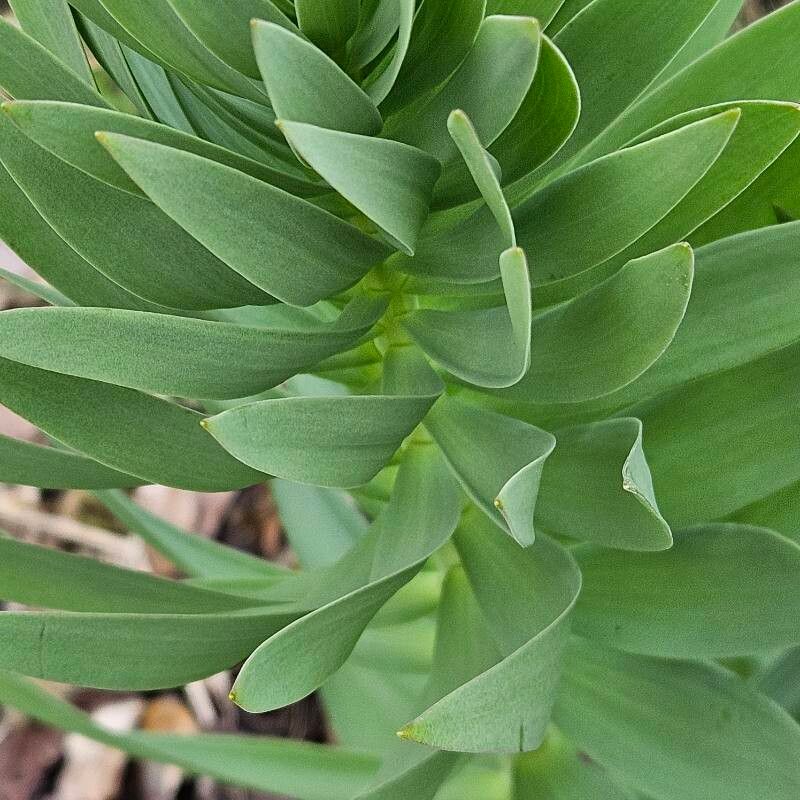
From Bulbs to Blooms: Propagating the Persian Fritillaria
The Persian Fritillaria (Fritillaria persica), with its elegant, nodding, bell-shaped flowers, is a true gem in the spring garden. Its checkered, maroon-purple blooms, reminiscent of a miniature chessboard, add a unique touch of drama and intrigue. But beyond its captivating looks, the Persian Fritillaria offers a delightful challenge for gardeners – propagation.
While it might sound intimidating, propagating this stunning bulb is easier than you might think. There are a few methods you can try, each with its own advantages:
1. The Classic Method: Bulb Division
Just like a family that multiplies over time, Persian Fritillaria bulbs also produce offsets, or smaller bulbs, that grow around the parent bulb. This method is ideal for boosting your existing collection:
- When: The best time for bulb division is during the summer, when the foliage has died back and the bulbs are dormant.
- How: Gently dig up the bulb cluster. Carefully separate the offset bulbs from the main bulb, ensuring each offset has its own root system. Plant these offsets in well-drained soil, about 4-6 inches deep.
2. Seeds for Future Blooms
Starting from seed provides the rewarding experience of nurturing a Persian Fritillaria from its very beginnings. However, this method requires a bit more patience:
- When: Sow seeds in autumn, ideally in a cold frame or outdoors in a well-prepared seedbed.
- How: Plant seeds about 1/4 inch deep and maintain a consistently moist environment. Germination may take several weeks or even months. Once seedlings appear, provide regular watering and protection from harsh weather conditions. Newly established plants will typically bloom in their second or third year.
3. The Rare & Rewarding: Scale Propagation
A less-known but equally effective method for propagating Persian Fritillaria involves the use of scales, the fleshy layers of a bulb:
- When: This technique can be performed during the summer when the bulbs are dormant.
- How: Carefully peel the scales from a healthy bulb, making sure each scale has a little bit of the base attached. Dust the scales with a fungicide to prevent rot.
- Prepare a clean, sterile container with a peat/vermiculite mix. Place the scales on top of the mix, making sure that the base is in contact with the medium. Keep the container in a cool, dark, and moist area until plantlets develop.
Important Tips for Success:
- Well-Drained Soil: Persian Fritillaria thrives in well-drained soil, as excessive moisture can cause rotting.
- Sunlight: These bulbs prefer partial shade, especially in warmer climates.
- Protection: Provide winter protection in colder regions to prevent the bulbs from freezing.
- Patience: Patience is key, as propagation can take several years for some methods.
Propagating your own Persian Fritillarias is not only a rewarding experience but also offers a unique opportunity to share these captivating bulbs with friends and fellow gardeners. So, grab your gardening gloves, delve into the enriching world of propagation, and watch your Persian Fritillaria collection blossom.