
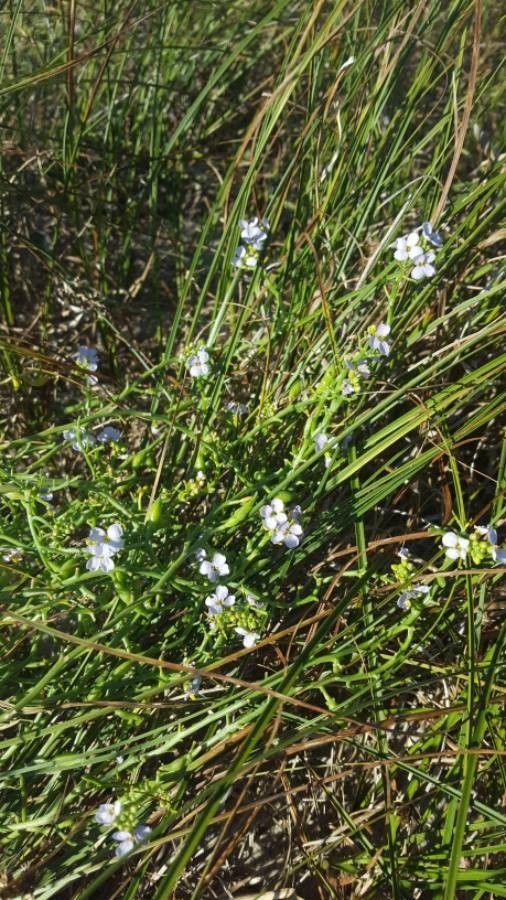
Beach Please! How to Propagate Sea Rocket (Cakile maritima)
The salty spray of the ocean breeze, the feeling of sand between your toes, and the vibrant green of a hardy coastal plant – these are the sensations that evoke images of the sea rocket (Cakile maritima). This fascinating plant, also known as sea kale or beach kale, is a true survivor, thriving in the tough conditions of the shoreline. But did you know you can bring a piece of that beachy beauty home with you?
Sea rocket is known for its unique ability to propagate itself through seeds and cuttings, offering both a fun and rewarding gardening experience.
- Harvesting Seeds: The best time to collect sea rocket seeds is in the late summer or early fall when the seed pods turn brown and dry. Carefully snip off the pods and let them dry further in a cool, dry place. Once completely dry, gently rub the pods to release the seeds.
- Sowing Seeds: Sea rocket seeds have a hard seed coat that can make germination difficult. To encourage germination, you can scarify the seeds by gently rubbing them with sandpaper, or soak them in warm water for 24 hours beforehand. Sow the seeds directly into a pot or a coastal garden bed, burying them about 1/4 inch deep in well-drained soil. Keep the soil moist but not waterlogged.
- Germination: Expect your seeds to germinate in 10-14 days. However, be patient, as some seeds may take longer to sprout.
Cuttings:
- Taking Cuttings: To take cuttings, select healthy stems from a mature plant. Cut a stem about 4-6 inches long, making a clean cut just below a leaf node. Remove the bottom leaves and dip the cut end into rooting hormone powder.
- Planting the Cuttings: Fill a small pot with a well-draining potting mix and moisten it. Make a small hole in the soil and insert the cutting, ensuring at least two leaf nodes are below the soil line.
- Care and Rooting: Keep the cutting moist and in bright, indirect light. It can take about 4-6 weeks for the cutting to root. You can check for rooting by gently pulling on the stem to see if it resists.
Important Considerations:
- Growing Conditions: Sea rocket thrives in loose, sandy soil with good drainage. Choose a location that receives full sun to partial shade.
- Salt Tolerance: While sea rocket loves a salty environment, it’s best to avoid over-salting the soil.
- Water Requirements: Like most coastal plants, sea rocket prefers to be watered in moderation, allowing the soil to slightly dry out between waterings.
- Wildlife Benefits: Attracting pollinators and providing shelter for small animals are just some of the benefits of having sea rocket in your garden. The plant also provides food and nesting materials for coastal birds.
Bringing the Beach Home:
With its unique beauty, resilience, and ease of propagation, sea rocket is a rewarding plant to grow for both novice and experienced gardeners. So, next time you’re strolling along the coast, bring home a piece of the beach with a few cuttings or seeds of this fascinating plant. It’s a reminder that beauty can thrive even in the harshest of environments.