
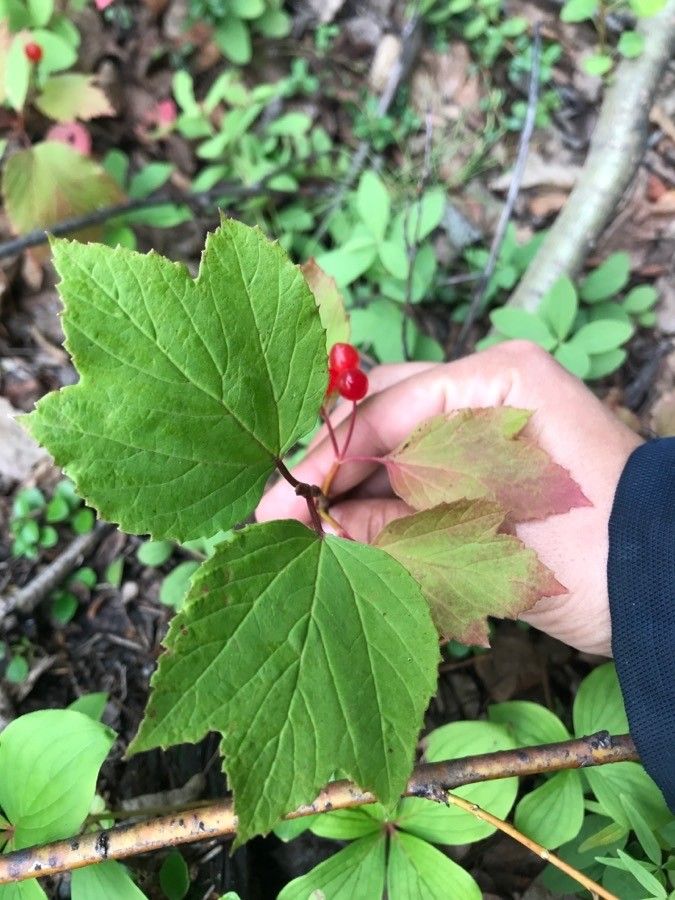
From One Viburnum edule to Many: A Guide to Propagation
Viburnum edule, the delightful wild edible viburnum, bursts with fragrant white flowers and juicy red berries. This native North American shrub is a prized addition to any garden, offering culinary versatility and a beautiful display of color. But what if you wanted to share this beauty with friends or fill your landscape with more viburnum? That’s where propagation comes in.
Propagation is the process of creating new plants from existing ones. For Viburnum edule, there are a few successful methods you can explore:
1. Seed Propagation: A Patient Gardener’s Delight
- Harvest the seeds: Gather ripe berries from your Viburnum edule in the fall. Extract the seeds from the fruit and clean them thoroughly.
- Stratification: Viburnum edule seeds need a period of cold stratification to break their dormancy. Mimic winter conditions by storing the seeds in moist peat moss or vermiculite in a refrigerator for 3-4 months.
- Planting: After stratification, sow the seeds in a well-drained seed starting mix. Provide consistent moisture and a warm environment (around 70°F). Germination can take up to several months.
2. Cuttings: A Quicker Route to New Plants
- Timing is key: Take softwood cuttings in early summer from new growth, or semi-hardwood cuttings in late summer from slightly older growth.
- Preparation: Cut the stem below a node (where leaves emerge). Remove leaves from the bottom half of the cutting and dip the cut end in a rooting hormone.
- Planting: Insert the cuttings in a pot filled with perlite, vermiculite, or a rooting mix. Maintain high humidity and moderate warmth for optimal rooting.
3. Layering: A Simple and Reliable Method
- Choose a flexible stem: Select a healthy branch from the base of your viburnum.
- Bend and bury: Gently bend the branch towards the ground and bury a portion of it, leaving the tip exposed. Secure it in place with a wire or stone.
- Wait for roots: Keep the buried section moist and allow it to root. After a year or two, you can separate the new plant from the parent.
Essential Tips for Success:
- Drainage: Ensure planting medium has good drainage to prevent root rot.
- Sunlight: Choose a location with ample sunlight, but protect the young plants from direct afternoon sun.
- Moisture: Maintain consistent moisture, but avoid overwatering.
- Patience: Propagation can take time. Be patient and give your new plants the best care possible.
Why Propagate?
Sharing your love for Viburnum edule is just one reason to give propagation a try. Here are a few more benefits:
- Cost-effective: Propagating from seeds or cuttings is a budget-friendly way to create new plants.
- Plant variety: If you have a rare or unique variety of Viburnum edule, propagation allows you to multiply its beauty.
- A rewarding experience: Watching a new plant emerge from a cutting or a seed is a satisfying achievement for any gardener.
Whether you opt for seeds, cuttings, or layering, propagating your Viburnum edule is a rewarding and sustainable way to enjoy its beauty for years to come. So, grab your gardening gloves, learn a new skill, and watch your garden flourish with Viburnum edule, a native gem that’s sure to delight your senses.