
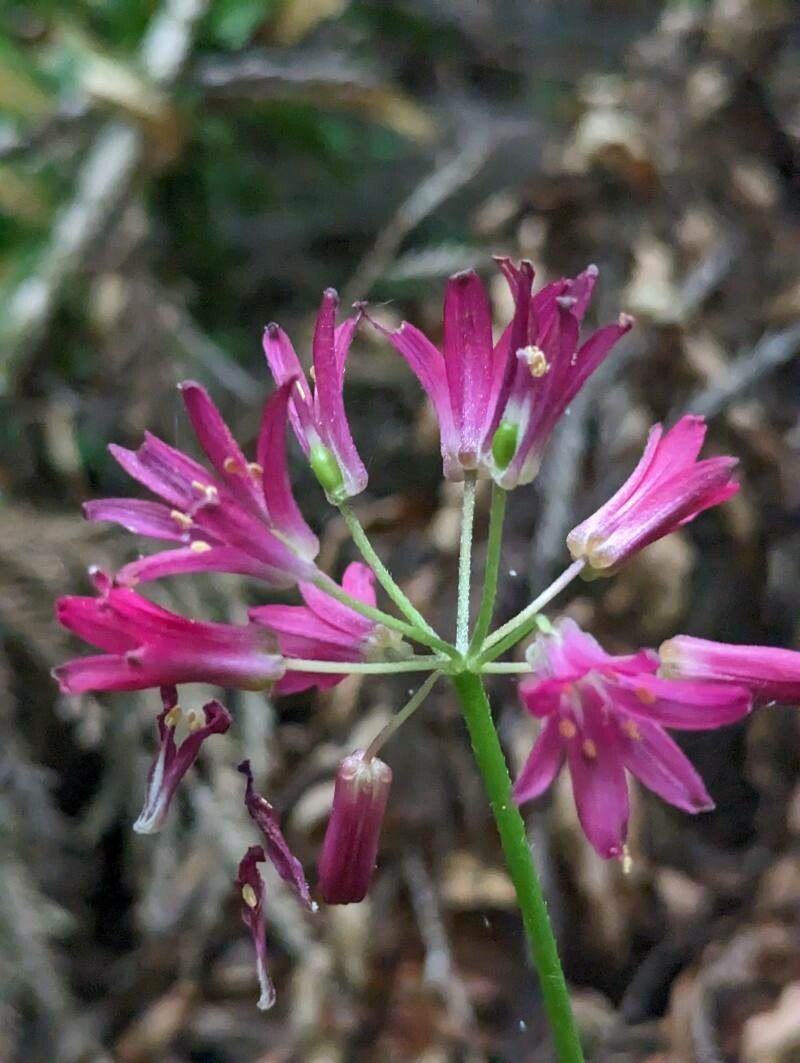
Unveiling the Secrets of Clintonia andrewsiana: A Guide to Propagation
The delicate, bell-shaped blossoms of Clintonia andrewsiana, also known as White Clintonia or Bead Lily, bring ethereal beauty to the woodland landscape. These captivating wildflowers are prized by nature lovers for their elegance and their ability to thrive in shaded, moist environments. But what if you could bring the magic of Clintonia into your own garden? The answer lies in propagation – a process that allows you to cultivate these gems from cuttings or seeds.
Delving into the World of Clintonia Propagation
Clintonia andrewsiana can be propagated using two main methods:
1. Division:
This method is relatively simple and is best performed in early spring or late summer. Here’s how:
- Preparation: Locate a mature Clintonia plant with established clumps. Carefully dig around the plant, ensuring you don’t damage the roots.
- Separation: Gently separate the clumps using a sharp knife or a trowel, aiming for divisions with at least 3-4 healthy stems.
- Planting: Plant the divisions in a well-amended, shaded location, ensuring the crown of the plant is at soil level. Water generously.
2. Seed Propagation:
While challenging, seed propagation offers the chance to cultivate new variations of Clintonia from seed. Follow these steps:
- Collecting Seeds: Clintonia produces small, blue-black berries in late summer. Harvest the berries when they are ripe and extract the seeds.
- Preparation: Rinse the seeds thoroughly and sow them immediately in a seed tray filled with a well-draining seed-starting mix.
- Stratification: Clintonia seeds benefit from a period of cold stratification. Place the seed tray in a refrigerator at 41°F (5°C) for 8-12 weeks.
- Germination: After stratification, transfer the tray to a bright, indirect light location. Germination often takes several months.
Tips for Success:
- Environment: Clintonia thrives in moist, shaded areas. Replicate these conditions in your garden by planting them under trees or shrubs.
- Soil: Choose a well-drained, slightly acidic soil rich in organic matter.
- Water: Ensure consistent moisture, especially during the first year of growth. However, avoid overwatering.
- Patience: Be patient. Clintonia can be slow-growing at first, but with time, they will establish themselves and spread.
A Final Thought:
Propagating Clintonia andrewsiana allows gardeners to appreciate these beautiful wildflowers beyond their natural habitat. Whether you opt for division or seed propagation, the journey to cultivating Clintonia is a rewarding one. It’s a chance to connect with nature, learn about the fascinating world of plant reproduction, and even share these gems with fellow plant enthusiasts.
So, gather your gardening tools, embrace the challenge, and embark on your Clintonia propagation adventure!