
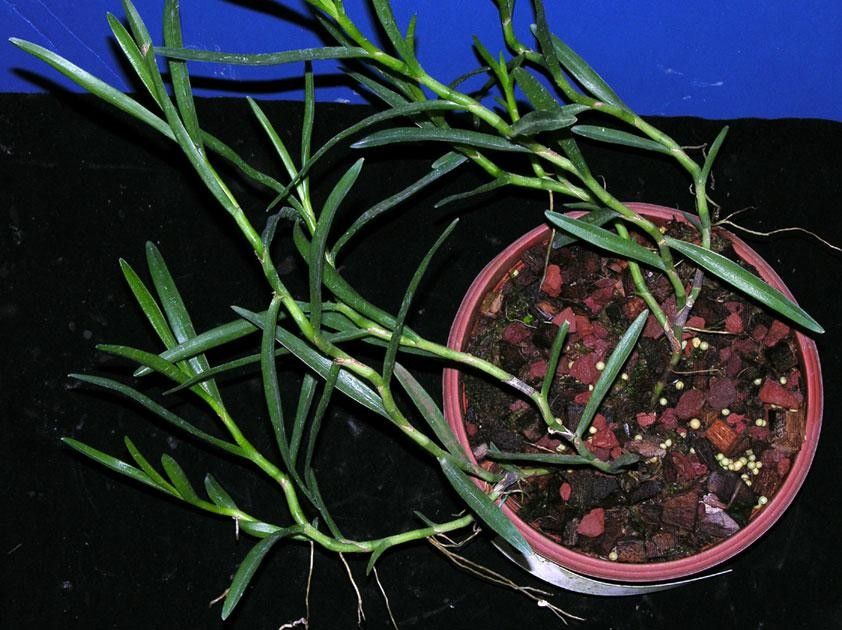
Unlocking the Secrets of Maxillaria nicaraguensis Propagation: A Guide for Orchid Enthusiasts
The captivating Maxillaria nicaraguensis, with its delicate, fragrant blooms, is a sought-after orchid among enthusiasts. But what if you could share its beauty with others, or build your own flourishing collection? Propagation is the answer, and unlike what some may think, it’s not an elusive art reserved for the experts. This guide will demystify Maxillaria nicaraguensis propagation, empowering you to grow this fascinating plant in new ways.
Understanding the Options
Maxillaria nicaraguensis can be propagated through two primary methods: division and seed. While division is generally preferred for ease and quicker results, both offer unique paths to new plants.
1. Division: The Simpler Route
As the name suggests, division involves separating a mature plant into smaller, independent units. This is typically done when the plant forms multiple growth points, or “pseudobulbs.”
- Timing is Key: The ideal time for division is during the active growth phase, usually after flowering but before the onset of new growth.
- Gently Does It: Carefully remove the plant from its pot and gently separate the pseudobulbs. Each division should have at least 3 pseudobulbs for optimal growth.
- Repotting: Pot the divisions using a well-draining orchid mix, ensuring each pseudobulb is adequately rooted.
2. Seed Propagation: A Challenge Worth Embracing
Seed propagation, although more complex, offers the chance to cultivate unique variations. Maxillaria nicaraguensis seeds are dust-like and require a specific environment for germination.
- Sterile Medium: Sterile orchid seed media is essential for successful germination. This is often a blend of agar and nutrients.
- Symbiotic Partners: Maxillaria nicaraguensis seeds need a symbiotic relationship with mycorrhizal fungi for proper development.
- Patience is Key: This is a time-consuming process, with germination taking several weeks or months.
- Dedicated Environment: Seedlings require high humidity and controlled temperature for optimal growth.
Tips for Success
- Cleanliness: Sterilize all tools and work surfaces to prevent fungal infections.
- Humidity: Provide a humid environment for seed propagation, using humidity trays or other methods.
- Light: Seedlings require bright, diffused light for photosynthesis.
- Patience: Both division and seed propagation require time and attention. Be patient and observe for signs of growth.
Benefits of Propagation
- Expand Your Collection: Create multiple plants from a single specimen, increasing your collection.
- Share the Beauty: Propagate and gift Maxillaria nicaraguensis to fellow orchid enthusiasts.
- Experiment with Variations: Seed propagation allows for the possibility of unique variations in your plants.
- Preserve Species: Contribute to the perpetuation of this beautiful orchid.
Unlocking New Possibilities
Propagation opens a world of possibilities for Maxillaria nicaraguensis enthusiasts. Experimenting with division and seed propagation can be deeply rewarding, allowing you to expand your collection and share the beauty of this captivating orchid. Remember to approach the process with patience, knowledge, and the right tools, and you’ll soon witness the joy of cultivating new life from your beloved plants.