
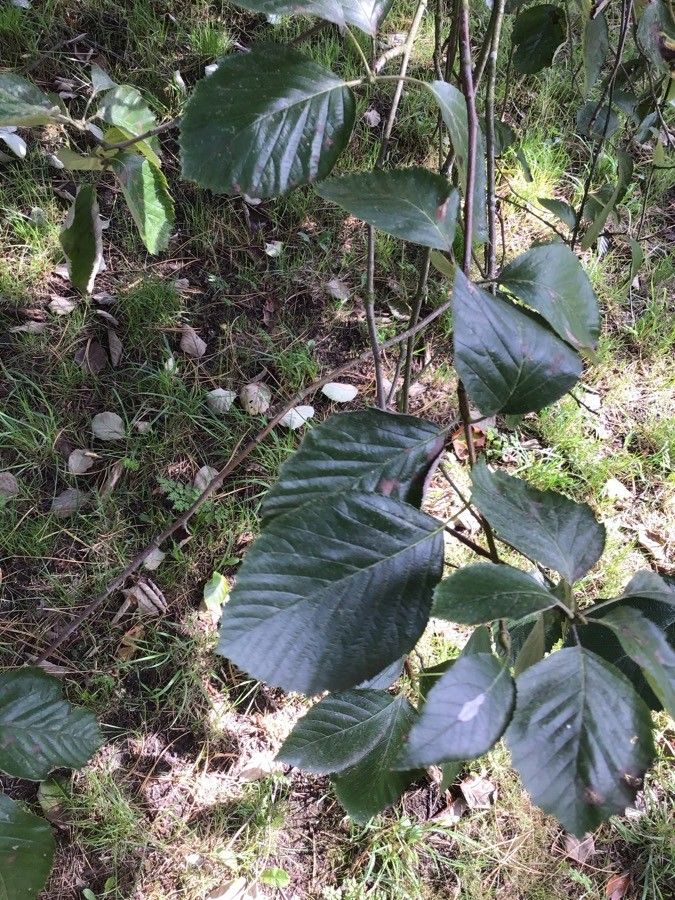
From One to Many: Propagating the Stunning Karpatiosorbus croceocarpa
The Karpatiosorbus croceocarpa, also known as the Red Fruit Mountain Ash, is a captivating tree with a unique beauty. Its vibrant foliage, showcasing shades of green and orange, paired with its clusters of fiery red berries, make it a showstopper in any landscape. But what if you could share this beauty with others?
Through propagation, you can create new plants from an existing one, extending the joy of the Karpatiosorbus croceocarpa beyond your own garden. This process, though seemingly complex, is achievable even for beginner gardeners.
Layering – A Gentle Approach to Propagation
Layering offers a gentle and reliable method for multiplying your beloved Karpatiosorbus croceocarpa. Here’s how to do it:
- Choose a healthy branch: Select a low-lying branch, ideally one that is flexible and about a year old.
- Score and cover: Make a shallow cut in the branch, about 1.5 inches long. This will encourage root growth. Cover the cut area with moist sphagnum moss or peat moss, then wrap it with plastic wrap to retain moisture.
- Burying and Patience: Gently bend the branch towards the ground and secure it with a heavy object like a rock or a stake. Cover the buried portion with soil and water it regularly. Patience is key; the layering process can take anywhere from a few months to a year.
- Time to Separate: Once new roots have developed, carefully sever the branch from the parent plant and transplant it into a separate pot or planting site.
Seeds – A Long-Term Venture
The Karpatiosorbus croceocarpa produces seeds within its red berries. While not as immediate as layering, seed propagation offers a chance to grow a new tree from scratch.
- Harvesting and Preparation: Gather ripe berries in the fall and extract the seeds. Clean them thoroughly to remove any remaining fruit pulp.
- Cold Stratification: This step is vital for seed germination. Place the seeds in a container with moist peat moss and store it in a cool, dark place at around 40 degrees Fahrenheit for about 3 months. This mimics the natural winter conditions essential for their germination.
- Sowing and Care: After the stratification period, sow the seeds in a seed tray filled with well-draining potting mix. Water them generously and place them in a sunny location. Germination can take several weeks to several months.
- Transplanting: Once the seedlings have developed a few true leaves, you can transplant them into individual pots or directly into your garden.
Choosing the Right Method for You
The choice between layering and seed propagation depends on your preferences and timeframe. Layering is a quicker method, providing a mature plant within a year or two. Seed propagation, on the other hand, requires more time but offers a greater number of plants.
Things to Consider Before You Begin:
- Location: The Karpatiosorbus croceocarpa thrives in zones 3-8, preferring full sun to partial shade.
- Soil Type: Well-drained soil is optimal.
- Maintenance: This tree requires minimal maintenance, making it a low-effort, high-reward choice.
Propagating the Karpatiosorbus croceocarpa is a rewarding journey. Whether through layering, seed propagation, or a combination of both, you’ll experience the joy of witnessing new life emerge from the beauty of this unique tree. So, grab your gardening gloves, choose your method, and start your own propagation project today!