
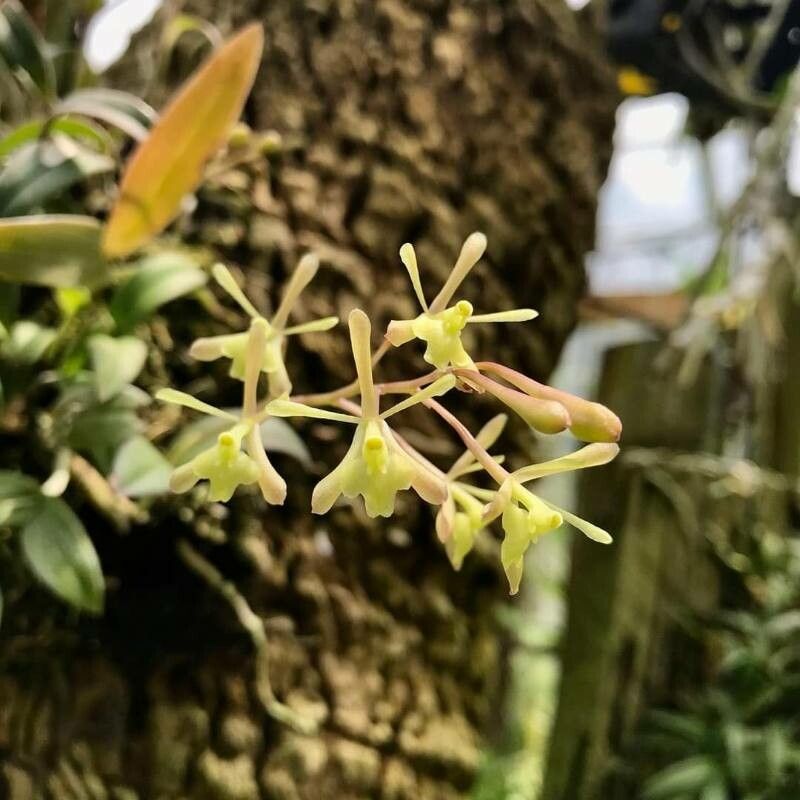
From One to Many: The Joy of Propagating Epidendrum conopseum
The Epidendrum conopseum, with its charming, miniature orchid blossoms and easygoing nature, makes a perfect candidate for plant propagation – a rewarding journey that allows you to expand your collection and share the beauty of this species with fellow plant lovers.
Understanding the Basics:
Propagation refers to the process of creating new plants from existing ones. For Epidendrum conopseum, the most common methods are:
- Seed propagation: While possible, it’s a time-consuming process with low success rates for beginners.
- Division: This method involves separating an established plant into individual sections, each containing roots and shoots.
- Keiki: These are plantlets that develop on the stem or inflorescence of the parent plant. They can be easily detached and repotted.
The Division Method:
Dividing an Epidendrum conopseum is a relatively straightforward process:
- Choose the right time: The best time for division is during the spring or early summer, when the plant is actively growing.
- Prepare the plant: Gently remove the plant from its pot and loosen the root ball.
- Divide the plant: Using a clean, sharp knife or scissors, carefully separate the plant into sections, ensuring each section has its own set of roots and shoots.
- Repotting: Pot each division in a well-draining potting mix. Ensure the root ball is slightly below the rim of the pot, allowing for drainage.
Keiki Propagation:
Keikis are a valuable resource for propagating Epidendrum conopseum.
- Identify the keikis: Keikis are small, new plantlets that grow on the stem or inflorescence of the parent plant. They often develop their own roots.
- Prepare the keikis: When the keiki has developed a robust root system, it’s ready to be separated from the parent plant.
- Repotting: Choose a small pot filled with a well-draining potting mix. Gently position the keiki in the pot, ensuring the roots are fully covered.
Aftercare:
Once you have successfully propagated your Epidendrum conopseum, it’s important to provide the new plants with the right care to ensure their survival and growth. Provide them with ample indirect sunlight, consistent moisture, and feed them with a balanced orchid fertilizer.
Tips for Success:
- Use sterile tools: This minimizes the risk of fungal infections.
- Avoid overwatering: Ensure the potting mix dries slightly between waterings.
- Maintain humidity: Epidendrum conopseum thrives in slightly humid environments.
- Choose the right potting mix: A well-draining mix specifically designed for orchids is ideal.
Beyond Propagation:
Propagating your Epidendrum conopseum is not only a means of increasing your plant collection but also a rewarding experience that deepens your connection with this fascinating orchid species. It allows you to share the joy of these miniature wonders with others and contribute to the conservation of this beautiful plant.