Propagating Acacia jennerae: A Gardener’s Guide to a Rare Beauty
Introduction
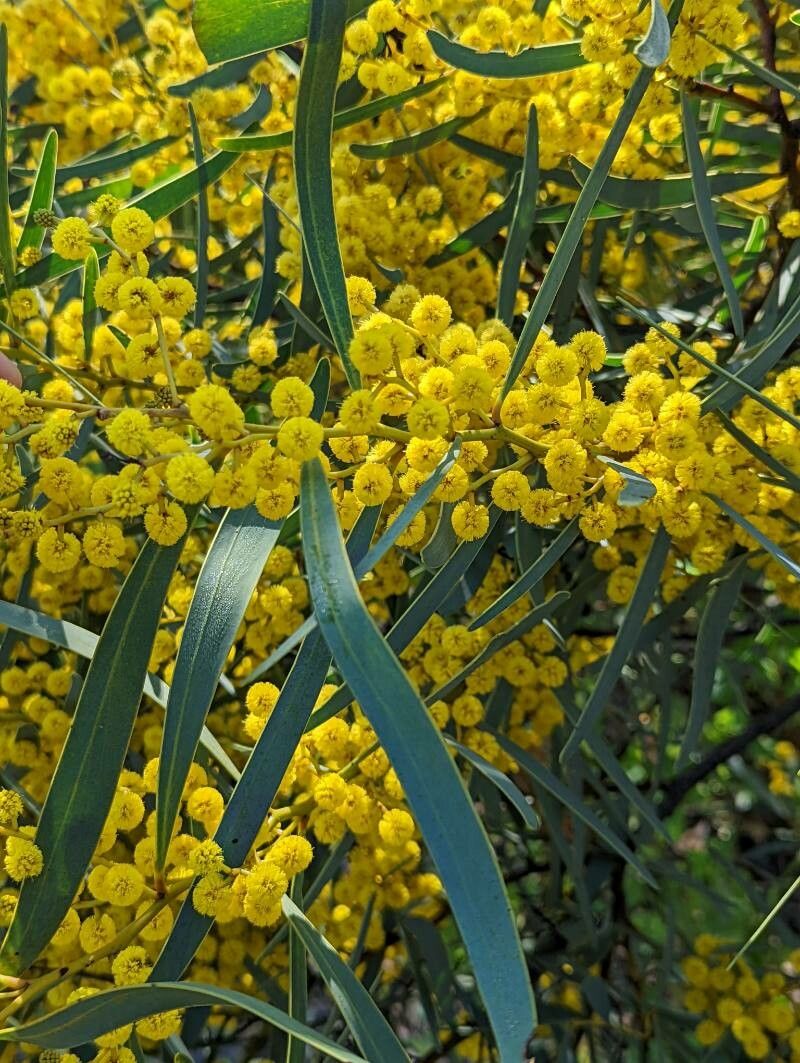
Acacia jennerae, commonly known as the "Jenner’s Wattle," is a captivating Australian shrub prized for its delicate, fern-like foliage and attractive, often profuse, yellow flowers. Its smaller stature compared to some other Acacia species makes it suitable for a range of garden settings, from rockeries to larger shrub borders. Its relative rarity, however, makes propagation a topic of significant interest among keen gardeners. This article explores various propagation methods for Acacia jennerae, highlighting both the challenges and the rewarding outcomes.
Seed Germination
Currently, there are no known reliable methods for seed germination propagation of Acacia jennerae. While some Acacia species readily germinate, Acacia jennerae appears to present significant challenges. Research into specific germination requirements, including scarification techniques or hormonal treatments, would be necessary to determine if seed propagation is feasible.
Cuttings
Cuttings present a potentially viable method for propagating Acacia jennerae.
Challenges: Success with hardwood cuttings is likely more challenging than with softwood cuttings due to the maturity of the cells and their lower natural hormonal activity. The success rate may be low, requiring multiple attempts and meticulous care. Disease can easily take hold in cuttings before successful rooting.
Practical Tips: The ideal time for taking cuttings is during the late spring or early summer. Use semi-hardwood cuttings, approximately 10-15cm long, taken from non-flowering stems. Remove lower leaves to prevent rotting and treat the cut end with a rooting hormone. Plant the cuttings in a well-draining, sterile propagation mix, keeping consistently moist but not waterlogged, under a humidity dome or plastic cover. High humidity and bottom heat can significantly improve the rooting success.
Rewards: Propagating from cuttings offers the advantage of preserving the exact genetic characteristics of the parent plant. This is particularly valuable for maintaining desirable traits in rarer cultivars.
Division
Division is generally not a practical method for propagating Acacia jennerae. This species typically develops a relatively robust taproot system, making it difficult to divide successfully without causing significant damage to the plant.
Tissue Culture
Tissue culture offers a potential route for large-scale propagation of Acacia jennerae.
Challenges: Establishing a reliable tissue culture protocol for Acacia jennerae would require specialized knowledge and equipment, including sterile environments and specific nutrient media. Contamination is a major risk, as is the development of somaclonal variation (changes in the plant’s genetic characteristics). The process is also time-consuming and can be expensive.
Practical Tips: Successful tissue culture would involve using sterile explants (such as shoot tips or nodal segments), growing them on a suitable growth medium containing plant hormones to stimulate shoot and root development, and then transferring the plantlets to a suitable growing medium for acclimatization before transplanting outdoors.
Rewards: Tissue culture allows for the rapid and large-scale production of plants, ensuring the propagation of desirable genotypes. It also enables the preservation of rare or endangered genotypes.
Conclusion
Propagating Acacia jennerae presents considerable challenges, particularly with seed germination and division. Cuttings offer a realistic, albeit potentially tricky, approach. Tissue culture, while demanding in terms of expertise and resources, represents the most promising method for large-scale propagation. The rewards of successfully cultivating this beautiful and relatively uncommon shrub, however, are substantial. Successfully multiplying Acacia jennerae, whether through cuttings or tissue culture, provides an immense sense of achievement and contributes to the preservation of this fascinating plant. Don’t be discouraged by initial setbacks; meticulous attention to detail, patience, and perseverance will ultimately lead to success for those determined to cultivate this charming wattle.