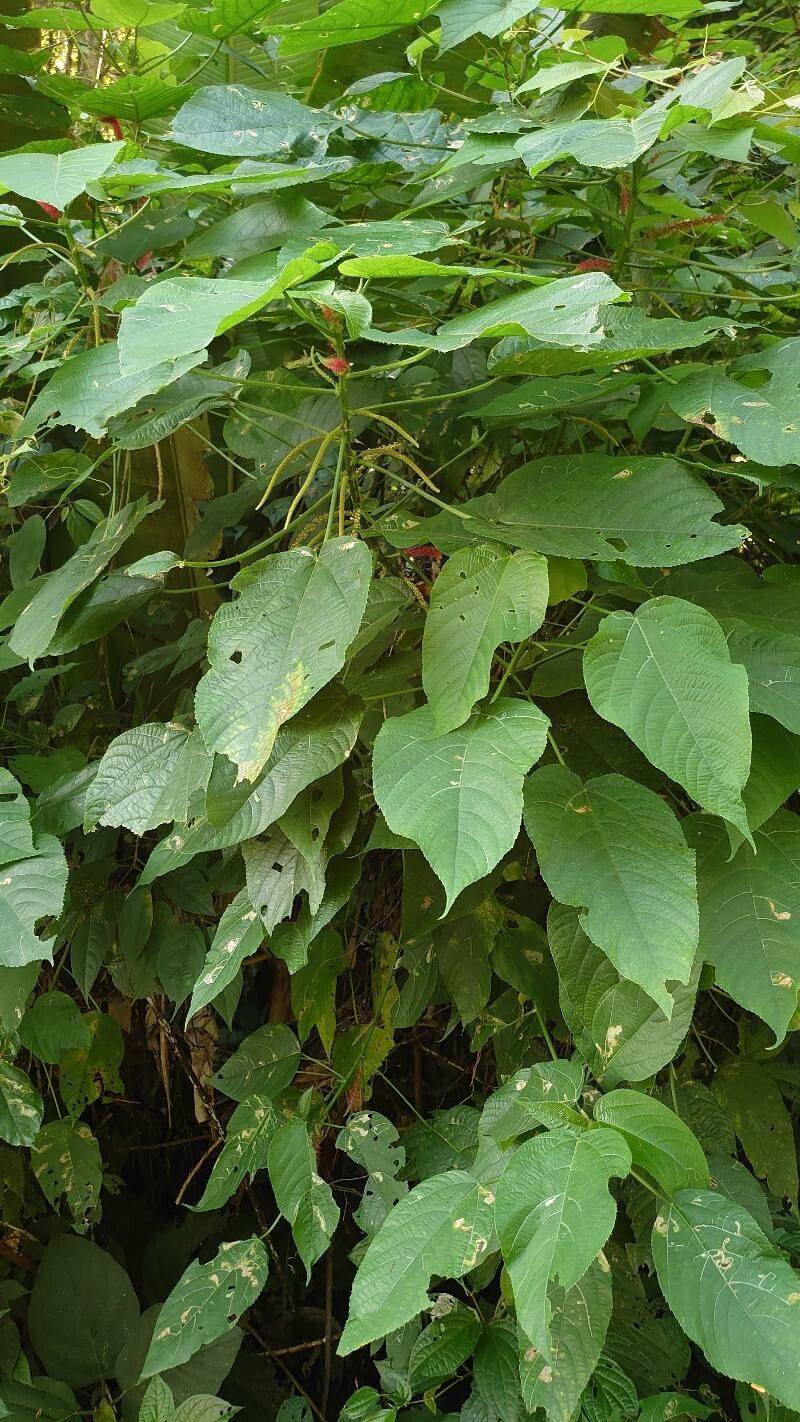
Propagating Acalypha macrostachya: A Gardener’s Guide
Acalypha macrostachya, commonly known as the chenille plant or red hot cattail, is a captivating shrub prized for its striking, long, pendulous flower spikes that resemble fuzzy caterpillars. These vibrant crimson or reddish-pink inflorescences are a focal point in many gardens, making it a popular choice among plant enthusiasts. Its relatively low maintenance and tolerance for various conditions further enhance its horticultural significance. However, propagating this beauty presents unique challenges, offering a rewarding experience for those who persevere.
Seed Germination:
Currently, there are no known reliable methods for seed germination propagation of Acalypha macrostachya. While the plant does produce seeds, their viability is notoriously low, and successful germination rates are extremely difficult to achieve under typical horticultural conditions. This is likely due to factors such as seed dormancy mechanisms and specific germination requirements that haven’t yet been identified.
Cuttings:
Cuttings represent the most reliable and commonly used method for propagating Acalypha macrostachya.
Challenges: The primary challenge lies in achieving successful rooting. Semi-hardwood cuttings taken in late spring or early summer usually have the highest success rate. Poor sanitation can lead to fungal diseases, hindering rooting.
Practical Tips: Use sharp, clean cutting tools to take 4-6 inch cuttings from healthy, actively growing stems, removing lower leaves to prevent rot. Dip the cut ends in rooting hormone to stimulate root development. Plant the cuttings in a well-draining propagation mix, maintaining high humidity (e.g., using a humidity dome or misting regularly). Consistent moisture is crucial but avoid overwatering, which promotes rot.
Rewards: This method offers a fast and relatively straightforward way to increase the number of plants, preserving the characteristics of the mother plant.
Division:
Division is generally not a practical method for propagating Acalypha macrostachya. The plant’s root system doesn’t readily lend itself to being easily separated into viable divisions without causing significant damage to the parent plant.
Tissue Culture:
Tissue culture is a viable, albeit advanced and technically demanding, method for propagating Acalypha macrostachya.
Challenges: This method requires specialized equipment, sterile conditions, and a detailed understanding of plant tissue culture techniques. Contamination is a major hurdle, and developing a reliable protocol for this specific species can be time-consuming and require experimentation.
Practical Tips: Specialized media, growth regulators, and aseptic techniques are crucial. Successful propagation requires careful attention to light, temperature, and humidity controls within the tissue culture environment.
Rewards: Tissue culture allows for mass propagation of genetically identical plants and can be used to eliminate diseases. This is advantageous for commercial production or for preserving rare or superior cultivars.
Conclusion:
Propagating Acalypha macrostachya presents unique challenges across different methods. While seed germination is currently unreliable, cuttings offer a readily accessible approach for the home gardener, albeit requiring patience and attention to detail. Tissue culture represents a more advanced and efficient method, particularly for large-scale propagation or specialized purposes. The unique beauty and captivating inflorescences of the chenille plant make the effort invested in its propagation worthwhile. The satisfaction of nurturing a tiny cutting into a thriving, flowering shrub is a deeply rewarding experience for any plant enthusiast. Don’t be discouraged by initial setbacks—with persistence and the right techniques, you too can successfully cultivate these fiery beauties. Remember to always prioritize sanitation and accurate observation of your plants’ needs to enhance your chances of success.