
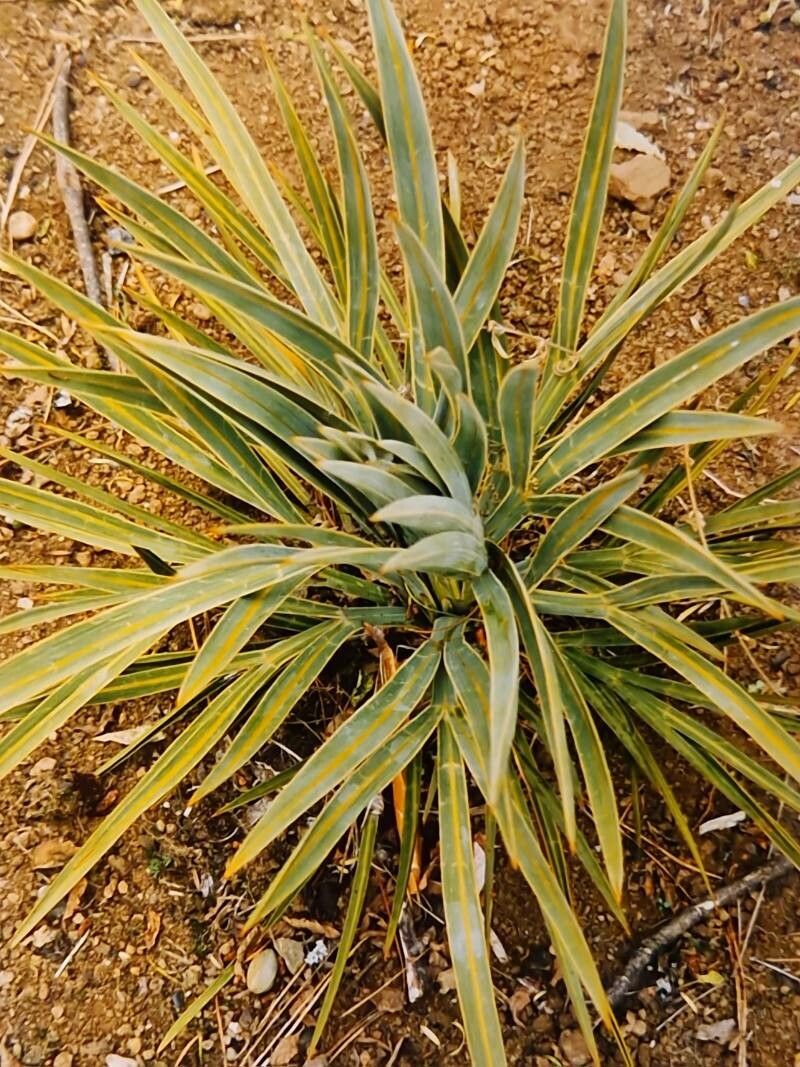
Propagating Aciphylla colensoi: A Gardener’s Challenge
Introduction:
Aciphylla colensoi, commonly known as the speargrass or Colenso’s speargrass, is a striking New Zealand native plant prized for its architectural form and robust, spiny foliage. Its stiff, sharply pointed leaves radiate from a central crown, creating a dramatic presence in the garden. While its beauty makes it a popular choice among gardeners, propagating Aciphylla colensoi presents unique challenges due to its physiology and specific environmental needs. Success requires patience, precision, and a keen understanding of the plant’s requirements. The potential rewards, however, include the satisfaction of cultivating this unique species and contributing to its conservation.
Seed Germination:
Currently, there are no known reliable methods for seed germination propagation of Aciphylla colensoi. While seeds may be produced, germination rates are extremely low, and successful establishment from seed is rarely reported. Further research into specific germination requirements, including the potential need for specialized stratification techniques or fungal symbiosis, is needed.
Cuttings:
Propagating Aciphylla colensoi from cuttings presents significant difficulties. The plant’s tough, fibrous leaves and slow growth rate hinder the development of roots even under optimal conditions. While some anecdotal evidence suggests that basal cuttings may be possible, success is highly variable and depends on numerous factors, including the age and health of the parent plant, the time of year, and the precise technique used.
Challenges: Low rooting success rate, difficult to maintain moisture balance during propagation.
Practical Tips: There are currently no reliably successful techniques available to report. Experimental attempts could involve the use of rooting hormones and high humidity environments.
Rewards: If successful, cuttings offer a method of creating genetically identical copies of superior plants.
Division:
Division is arguably the most reliable propagation method for Aciphylla colensoi. This involves carefully separating established plants into smaller sections each containing a portion of the root system and crown.
Challenges: Established plants can be difficult to divide without damaging roots, risking the health of both parent and offspring plants. Furthermore, the plant’s robust root system and the presence of sharp leaves necessitate handling with caution.
Practical Tips: Division is best attempted in spring or autumn, ideally when the plant is actively growing but not flowering. Sharp, sterilized tools are essential to minimize damage. Each division should have a well-developed root system and several healthy leaves. Careful planting and watering afterwards are critical to successful establishment.
Rewards: Division offers a relatively straightforward and highly successful method for increasing the number of plants, preserving the genetic traits of the parent.
Tissue Culture:
Tissue culture offers a potentially promising avenue for large-scale propagation of Aciphylla colensoi. However, it requires specialized equipment, expertise, and laboratory conditions. Successful protocols for this species may not have been widely published.
Challenges: This method requires specialized knowledge and facilities, making it inaccessible to most home gardeners. Contamination can easily occur, impacting success rates.
Practical Tips: Specific protocols would need to be developed, possibly exploring different growth media and hormone combinations to optimize shoot proliferation and rooting.
Rewards: Tissue culture offers the possibility of rapid propagation of disease-free plants, allowing for large scale production and conservation efforts.
Conclusion:
Propagating Aciphylla colensoi presents multiple challenges across all discussed methods. Division currently stands as the most practical option for the average gardener, although success depends on careful technique. The low success rates associated with seed germination and cuttings highlight the plant’s unique challenges. Tissue culture holds promise for large-scale propagation but requires specialized knowledge and resources. Despite the difficulties, the unique beauty and resilience of Aciphylla colensoi make the effort worthwhile. The satisfaction of successfully nurturing this magnificent plant through any of these methods, especially after overcoming these challenges, is deeply rewarding. Aspiring propagators should begin with division and, if resources permit, explore more advanced techniques like tissue culture, contributing valuable information to the collective of knowledge surrounding this remarkable species.