Propagating Actaea elata: Challenges and Rewards of Cultivating Baneberry
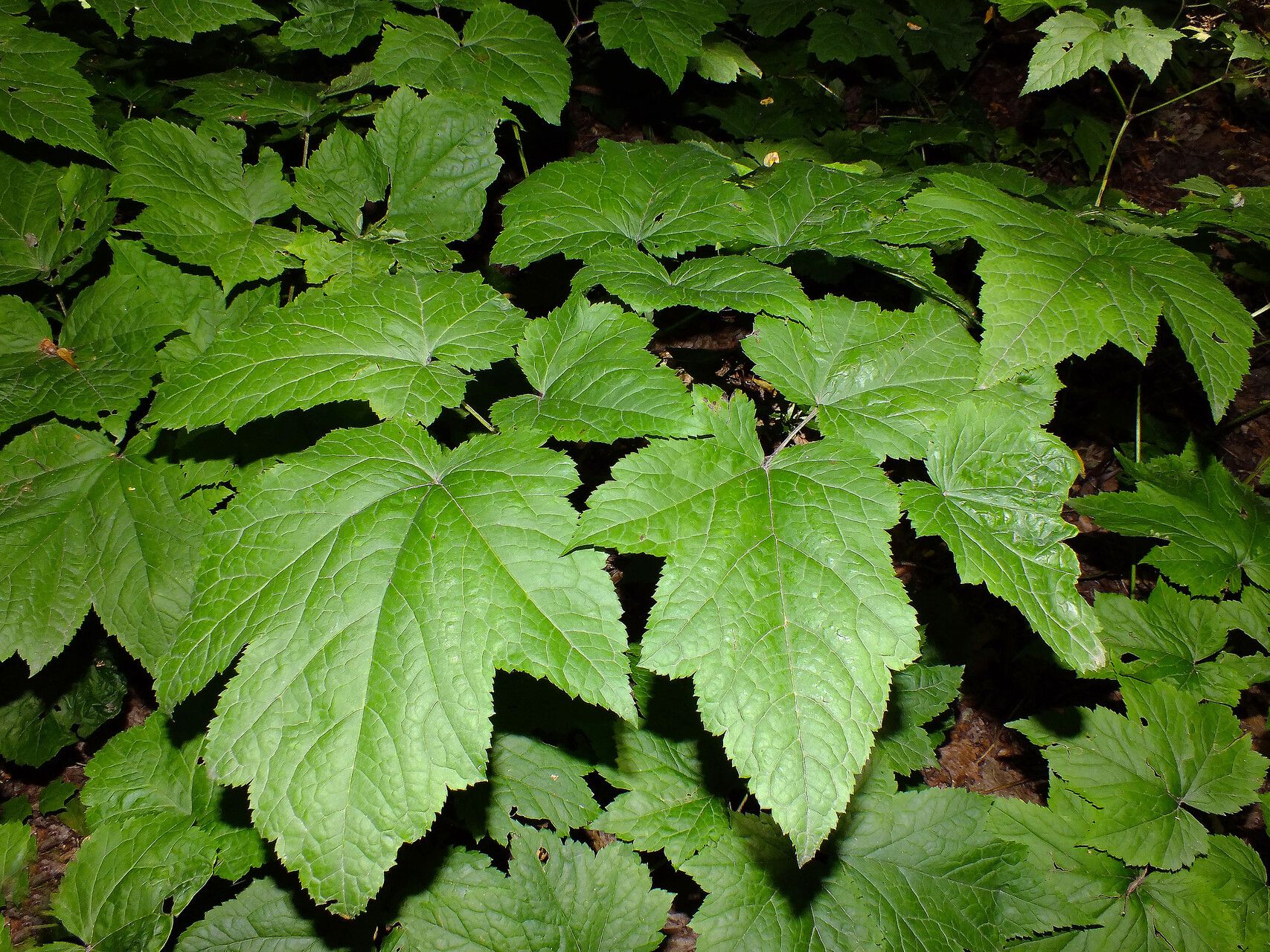
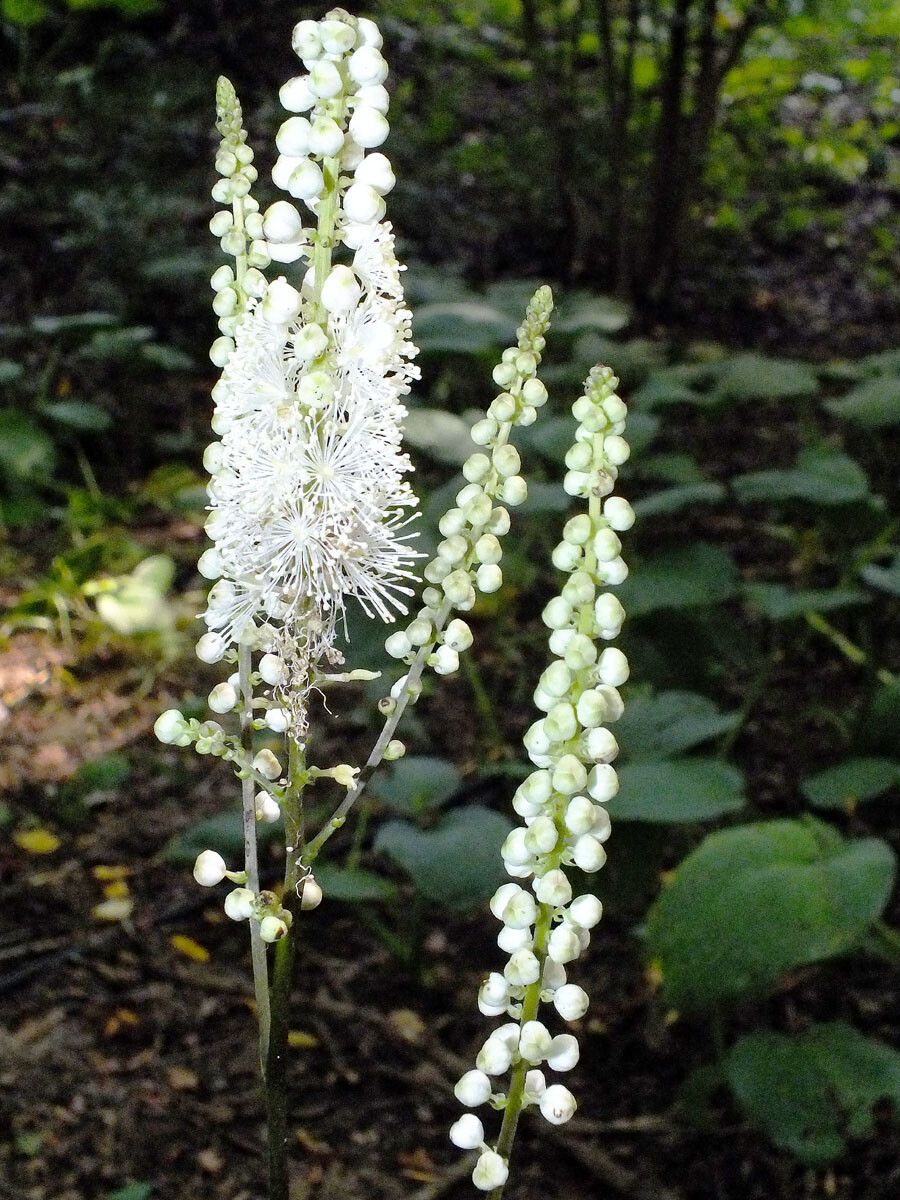
Actaea elata, commonly known as clustered baneberry or dwarf baneberry, is a captivating perennial prized for its striking foliage and unusual berry clusters. Its dark green, deeply lobed leaves create a lush backdrop for the dramatic, often white (occasionally red or black depending on cultivar), berry-like drupes that hang in attractive bunches. This relatively low-maintenance plant’s popularity amongst gardeners is steadily growing due to its adaptability and striking autumnal display. However, propagating Actaea elata can present unique challenges. This article explores various propagation methods, analyzing their viability and associated rewards.
Seed Germination:
Currently, there are no known reliable methods for seed germination propagation of Actaea elata. While seeds are produced, their germination rate is notoriously low, and successful germination often requires specialized conditions that are difficult to replicate outside a laboratory setting. The dormancy period is likely quite complex, making simple stratification techniques ineffective. Therefore, relying on seed germination for propagating this plant is not recommended for the average gardener.
Cuttings:
Propagating Actaea elata through cuttings presents significant challenges. Softwood and semi-hardwood cuttings have shown consistently poor rooting rates. The success rate is dramatically low, even under optimal conditions with the use of rooting hormones. Challenges include the plant’s susceptibility to fungal diseases during rooting and the difficulty in maintaining sufficient humidity to prevent desiccation. While technically possible, this method is not considered a practical or reliable approach for the majority of gardeners.
Division:
Division is the most successful and commonly used method for propagating Actaea elata. Established plants readily form clumps, making division relatively straightforward.
Challenges: The best time for division is during the dormant season (early spring or late autumn). Care must be taken to avoid damaging the roots, as this can significantly impact the plant’s ability to re-establish itself. Each division should contain a healthy portion of rhizome with multiple buds to ensure successful growth.
Tips: Use a sharp, clean shovel or knife to divide the clump, ensuring each section has a healthy root system. Plant the divisions immediately in well-prepared soil, ensuring adequate spacing. Water thoroughly after planting.
Rewards: Division offers a high success rate, allowing for rapid multiplication of chosen cultivars. It’s a relatively simple method, requiring less specialized equipment than other techniques.
Tissue Culture:
Tissue culture offers a potential pathway for large-scale propagation of Actaea elata and the potential to generate disease-free plants. However, this method requires specialized equipment, a sterile environment, and expertise in plant tissue culture techniques. The establishment of a suitable protocol for Actaea elata would require considerable research and investment.
Challenges: Developing a successful tissue culture protocol for this species may prove challenging due to the specific nutrient and hormonal requirements. Contamination is a significant risk, especially for beginners.
Tips: This method is best left to professionals with experience in plant tissue culture.
Rewards: High propagation rates and the ability to produce large quantities of genetically uniform plants are the major advantages.
Conclusion:
Propagating Actaea elata presents a unique set of challenges. While seed germination and cuttings are unreliable, division offers a readily accessible and highly effective method for the home gardener. Tissue culture represents a potential avenue for mass propagation, but requires specialist knowledge and resources. The rewards of successfully cultivating this beautiful plant, however, are well worth the effort. The satisfaction of nurturing a small division into a thriving clump, or even mastering the intricacies of tissue culture, adds significantly to the joy of gardening. For aspiring propagators, we recommend starting with the reliable method of division, gradually exploring other techniques as experience grows and resources allow. Don’t be discouraged by initial setbacks; the persistence will be handsomely rewarded with the stunning beauty of thriving clustered baneberry in your garden.