Propagating Abies forrestii: A Gardener’s Challenge and Reward
Introduction:
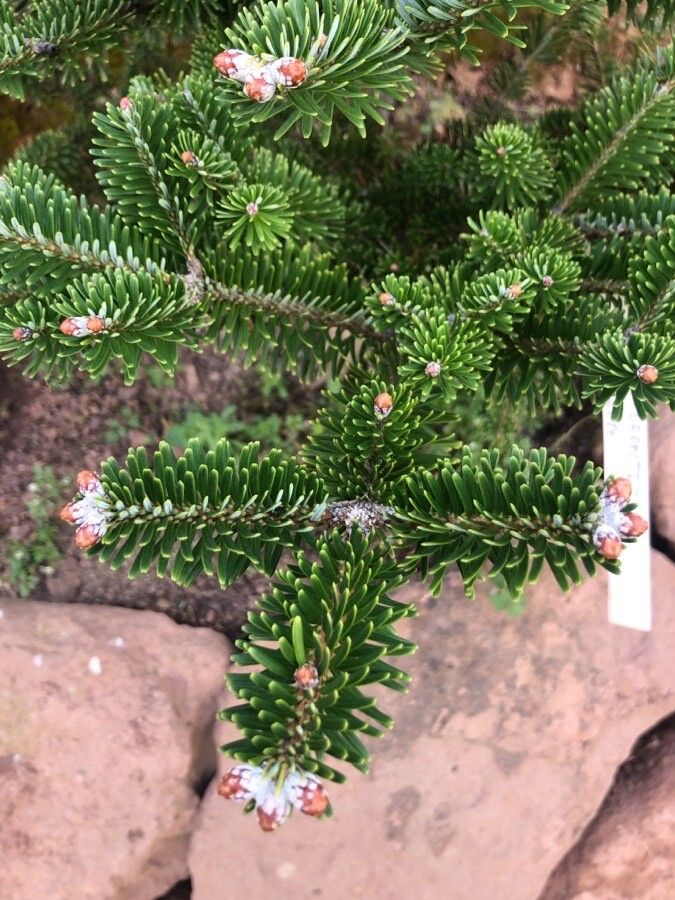
Abies forrestii, the Forrest’s fir, is a striking evergreen conifer native to the high altitudes of western Yunnan, China. Characterized by its elegant, narrowly conical form, exquisitely pendulous branchlets, and distinctive silvery-white undersides to its needles, it commands attention in any garden setting. Its relative rarity and striking beauty contribute to its popularity among discerning gardeners seeking unique and aesthetically pleasing additions to their landscapes. However, propagating this species presents unique challenges, making successful cultivation a particularly rewarding endeavor.
Seed Germination:
Seed germination is a viable, albeit challenging, method for propagating Abies forrestii. The primary hurdle is the seed’s dormancy. Successful germination necessitates a period of cold stratification. This involves mimicking the natural winter conditions the seeds experience in their native habitat.
Challenges: Achieving consistent germination rates is difficult due to the seed’s sensitivity to temperature fluctuations and fungal diseases.
Practical Tips: Collect mature cones in autumn. Extract seeds and clean them thoroughly. Stratify the seeds for 2-3 months at temperatures between 33°F (0.5°C) and 41°F (5°C) in moist peat moss or vermiculite. Sow the stratified seeds in a well-drained, sterile seed-starting mix. Maintain consistently high humidity and avoid direct sunlight. Germination can take several weeks or even months.
Rewards: Seed propagation offers the advantage of genetic diversity, essential for the long-term health and resilience of any population. It also holds the potential for large-scale propagation, crucial if Abies forrestii is to be more widely available to gardeners.
Cuttings:
Currently, there are no known reliable methods for propagating Abies forrestii from cuttings. Fir species generally exhibit low success rates with this method, and Abies forrestii, with its particular sensitivities, has proven particularly recalcitrant.
Division:
Division is not a feasible propagation method for Abies forrestii. This method only works for plants that develop multiple stems or root systems, a characteristic not exhibited by this species.
Tissue Culture:
Tissue culture offers a promising, albeit complex and specialized, method for propagating Abies forrestii.
Challenges: Establishing sterile conditions and identifying the optimal hormone and nutrient regimes for successful shoot proliferation and rooting are significant challenges requiring specialized laboratory equipment and expertise. Contamination is a major risk in tissue culture, especially with a species accustomed to sterile high-altitude environments.
Practical Tips: This is most effectively undertaken with specialized knowledge and equipment beyond the scope of the home gardener. Professional labs are necessary.
Rewards: Tissue culture offers the potential for the rapid multiplication of genetically identical plants, ensuring the preservation of desirable traits. This is vital for the conservation of rare and endangered species like Abies forrestii.
Conclusion:
Propagating Abies forrestii presents a range of challenges, depending on the chosen method. While seed germination offers the possibility of large-scale propagation and genetic diversity, it requires patience, precision, and a deep understanding of the species’ requirements. Cuttings and division methods are ultimately impractical. Tissue culture holds significant promise, but demands specialized equipment and expertise. The rewards, however, are substantial. Successfully cultivating this elegant conifer from seed or employing tissue culture yields a unique sense of accomplishment, a tangible testament to the perseverance required to cultivate a plant of such refined character. For aspiring propagators, remember that patience and attention to detail are paramount; the eventual success of nurturing these majestic trees is a reward well worth the effort.