
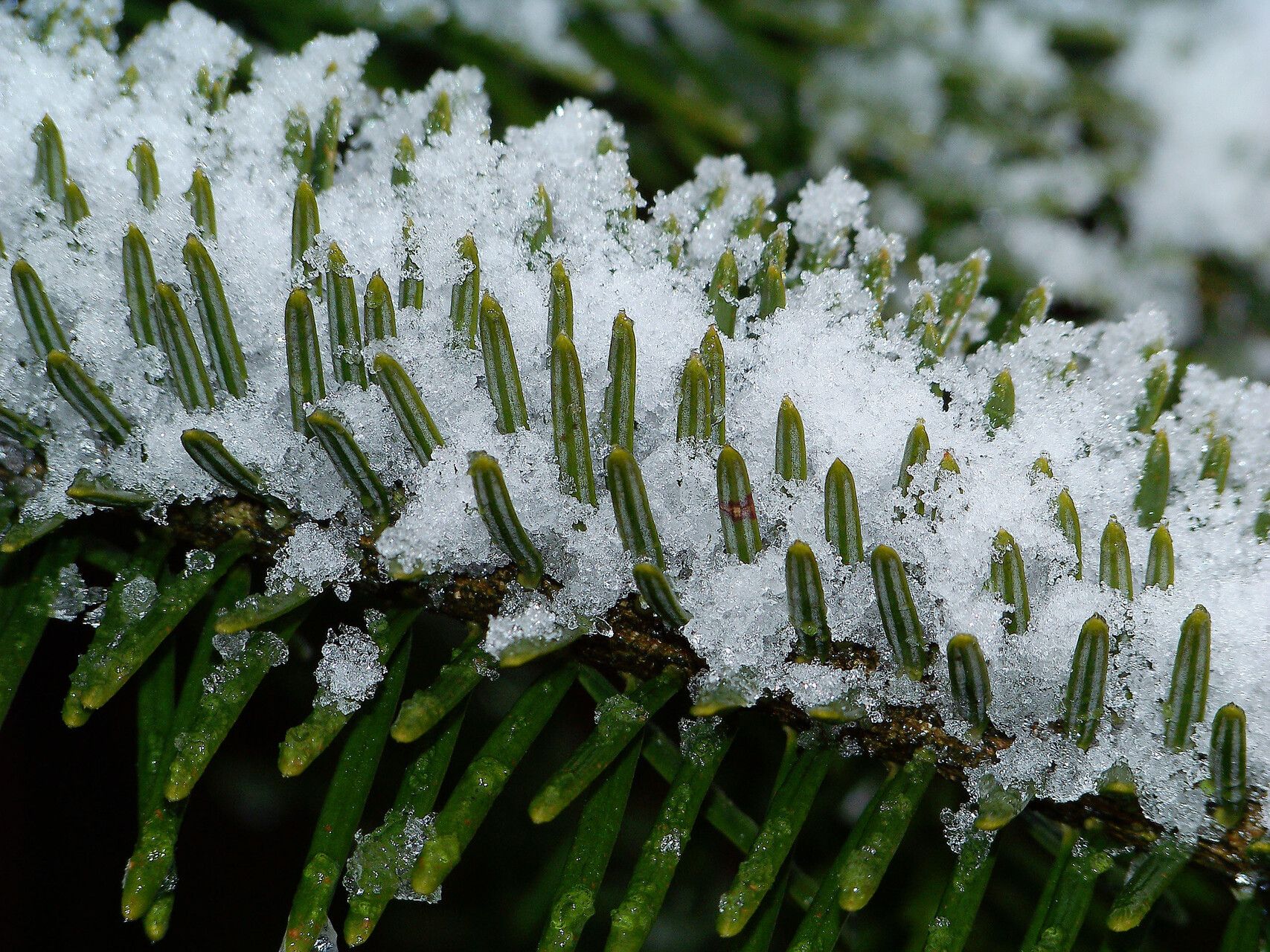
Propagating Abies fraseri: A Guide to Cultivating the Fraser Fir
Introduction:
Abies fraseri, or the Fraser fir, is a majestic evergreen tree native to the high-elevation slopes of the Appalachian Mountains in the southeastern United States. Known for its exquisite aroma, symmetrical shape, and beautiful dark-green needles, it’s a highly prized Christmas tree and a valuable component of its native ecosystem. Its popularity amongst gardeners, though, is tempered by the challenges inherent in its propagation. The species is currently listed as endangered, making successful propagation all the more significant for conservation efforts. Unique aspects relevant to its propagation include its relatively slow growth rate and specific environmental needs.
Seed Germination:
Seed germination is a viable, albeit challenging, method for propagating Abies fraseri. The primary challenge lies in the relatively low germination rate and the specific stratification requirements. Fraser fir seeds require a period of cold, moist stratification to break dormancy. This typically involves mixing seeds with moist peat moss or vermiculite, placing them in a sealed container, and refrigerating them at temperatures between 33-41°F (0-5°C) for 60-90 days. After stratification, sow seeds in well-drained, acidic soil mix (pH 4.5-5.5) in a shaded area. Keep the soil consistently moist but not waterlogged. Germination can be slow, taking several weeks to months. The rewards, however, include high genetic diversity within the resulting seedlings and the potential for large-scale propagation, especially valuable for conservation programs.
Cuttings:
Currently, there are no known reliable methods for propagating Abies fraseri from cuttings. The species is notoriously difficult to root from cuttings, with very low success rates even under professional nursery conditions. Hormone treatments and specialized rooting media have yielded limited results.
Division:
Division is not a practical method for propagating Abies fraseri. This species doesn’t produce easily separable root suckers or offsets, making division impossible.
Tissue Culture:
Tissue culture offers a potentially viable method for propagating Abies fraseri, though it requires specialized equipment, expertise, and sterile conditions. While successful tissue culture protocols exist for some conifers, adapting them for Abies fraseri may require significant research and development. This method offers the advantage of rapidly producing many genetically identical plants, which can be valuable for preserving specific desirable traits. However, the initial setup costs and the need for ongoing maintenance are significant.
Conclusion:
Propagating Abies fraseri presents significant challenges, with seed germination offering the most readily accessible but still difficult path. Cuttings and division are impractical, while tissue culture holds potential but requires substantial investment and skill. The rewards, however, are significant especially for conservation efforts and for the satisfaction of successfully cultivating this vulnerable and beautiful species. The unique challenge involved in propagating this endangered tree makes the reward of a thriving Fraser fir all the more fulfilling. For aspiring propagators, starting with seed germination, while challenging, provides a more accessible entry point, coupled with patience, meticulous attention to detail, and a willingness to learn and adapt, success can be achieved, contributing to the preservation of this magnificent tree for future generations. Remember to always source seeds from reputable sources to ensure genetic diversity and avoid contributing to further environmental damage.
