
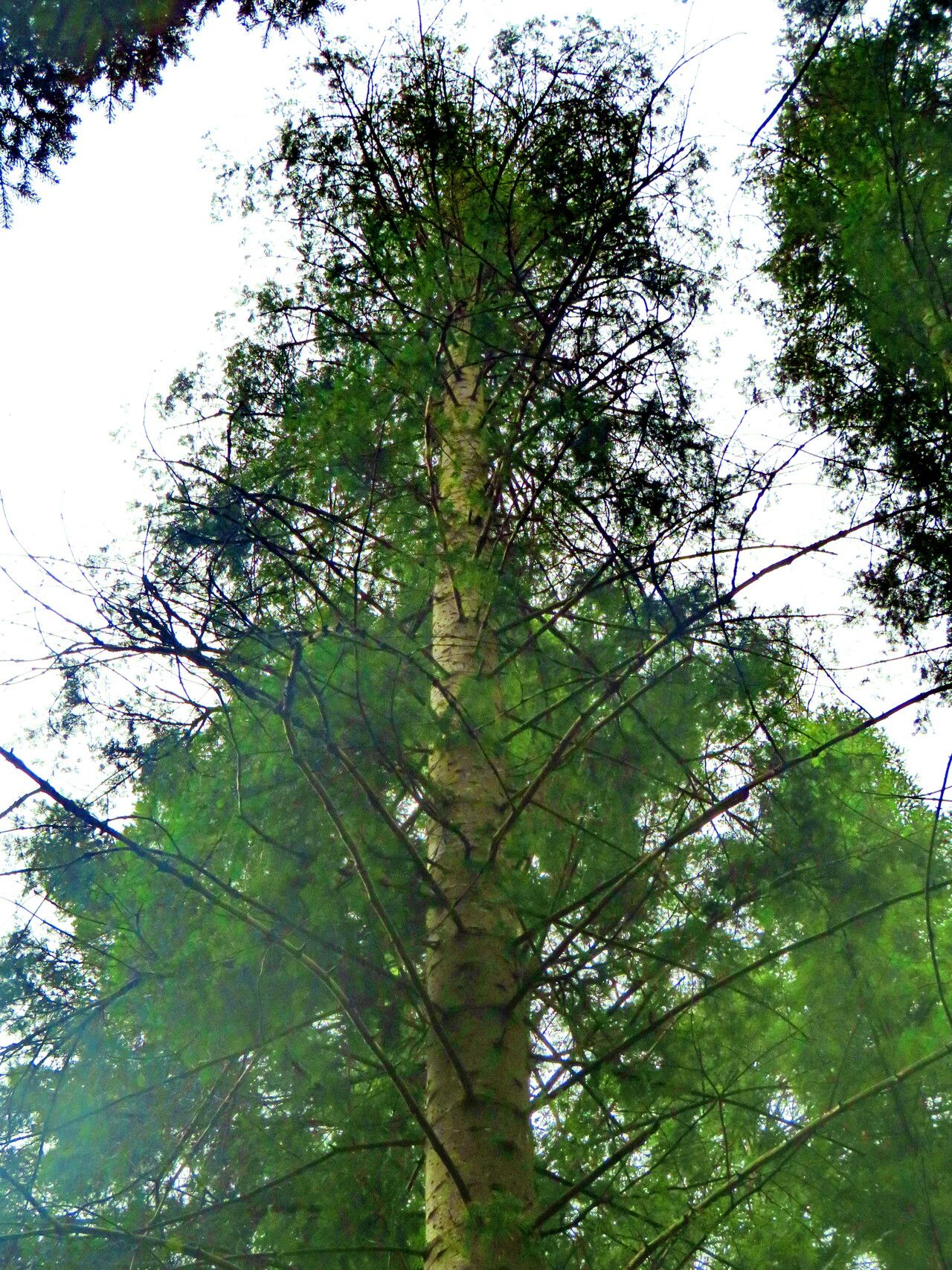
Propagating the Grand Fir: A Gardener’s Guide to Abies grandis
Introduction:
Abies grandis, commonly known as the Grand Fir, is a majestic conifer prized for its impressive size, striking silvery-green foliage, and pleasant fragrance. Native to the western United States and Canada, this species stands out among other firs due to its rapid growth rate and tolerance of a broader range of conditions than many of its relatives. Its popularity among landscapers and gardeners is undeniable, leading to a demand for propagation methods that go beyond simply purchasing established trees. However, propagating Grand Fir presents unique challenges, requiring patience and a detailed understanding of its specific needs.
Seed Germination:
Seed germination is a viable method for propagating Abies grandis, but it’s not without its difficulties. The primary challenge lies in the requirement for stratification – a period of cold, moist storage that mimics the natural winter conditions needed to break seed dormancy.
Challenges: Seeds often exhibit uneven germination rates, and germination may be slow, taking several weeks or even months. Seed viability can also be variable, depending on the source and storage conditions. Fungal diseases can easily affect seedlings in the germination phase.
Practical Tips: Collect seeds from healthy mature cones in the late autumn. Clean the seeds and stratify them by mixing them with moist peat moss or vermiculite and storing them in a refrigerator at approximately 3-5°C (37-41°F) for 60-90 days. After stratification, sow the seeds in a well-drained seed-starting mix, keeping the mix consistently moist but not waterlogged. Provide shade and maintain consistent temperature and humidity for successful germination.
Rewards: Seed propagation offers the advantage of genetic diversity, potentially leading to hardier and more adaptable plants. It is also a cost-effective method for large-scale propagation, should enough viable seeds be successfully collected and germinated.
Cuttings:
Currently, there are no known reliable methods for propagating Abies grandis from cuttings. The success rate is extremely low, due to the difficulty inducing rooting in the woody stems of this species. Hormonal treatments and sophisticated propagation techniques have shown little to no improvement in success.
Division:
Division is not a feasible propagation method for Abies grandis. This tree’s single, deeply rooted structure makes it impossible to divide successfully without causing severe damage and killing the plant.
Tissue Culture:
Tissue culture presents a promising, although technically demanding, method for propagating Abies grandis.
Challenges: Establishing sterile culture conditions is crucial to prevent contamination. The process requires specialized equipment, media, and aseptic techniques, along with specific hormonal treatments to stimulate shoot and root development. Successfully adapting protocols to this species may require extensive experimentation.
Practical Tips: This should be undertaken by those with experience in plant tissue culture. Appropriate protocols should specify the type of media, growth hormones, and environmental parameters required for this species.
Rewards: Tissue culture offers the potential for mass propagation of superior genetic material, producing many genetically identical plants efficiently. This allows for the rapid increase of desirable cultivars or select genotypes.
Conclusion:
Propagating Abies grandis presents numerous challenges, with seed germination offering the most readily accessible, albeit unpredictable, method. Cuttings and division are essentially infeasible. Tissue culture holds the greatest potential for large-scale and controlled propagation, but demands significant expertise and resources. Despite the difficulties, the reward of successfully cultivating this magnificent tree from seed or through tissue culture is immense, offering a unique sense of accomplishment and a direct connection to the natural world. Patience, attention to detail, and a willingness to learn from both successes and failures are key ingredients for any aspiring propagator of this grand conifer. Remember to always start small, experimenting to find what works best in your specific climate and conditions.