Propagating the Spanish Fir (Abies pinsapo): A Gardener’s Challenge
Introduction
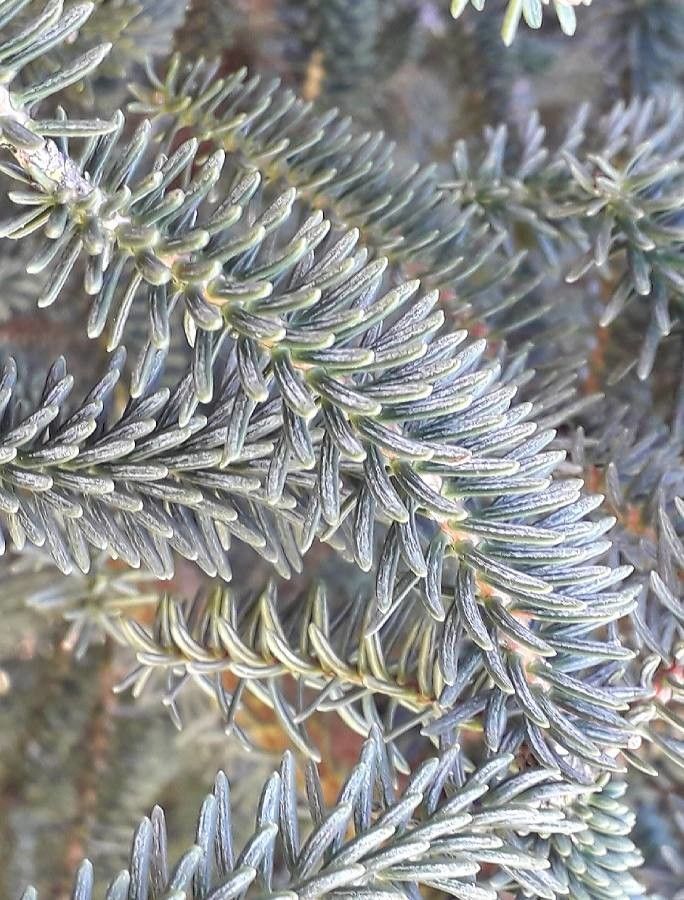
Abies pinsapo, commonly known as the Spanish fir, is a striking evergreen conifer prized for its unique, upright, almost spiky habit and beautiful, dark green needles arranged radially around the twigs. Native to the mountains of southern Spain and Morocco, its popularity among gardeners is growing, driven by its aesthetic appeal and relative drought tolerance once established. However, propagating this species presents several challenges, making successful cultivation a particularly rewarding experience. Unlike some easily-propagated conifers, the Spanish fir presents unique hurdles across various propagation techniques.
Seed Germination:
Seed germination is a viable, albeit challenging, method for propagating Abies pinsapo. The primary challenge lies in the seed’s dormancy and the need for stratification. Freshly collected seeds are crucial; older seeds have significantly lower germination rates.
Challenges: Seed dormancy requires a period of cold, moist stratification. Improper stratification can lead to poor or no germination. Furthermore, fungal infection can be a significant issue during germination, requiring sterile sowing media and potentially fungicides.
Practical Tips: Seeds should undergo a period of cold stratification for 2-4 months, ideally at temperatures between 2-5°C (35-41°F). Sow seeds in a well-draining seed-starting mix, maintaining consistent moisture. A light covering of vermiculite can help retain moisture and protect the seeds. Ensure good ventilation to prevent fungal growth.
Rewards: Successful seed germination yields genetically diverse seedlings, which increases the resilience and adaptability of the population. This method also holds potential for large-scale propagation, especially for conservation efforts.
Cuttings:
Cuttings present a more difficult path to successfully propagating Abies pinsapo. While some sources suggest softwood cuttings may work, the success rate is considerably low.
Challenges: Spanish firs are notoriously difficult to root from cuttings. The low success rate is attributed to a combination of factors, including low inherent rooting capacity and susceptibility to fungal diseases.
Practical Tips: While some gardeners experiment with hormone application and mist propagation, success remains inconsistent and largely anecdotal. High humidity and precise temperature control are essential, even with the use of rooting hormones.
Rewards: If successful, cuttings offer the advantage of producing clones of the parent tree, maintaining desired characteristics. However, this method is generally not efficient or reliable for large scale propagation.
Division:
Division is not a practical method for propagating Abies pinsapo. The species’ taproot system and generally solitary growth habit make division virtually impossible without severe damage to the plant.
Challenges: The large, deep root systems ingrained in the soil make division infeasible. Attempting it would likely kill the parent plant.
Practical Tips: There are no viable practical tips as division is not a suitable method.
Rewards: None applicable.
Tissue Culture:
Tissue culture, while technically feasible, remains a complex and specialized approach requiring advanced laboratory equipment and expertise.
Challenges: Establishing sterile cultures and overcoming the challenges of successful shoot multiplication and rooting is technically challenging and costly. Specialized knowledge and resources are essential.
Practical Tips: This technique is best left to professional nurseries and laboratories specializing in conifer propagation.
Rewards: Tissue culture offers the potential for mass production of genetically identical plants, invaluable for conservation and commercial propagation.
Conclusion:
Propagating Abies pinsapo presents a unique set of challenges across all common methods. Seed germination offers the best chance for long-term success and genetic diversity, but requires patience, attention to detail, and an understanding of stratification techniques. Cuttings are generally unsuccessful, while division and propagation via layering are impractical. Tissue culture is a viable method, but accessible only to professionals.
The difficulty involved only serves to heighten the sense of accomplishment derived from successfully growing a Spanish fir from seed or, far more rarely, from a cutting. The unique character of this beautiful conifer makes the effort well worthwhile for the patient and determined gardener. For aspiring propagators, starting with seeds and focusing on meticulous stratification and fungal disease prevention offers the most promising path to success. Remember that patience and persistence are key to overcoming the challenges inherent in cultivating this remarkable species.