Propagating Abronia gracilis: The Sand Verbena’s Secrets
Introduction:
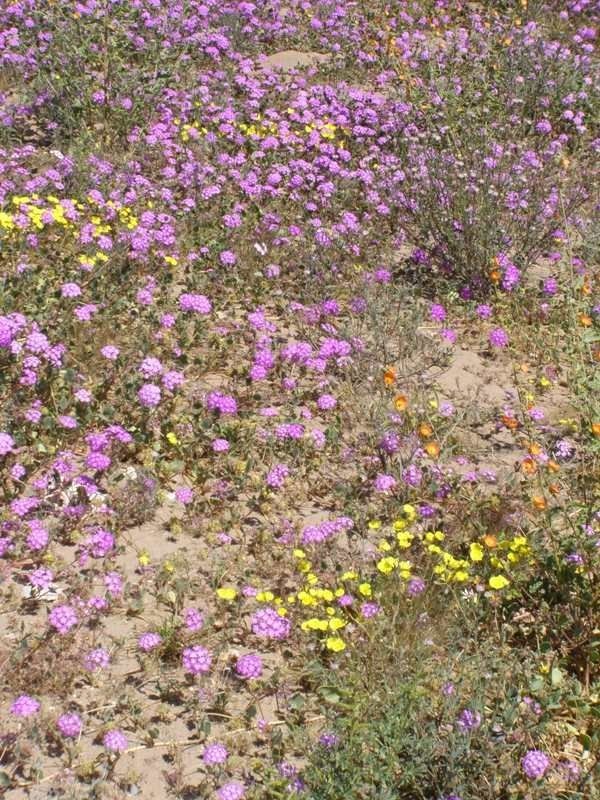
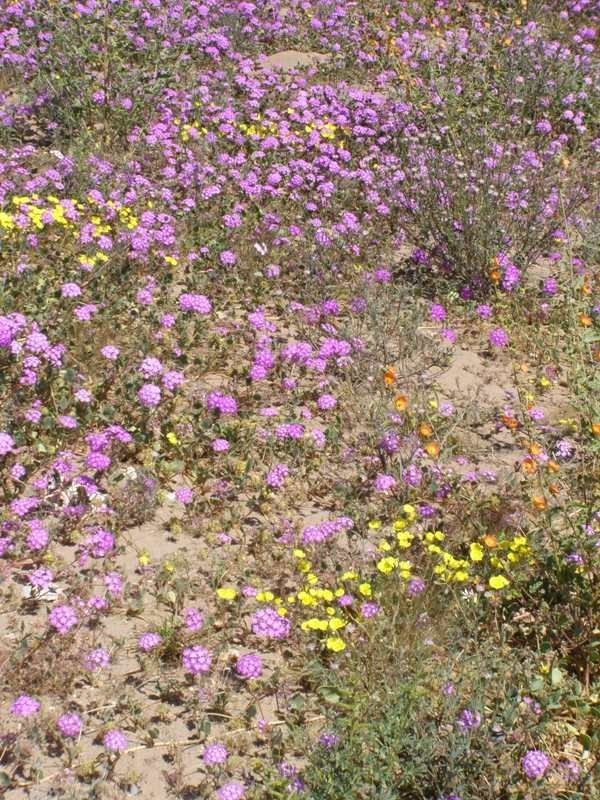
Abronia gracilis, commonly known as Sand Verbena, is a charming, low-growing perennial boasting vibrant, fragrant flowers in shades of pink, red, white, and yellow. Its sprawling habit and tolerance of poor soils make it a popular choice for rock gardens, groundcover, and even container gardening. Its popularity among gardeners stems from its drought tolerance, attractive blooms, and the overall ease of its care, once established. However, propagation presents some unique challenges, making successful cultivation all the more rewarding.
Seed Germination:
Currently, there are no known reliable methods for seed germination propagation of Abronia gracilis. While seeds may be produced, their germination rate is notoriously low, and success is largely unpredictable. This lack of reliable seed germination limits the widespread propagation of specific cultivars and hinders large-scale commercial production.
Cuttings:
Cuttings offer a more reliable method for propagating Abronia gracilis.
Challenges: The success of cuttings depends heavily on timing and technique. Taking cuttings from actively growing shoots in spring or early summer is crucial. Using semi-hardwood cuttings (taken from stems that have matured slightly but are still somewhat pliable) yields the best results.
Practical Tips: Cuttings should be about 4-6 inches long, taken just below a node. Remove lower leaves to prevent rotting, and dip the cut ends in a rooting hormone powder to stimulate root development. Plant the cuttings in a well-draining propagation mix (a blend of perlite and potting soil works well), ensuring good humidity through covering with a plastic bag or humidity dome. Maintain consistent moisture but avoid overwatering.
Rewards: Cuttings offer a quicker route to new plants than other methods, and they preserve the genetic characteristics of the parent plant, ensuring identical offspring. This makes it ideal for propagating desirable cultivars.
Division:
Division is another viable propagation method for Abronia gracilis, particularly for established plants.
Challenges: This method requires an established plant with well-developed root systems. Dividing the plant too early can weaken or damage it.
Practical Tips: The best time to divide Abronia gracilis is in spring or fall, when the plant is actively growing or entering dormancy. Carefully dig up the entire plant, gently separating the root system into several smaller divisions, each with its own healthy root mass and several stems. Replant these divisions in well-prepared soil, ensuring adequate spacing.
Rewards: Division is relatively simple and highly successful, quickly expanding your collection of Sand Verbena. It also helps to rejuvenate older plants that might be becoming crowded or less vigorous.
Tissue Culture:
While not commonly practiced for home propagation, tissue culture offers a potential method for large-scale propagation of Abronia gracilis.
Challenges: Tissue culture requires specialized equipment, sterile conditions, and a fundamental understanding of plant tissue culture techniques. It’s a more complex and expensive method compared to cuttings or division.
Practical Tips: Sterile techniques are essential. The use of appropriate growth media and plant hormones is crucial for optimal shoot multiplication and root induction. Detailed protocols for Abronia gracilis tissue culture are likely not readily available, requiring experimentation and perhaps professional assistance.
Rewards: Tissue culture allows for the rapid propagation of a large number of plants from a small amount of starting material. This technique provides the possibility for disease-free plants and the potential to preserve rare or endangered varieties.
Conclusion:
Propagating Abronia gracilis presents both challenges and rewards. While seed germination proves unreliable, cuttings and division offer readily accessible techniques for successful propagation. Tissue culture holds potential for large-scale production but demands specialized knowledge and resources. The satisfaction derived from overcoming the propagation challenges and observing the growth of this beautiful plant, from a small cutting or division to a thriving patch, far outweighs the initial difficulties. For aspiring propagators, remember patience and persistence are key, especially with cuttings; don’t be discouraged by initial setbacks. With careful attention to detail and the appropriate techniques, you can successfully cultivate this delightful addition to your garden.