
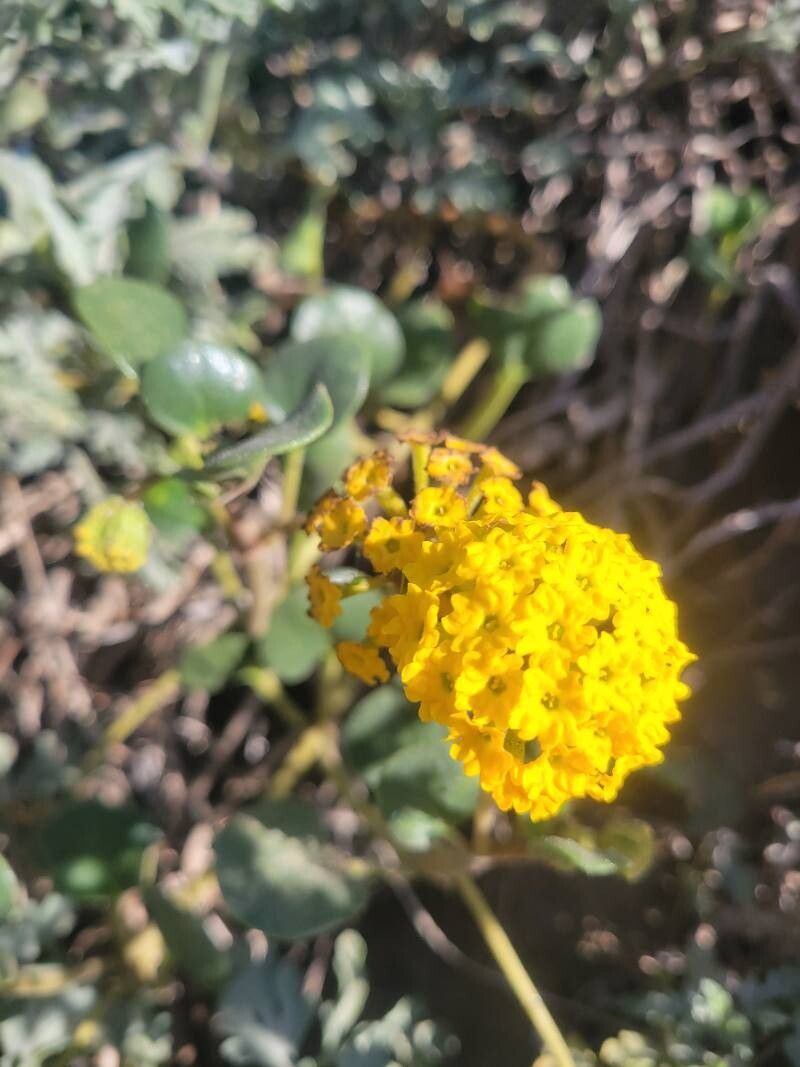
Propagating Sand Verbena (Abronia latifolia): A Gardener’s Guide
Introduction:
Abronia latifolia, commonly known as Sand Verbena, is a captivating flowering plant prized for its vibrant, fragrant flowers and sprawling habit. Its ease of cultivation in well-drained soils and adaptability to various conditions have cemented its popularity among gardeners. However, propagation can present some unique challenges. While its attractive flowers and drought tolerance make it a desirable addition to any garden, successfully multiplying this species requires understanding its propagation quirks. The rewards, though, are well worth the effort, especially the satisfaction of nurturing a plant from scratch.
Seed Germination:
Currently, there are no known reliable methods for seed germination propagation of Abronia latifolia. While the plant does produce seeds, their germination rate is notoriously low, and consistent success remains elusive even for experienced propagators. Factors such as seed dormancy and the specific environmental conditions required for germination have yet to be fully defined.
Cuttings:
Cuttings offer a more reliable method for propagating Abronia latifolia than seed germination.
Challenges: The success rate depends on several factors, including the age and type of cutting, the timing, and the environmental conditions. Using too-soft or too-hardwood cuttings can reduce success. Rotting can also be a problem if appropriate drainage and moisture levels aren’t maintained.
Practical Tips: Take semi-hardwood cuttings, about 4-6 inches long, from non-flowering stems in late spring or early summer. Remove lower leaves to prevent rotting, and dip the cut ends in rooting hormone. Plant the cuttings in a well-draining, sterile propagation mix (e.g., perlite and vermiculite) and keep them consistently moist but not waterlogged. High humidity, achieved with a plastic dome or humidity tray, will greatly improve rooting success.
- Rewards: Cuttings offer a faster propagation method than seed germination and preserve the exact genetic characteristics of the parent plant.
Division:
Division is a straightforward method for propagating established Abronia latifolia plants.
Challenges: Division is only feasible for mature plants that have developed a substantial root system. Care must be taken during the process to avoid damaging the roots, which can hinder establishment.
Practical Tips: The best time for division is during the spring or early autumn when the plant is actively growing or starting to go dormant. Carefully dig up the plant, separating it into smaller sections ensuring each section has healthy roots and foliage. Replant the divisions immediately in well-drained soil, ensuring they are watered thoroughly.
- Rewards: This method provides a quick and reliable way to increase the number of plants, particularly when dealing with larger, mature specimens.
Tissue Culture:
Tissue culture offers the potential for large-scale propagation of Abronia latifolia, but it’s a technique typically reserved for commercial nurseries or research laboratories.
Challenges: Tissue culture requires specialized equipment, a sterile environment, and knowledge of plant tissue culture techniques. Developing an effective protocol for Abronia latifolia may require significant experimentation.
Practical Tips: This method is not suitable for home propagation.
- Rewards: Tissue culture can produce a large number of genetically identical plants quickly and efficiently. It’s also useful for preserving rare or endangered cultivars.
Conclusion:
Propagating Abronia latifolia presents distinct challenges across all methods. While seed germination remains unreliable, cuttings and division offer practical approaches for the home gardener, with cuttings presenting a higher rate of success. Tissue culture, although highly efficient, remains outside the scope of the average hobbyist. Despite the hurdles, the reward of successfully nurturing a Sand Verbena from a cutting or by division speaks to the resilience of the plant and the perseverance of the grower. The unique satisfaction lies not just in the beautiful blooms but also in overcoming the challenges and witnessing the plant thrive as a testament to your efforts. For aspiring propagators, patience, careful attention to detail, and a thorough understanding of the plant’s needs are key to success. Don’t be discouraged by initial setbacks – keep experimenting, and the vibrant beauty of the Sand Verbena will be a well-earned reward.