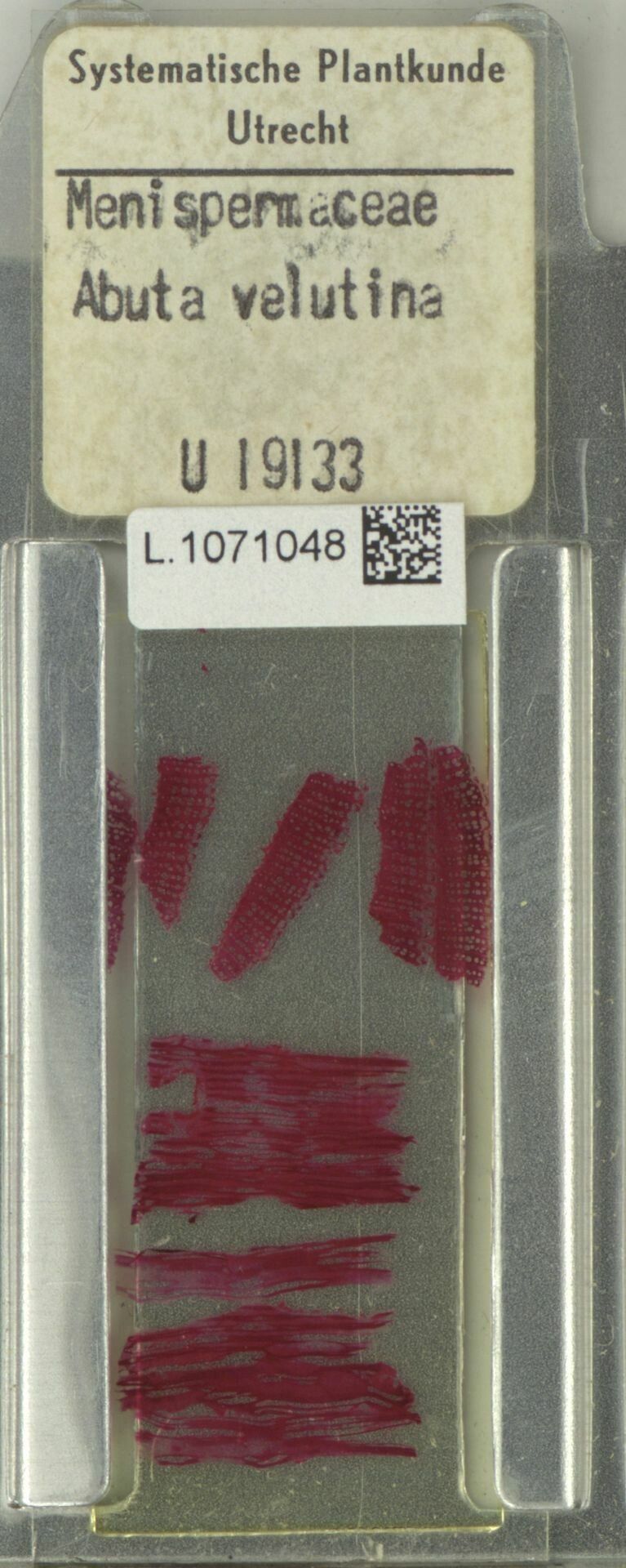
Propagating Abuta velutina: A Gardener’s Challenge
Abuta velutina, also known as the velvet abuta or sometimes just abuta, is a fascinating vine prized by horticulturists for its attractive foliage and unique features. The vine boasts heart-shaped, velvety leaves, offering a textural contrast in the garden, and can contribute to a lush, tropical aesthetic. Its relatively uncommon nature and challenging propagation contribute to its desirability among plant enthusiasts. While acquiring established plants can be difficult, the rewarding journey of propagating this vine offsets the challenges.
Seed Germination:
Currently, there are no known reliable methods for seed germination propagation of Abuta velutina. Research into its reproductive biology is limited, and germination success, if any, has not been documented in readily available horticultural literature. This lack of information suggests that seed germination may be highly challenging or even improbable without extensive scientific investigation.
Cuttings:
Propagation through stem cuttings offers a potentially more viable route. However, challenges still exist.
Challenges: Abuta velutina cuttings can be slow to root, and success rates are likely lower than with easier-to-propagate vines. The velvety leaves may be prone to fungal infections during the rooting process, requiring careful attention to hygiene and humidity control.
Practical Tips: Semi-hardwood cuttings, taken in late summer or early autumn, are likely the best option. Using a rooting hormone increases the chances of success. Propagation should be done under high humidity conditions, ideally in a propagator or humidity dome, with bottom heat to stimulate root development. A well-draining rooting medium, such as a perlite and peat moss mix, is recommended.
- Rewards: Successful propagation from cuttings allows for the creation of genetically identical plants, preserving desirable traits. This method is also relatively simple compared to other techniques, requiring less specialized equipment.
Division:
Division of established plants is another possible method, but its viability depends heavily on the size and maturity of the plant.
Challenges: Abuta velutina does not readily lend itself to division. Its root system may be fragile, and dividing it could severely damage or kill the parent plant. Additionally, the availability of mature plants large enough to divide is limited.
Practical Tips: If attempting division, it’s critical to ensure each division possesses a healthy portion of root system and ample foliage. The divisions should be potted separately in a well-draining medium, kept moist, and shielded from excessive sunlight until they re-establish themselves.
- Rewards: This method offers a potentially quick way to increase the number of plants from a single, established specimen.
Tissue Culture:
Tissue culture propagation is a more technologically advanced technique potentially suitable for Abuta velutina.
Challenges: This method requires specialized equipment, a clean laboratory environment, and expertise in plant tissue culture techniques. It is resource-intensive and likely expensive. Moreover, identifying suitable media and growth regulators for Abuta velutina would require specific research.
Practical Tips: Research on optimal media composition, growth regulators, and sterilization protocols would be necessary before attempting tissue culture. Collaborating with a plant tissue culture laboratory could prove beneficial.
- Rewards: Tissue culture offers the potential for large-scale propagation and rapid multiplication of desirable varieties. It also reduces the risk of disease transmission compared to other methods.
Conclusion:
Propagating Abuta velutina presents several challenges, with stem cuttings offering the most realistic approach for home gardeners. Seed germination is currently unproven, division is difficult and risky, and tissue culture requires significant resources and expertise. The rewards—the unique beauty and satisfaction of nurturing this challenging plant from a cutting to a thriving vine—make the effort worthwhile for dedicated propagators. Patience, persistence, and careful attention to detail are key to success. Don’t be discouraged by initial setbacks; the journey of cultivating this special plant is as rewarding as the eventual success.