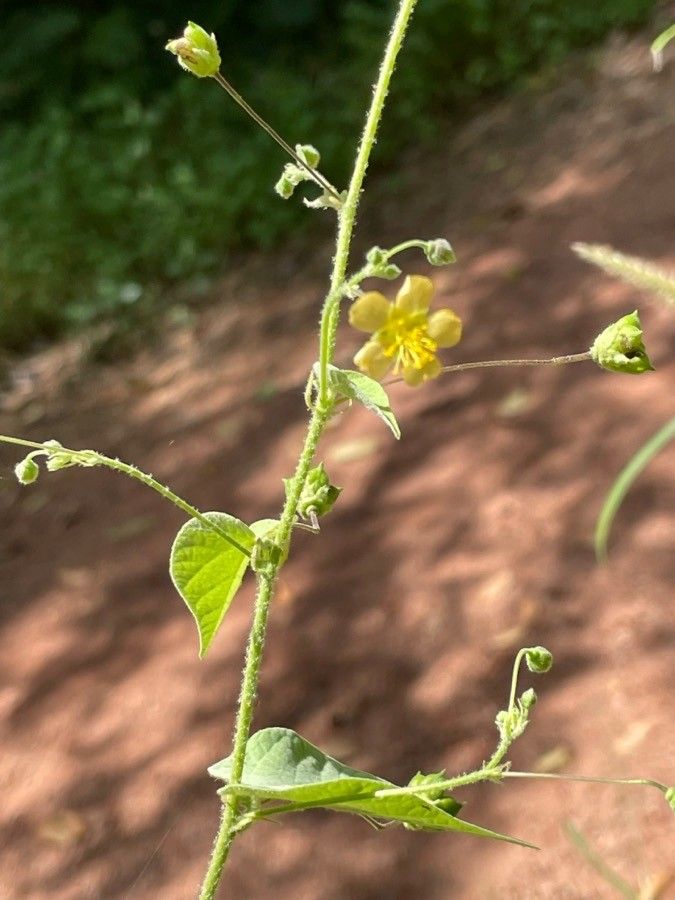
Propagating the Charming Abutilon abutiloides: A Gardener’s Guide
Introduction:
Abutilon abutiloides, sometimes known as the trailing abutilon or weeping abutilon, is a captivating plant prized for its cascading habit and delicate, bell-shaped flowers. Its relatively low maintenance requirements and tolerance of various conditions make it a popular choice among gardeners, particularly those seeking a graceful, flowering addition to hanging baskets, containers, or as a groundcover. However, propagating this charming plant presents some unique challenges. This article will explore the various methods available, highlighting their feasibility and offering practical advice.
Seed Germination:
Currently, there are no known reliable methods for seed germination propagation of Abutilon abutiloides. While the plant produces seeds, germination rates are exceptionally low, even under optimal conditions. Further research is needed to determine if specific pre-treatment techniques (such as scarification or stratification) might improve germination success.
Cuttings:
Cuttings represent the most reliable method for propagating Abutilon abutiloides.
Challenges: While successful, rooting cuttings can be slow and require attention to detail. Using older, semi-hardwood cuttings may improve success rates.
Tips: Take 4-6 inch cuttings from healthy, non-flowering stems in spring or early summer. Remove lower leaves, dip the cut ends in rooting hormone, and plant them in a well-draining mix, such as a blend of peat moss and perlite. Maintain consistently moist (but not soggy) conditions, using a humidity dome or propagating tray to increase humidity levels. Rooting typically takes several weeks to a couple of months. Bottom heat can also significantly speed up root development.
Rewards: Cuttings offer a straightforward way to create genetically identical copies of the mother plant, ensuring you replicate its desirable traits. This is particularly valuable if you have a particularly stunning variety.
Division:
Division is a viable propagation method for Abutilon abutiloides, but only for established, well-rooted plants.
Challenges: Care needs to be taken to avoid damaging the root system during separation. Overly aggressive division can stress the plant, reducing its chances of survival.
Tips: Divide the plant in spring or early autumn, when the plant is actively growing. Carefully dig up the entire plant and gently separate it into smaller sections, ensuring each section has sufficient roots and foliage. Replant the divisions immediately in well-draining potting mix or directly into the garden. Water gently to help the plants settle.
Rewards: Division provides a rapid means of increasing the number of plants, and each division retains the identical genetic makeup of the parent plant.
Tissue Culture:
Tissue culture propagation is theoretically possible for Abutilon abutiloides, but it’s a highly specialized and technically challenging method.
Challenges: This method requires a sterile laboratory environment and specialized skills and equipment, making it unsuitable for the average home gardener. Establishing sterile cultures and optimizing growth media are significant hurdles.
Tips: This method is best left to experienced tissue culture laboratories.
Rewards: Tissue culture allows for the mass production of clones, disease-free plants, and potentially the preservation of rare varieties.
Conclusion:
While seed propagation remains unreliable for Abutilon abutiloides, cuttings and division offer viable and relatively accessible methods for the home gardener. Cuttings provide a consistent and dependable approach, albeit a slightly slower one, while division offers a more rapid increase in plant numbers, though it carries a slightly higher risk. Tissue culture remains an advanced technique best suited for professionals.
The unique satisfaction of successfully propagating Abutilon abutiloides lies in overcoming the challenges inherent in the process. The patience and attention to detail required are handsomely rewarded with the privilege of sharing this beautiful plant’s charms with others or expanding your own collection. Don’t be discouraged by initial setbacks; persevere, learn from your experiences, and you will eventually revel in the beauty of your successful propagation efforts. Remember to choose a method that suits your experience level and available resources.