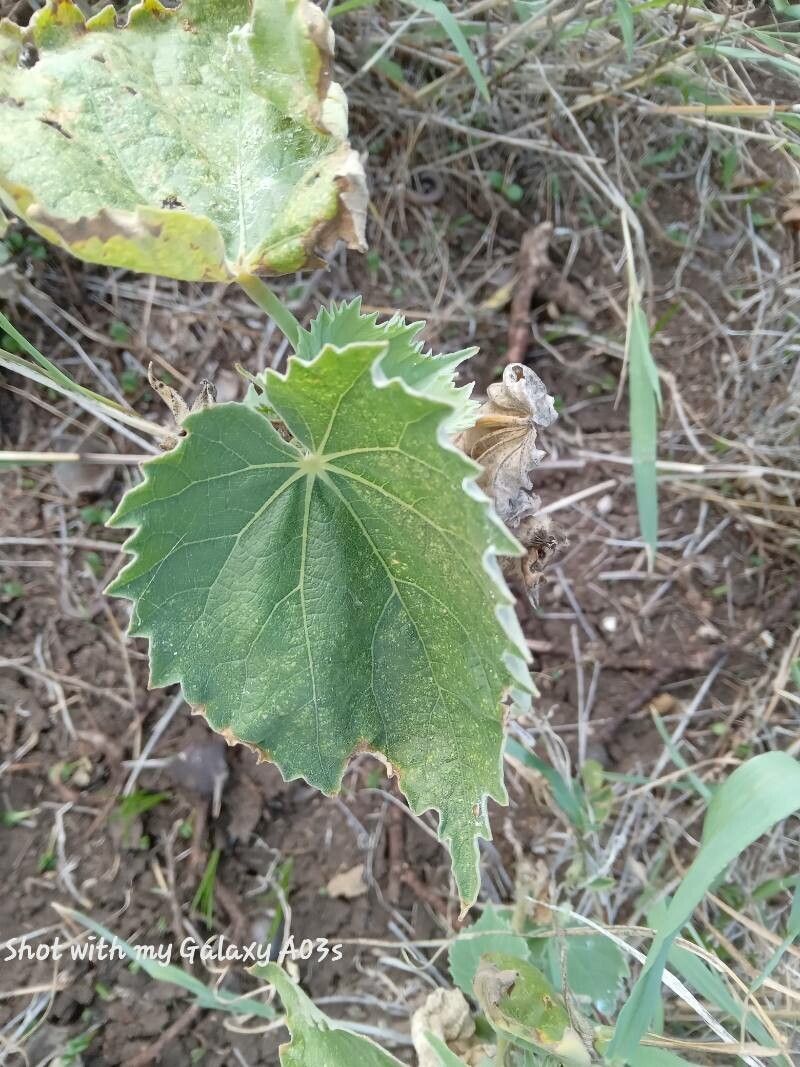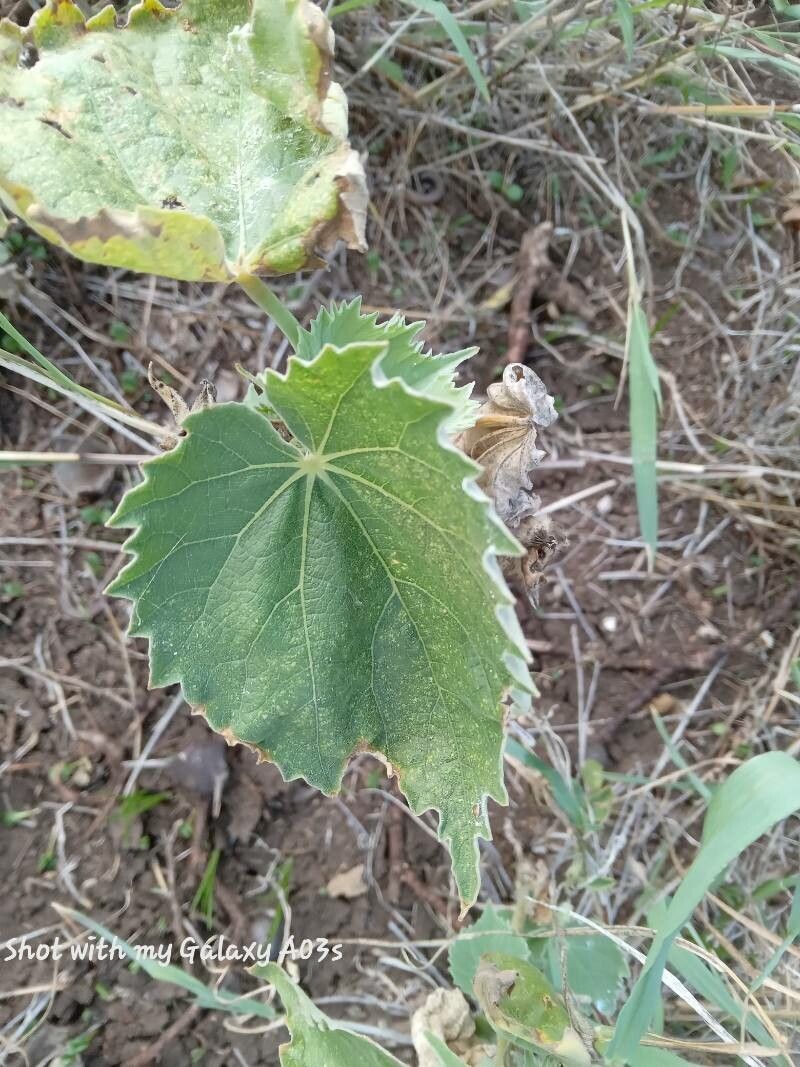
Propagating the Flowering Maple: A Guide to Growing Abutilon grandiflorum
Abutilon grandiflorum, commonly known as the Flowering Maple, is a captivating shrub prized for its abundant, pendulous blooms in shades of red, orange, and yellow. Its graceful, maple-like leaves and relatively easy care contribute to its popularity among gardeners. However, propagation, while achievable, presents unique challenges and rewards depending on the chosen method. The plant’s potential for genetic diversity through seed propagation and its relatively straightforward propagation via cuttings make it a rewarding subject for the enthusiastic home grower.
Seed Germination:
Currently, there are no known reliable methods for seed germination propagation of Abutilon grandiflorum. While seeds may be produced, germination rates are notoriously low, and seedlings often exhibit weak growth or fail to thrive. The complexities involved in replicating the plant’s natural germination conditions, likely involving specific mycorrhizal associations and soil conditions, render seed propagation impractical for most home gardeners.
Cuttings:
Cuttings are the most reliable and widely used method for propagating Abutilon grandiflorum.
Challenges: While successful, rooting cuttings can be inconsistent. Older, woody stems root less readily than young, semi-hardwood growth. Overwatering or fungal infections can also hinder rooting.
Tips: Take 4-6 inch cuttings from new growth in spring or early summer. Remove lower leaves, dip the cut ends in rooting hormone, and plant in a well-draining potting mix. Maintain consistently moist but not soggy conditions, providing bottom heat (around 70-75°F) for optimal root development. Use a humidity dome or plastic bag to maintain high humidity.
Rewards: Cuttings offer a high success rate compared to other methods, resulting in genetically identical plants to the mother plant. This is particularly valuable when propagating a desirable cultivar.
Division:
Division is a viable method for propagating Abutilon grandiflorum, particularly for established plants.
Challenges: Division is only suitable for mature, well-established plants with multiple stems. Care must be taken to avoid damaging the root system during separation. Each division requires a sufficiently large root mass to ensure survival.
Tips: Divide the plant in early spring or late autumn. Gently separate the root ball into sections, ensuring that each division has its own set of roots and several stems. Plant the divisions in well-draining soil and provide regular watering until they are established.
Rewards: Division is a relatively quick and easy method to increase the number of plants, particularly beneficial for larger, established specimens.
Tissue Culture:
Tissue culture offers the potential for large-scale propagation of Abutilon grandiflorum, creating countless identical plants from a small sample of plant tissue.
Challenges: Tissue culture requires specialized equipment, a sterile environment, and specific nutrient media. It’s a technically demanding method requiring considerable skill and knowledge. Contamination can easily ruin an entire batch of cultures.
Tips: This method is best left to professionals or experienced tissue culture enthusiasts. Sterile techniques are crucial to avoid contamination.
Rewards: Tissue culture offers the potential for mass production of genetically identical plants, ideal for commercial propagation or producing disease-free stock.
Conclusion:
Propagating Abutilon grandiflorum presents different levels of challenge depending on the chosen method. While seed propagation is impractical, cuttings offer a reliable and accessible approach for home gardeners. Division is useful for established plants, and tissue culture, though technically demanding, provides significant potential for large-scale production. The satisfaction of nurturing a cutting into a flourishing Flowering Maple, overcoming the challenges of propagation, is a reward in itself. The unique charm of this plant, combined with the fulfillment of successfully propagating it, makes the endeavour worthwhile for any aspiring plant enthusiast. Don’t be discouraged by initial setbacks – persevere, experiment, and enjoy the process of bringing these beautiful plants to life.