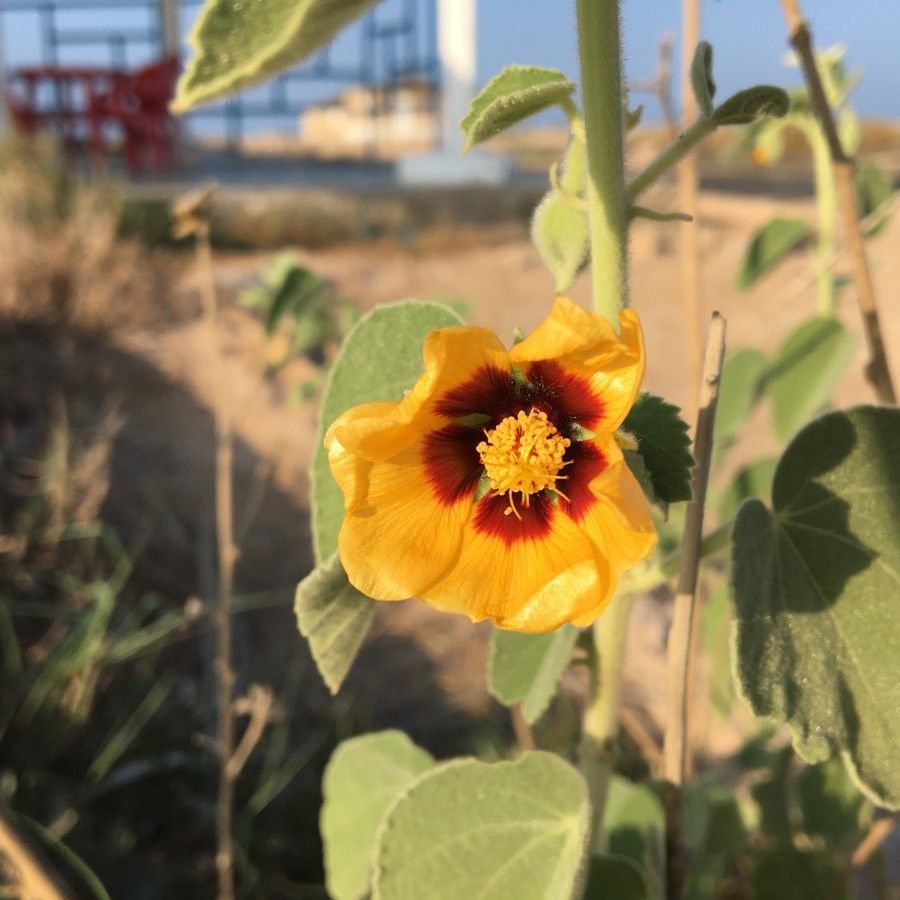
Propagating Abutilon hirtum: Exploring Methods for the Velvetleaf Mallow
Abutilon hirtum, commonly known as velvetleaf mallow or Indian mallow, is a captivating flowering shrub appreciated for its velvety foliage and striking, pendulous blooms in shades of orange, red, and yellow. Its relatively easy cultivation and charming appearance have earned it a place in many gardens worldwide. However, propagating this beautiful plant presents unique challenges and rewards, depending on the chosen method. This article explores various propagation techniques, outlining their feasibility and offering practical advice for aspiring cultivators.
Seed Germination:
Currently, there are no known reliable methods for seed germination propagation of Abutilon hirtum. While seeds may be produced, germination rates are notoriously low and inconsistent, making this method impractical for most home gardeners. Further research into specific seed treatment or environmental conditions might be needed to overcome this hurdle.
Cuttings:
Cuttings offer a far more reliable method for propagating Abutilon hirtum.
Challenges: Success depends on taking cuttings at the right time and employing proper rooting techniques. Use of rooting hormone significantly improves success rates.
Practical Tips: Take semi-hardwood cuttings (partially matured but not completely woody) in spring or summer. Select healthy stems, 4-6 inches long, with several nodes. Remove lower leaves, dip the cut end in rooting hormone, and plant in a moist, well-draining propagation mix (e.g., a blend of peat moss and perlite). Maintain high humidity (using a humidity dome or plastic bag) and provide bright, indirect light. Root formation usually takes 4-6 weeks.
Rewards: Cuttings provide a quicker and more certain method of obtaining new plants, preserving the exact characteristics of the parent plant. It’s an ideal method for home gardeners needing a small number of plants.
Division:
Division is a viable option for propagating established Abutilon hirtum plants.
Challenges: This method is only feasible for mature plants with well-developed root systems. Dividing the plant improperly can damage the roots and negatively impact the health of both parent and offspring plants.
Practical Tips: Divide the plant in spring or early autumn when the plant is actively growing. Carefully dig up the plant and gently separate the root ball into smaller divisions, ensuring each division has sufficient roots and stems. Replant the divisions in well-prepared soil and water thoroughly.
Rewards: Division is a relatively straightforward method that can quickly increase the number of plants. It avoids the sometimes unpredictable results of seed germination or cuttings.
Tissue Culture:
Tissue culture is a highly specialized method suitable for large-scale propagation or for the preservation of rare or endangered cultivars.
Challenges: Tissue culture requires specialized equipment, a sterile environment, and considerable expertise. It’s a far more expensive and complex method than cuttings or division.
Practical Tips: This method necessitates a laboratory setting and skilled personnel. Sterile techniques are crucial to avoid contamination. Explants (small sections of plant tissue) are cultured on a nutrient medium under controlled conditions to induce callus formation and subsequent shoot and root development.
Rewards: Tissue culture allows for rapid and large-scale propagation of genetically identical plants, ensuring disease-free stock and preserving desirable traits.
Conclusion:
Propagating Abutilon hirtum presents varying degrees of challenge depending on the chosen method. While seed germination remains unreliable, cuttings offer a readily accessible and successful technique for home gardeners. Division is useful for established plants, and tissue culture provides a solution for large-scale operations. The satisfaction of successfully nurturing these velvety plants from cuttings or divisions, after overcoming the initial hurdles, is immensely rewarding, highlighting the unique bond between gardener and plant. The perseverance required emphasizes the connection between patience, skill, and the beauty of the natural world. Don’t be disheartened by initial setbacks – with diligent effort and the right technique, you can successfully propagate this beautiful plant and enjoy its charm in your garden for years to come.