
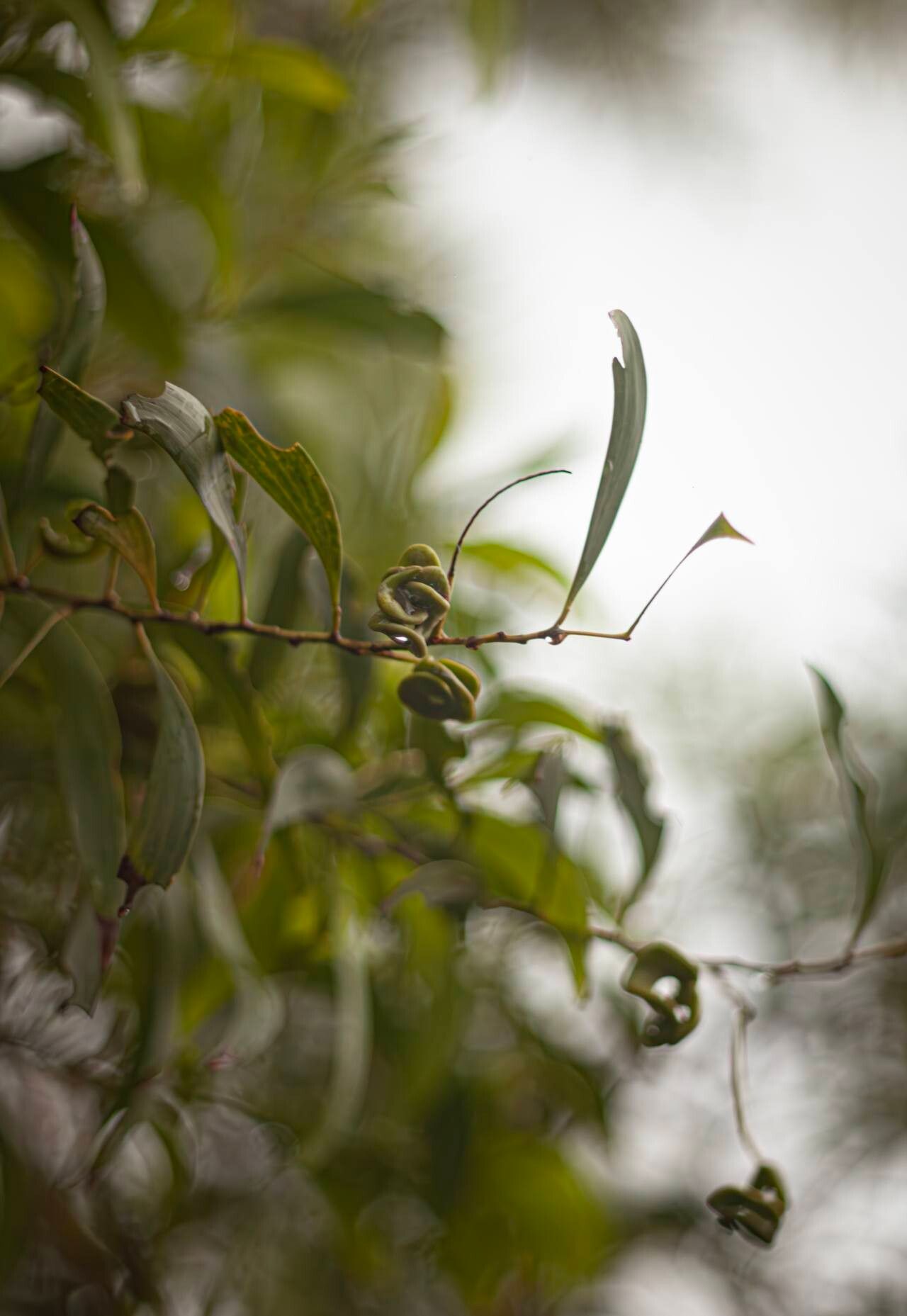
Propagating the Earleaf Acacia: A Gardener’s Guide to Acacia auriculiformis
Introduction:
Acacia auriculiformis, commonly known as the earleaf acacia, is a fast-growing, medium-sized tree prized for its attractive foliage, fragrant flowers, and tolerance of various soil types and climatic conditions. Its adaptability makes it a popular choice among gardeners, particularly in tropical and subtropical regions. However, its propagation presents unique challenges compared to other plant species. This article explores various propagation methods for earleaf acacia, outlining both their potential and limitations.
Seed Germination:
Seed germination is a viable method for propagating Acacia auriculiformis. However, it presents several challenges. The seeds possess a hard seed coat, which inhibits water uptake and germination. This necessitates pre-treatment to break dormancy.
Challenges: Hard seed coat, slow germination rate.
Practical Tips:
- Scarification: The most effective method is mechanical scarification, which involves nicking or filing the seed coat to allow water penetration. Soaking the seeds in hot water (approximately 80°C) for a short period (e.g., 1-2 minutes) can also assist in softening the seed coat. Avoid boiling, as this can damage the embryo.
- Sowing Techniques: Sow seeds in well-drained seed-raising mix. Maintain consistently moist (but not waterlogged) conditions. A warm environment (around 25-30°C) is beneficial.
- Stratification: While not strictly necessary, stratification (cold treatment) for a short period might improve germination rates in some cases.
Rewards: Seed propagation allows for the generation of a large number of seedlings, promoting genetic diversity. This is crucial for maintaining the species’ resilience to diseases and environmental changes.
Cuttings:
Cuttings are a moderately successful method for propagating Acacia auriculiformis.
Challenges: Relatively low success rate compared to seed propagation; requires precise technique and suitable rooting hormone.
Practical Tips:
- Timing: Take semi-hardwood cuttings in spring or early summer. Use cuttings from healthy, actively growing shoots.
- Preparation: Dip the cut ends in rooting hormone powder before planting.
- Planting Medium: Use a well-draining mix containing perlite or vermiculite. Maintain high humidity using a humidity dome or plastic bag.
- Environment: Keep cuttings in a warm, shaded location.
Rewards: Cuttings can produce genetically identical plants, preserving desirable traits. It can be faster than seed germination for some individuals.
Division:
Division is largely unsuitable for propagating Acacia auriculiformis. This is due to its tree-like habit and extensive root system.
Tissue Culture:
Tissue culture offers the potential for large-scale, rapid propagation of Acacia auriculiformis. However, it is a specialized technique requiring sterile laboratory conditions and expert knowledge.
Challenges: Requires sophisticated equipment and specialized skills; can be expensive.
Practical Tips: This technique is best left to experienced tissue culture labs. Specific protocols for Acacia auriculiformis may be available in research literature.
Rewards: Mass propagation to rapidly increase desirable individuals.
Conclusion:
Propagating Acacia auriculiformis presents several difficulties, and no single method guarantees success. Seed germination, while viable with careful seed treatment, can be slow. Cuttings provide an alternative but with variable success rates. Division is generally impractical. Tissue culture, although technically possible, is costly and requires specialized expertise.
The satisfaction derived from successfully cultivating this beautiful tree from seed or a cutting, however, is immense. Overcoming the challenges involved instills pride and deepens one’s appreciation for the plant. Persistence, meticulous attention to detail, and patience are key to success. For aspiring propagators, thorough research and experimentation are crucial. Starting with a readily available and well-known technique such as seed scarification and planting is a sensible first step before exploring more complex methods like tissue culture.