
Propagating Acacia confusa: Formosa Koa’s Journey from Seed to Sapling
Introduction:
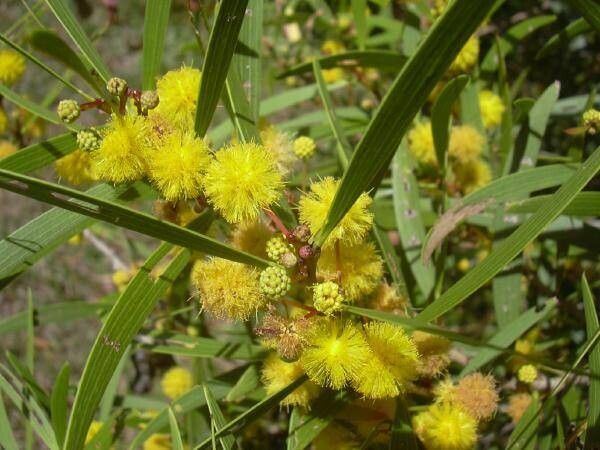
Acacia confusa, commonly known as Formosa koa or Formosan koa, is a striking evergreen tree prized for its attractive foliage, rapid growth, and fragrant flowers. Native to Taiwan and southern China, it’s gaining popularity among gardeners for its versatility, suitability for bonsai, and use in landscaping as a specimen tree or windbreak. However, its propagation isn’t always straightforward, presenting unique challenges to even experienced horticulturalists. This article explores various propagation methods for Acacia confusa, weighing the pros and cons of each.
Seed Germination:
Seed germination for Acacia confusa is possible but challenging. The hard seed coat often inhibits germination, requiring some form of pre-treatment. Challenges include: low germination rates even with pretreatment, potential fungal infections, and slow initial growth.
Practical Tips:
- Scarification: Soaking seeds in concentrated sulfuric acid for a short period (30-60 seconds), followed by thorough rinsing, effectively weakens the seed coat. Alternatively, nicking the seed coat with a file or sandpaper can be attempted, though this method risks damaging the embryo.
- Stratification: While not strictly required, a period of cold stratification (around 4°C for 4-6 weeks) may improve germination rates for some seed batches.
- Sowing: Sow seeds in a well-draining seed-starting mix, covering them lightly. Maintain consistent moisture and warmth (around 20-25°C).
- Rewards: Successfully germinating seeds offers the advantage of genetic diversity, potentially leading to hardier and more adaptable plants. It’s ideal for larger-scale propagation efforts.
Cuttings:
Propagation of Acacia confusa through cuttings is a more reliable method than seed germination. However, success depends on timing and technique.
Challenges:
- Hormone Dependence: Cuttings often require the use of rooting hormones to stimulate root development.
- Timing: Softwood cuttings taken in spring or early summer generally yield the best results.
- Disease: Cuttings are susceptible to fungal infections if not kept in a sterile environment and properly watered.
Practical Tips:
- Selection: Choose healthy, actively growing shoots approximately 10-15 cm long.
- Preparation: Remove lower leaves and dip the cut end in rooting hormone before planting.
- Environment: Plant cuttings in a well-draining substrate such as a mixture of perlite and peat moss, maintaining high humidity (e.g., using a propagation dome).
- Rewards: Cuttings offer a quicker and more predictable method of propagation compared to seeds, preserving the desirable characteristics of the mother plant.
Division:
Division is not a practical method for propagating Acacia confusa. This species doesn’t readily produce suckers or easily separable root systems making this method unsustainable.
Tissue Culture:
Tissue culture is a viable but specialized method for Acacia confusa propagation.
Challenges:
- Expertise: Tissue culture requires specialized equipment, sterile techniques, and a good understanding of plant tissue culture protocols.
- Cost: Setting up and maintaining a tissue culture lab can be expensive.
Practical Tips:
This is highly specialized – a detailed explanation is beyond the scope of this article. Success depends on the use of appropriate growth media and sterile techniques.
- Rewards: Allows for mass propagation of genetically identical plants, ideal for commercial production or maintaining specific desirable traits.
Conclusion:
Propagating Acacia confusa presents unique challenges across all methods. While seed germination offers genetic diversity but is laborious and has unpredictable results, cuttings provide a more reliable, albeit hormone-dependent, approach. Tissue culture remains the most efficient method for large-scale propagation but requires specialized skills and resources. The rewards of successfully nurturing a Acacia confusa from propagation, however, are substantial. The satisfaction of witnessing a tiny cutting transform into a thriving tree—or even a carefully nurtured seedling push through the soil—is a testament to the dedication and patience required, making the journey as rewarding as the destination itself. Aspiring propagators should consider their resources and objectives when choosing a method, remembering that patience and attention to detail are key to success.