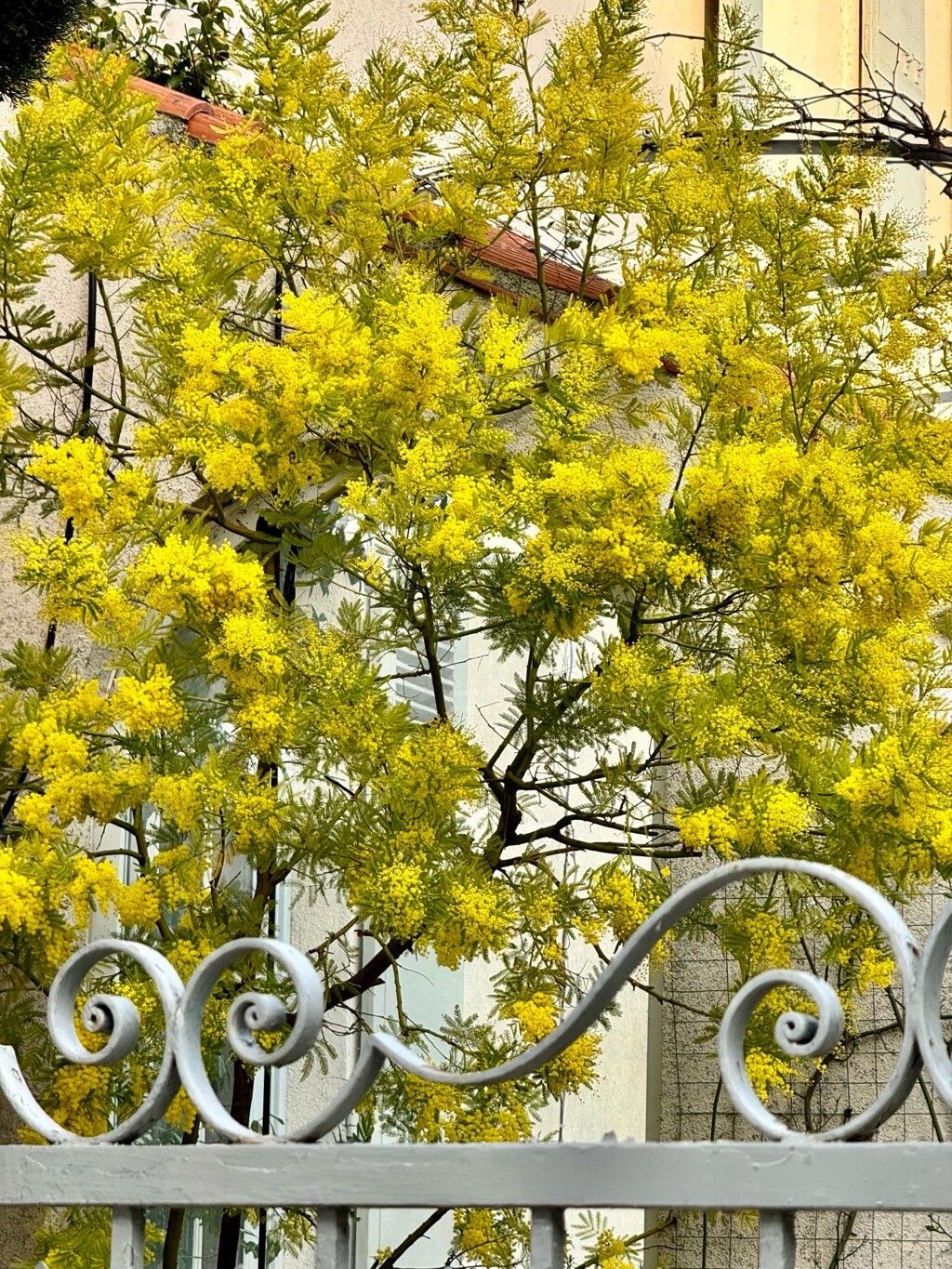
Propagating Acacia decurrens: A Gardener’s Guide to the Sydney Golden Wattle
Introduction:
Acacia decurrens, commonly known as the Sydney Golden Wattle, is a striking Australian native tree prized for its vibrant golden flowers and graceful foliage. Its rapid growth, adaptability, and attractive appearance make it a popular choice amongst gardeners, both in its native range and beyond. However, propagation of this species presents unique challenges. While its aesthetic value is undeniable, successfully multiplying this wattle requires careful consideration of various propagation techniques. This article explores the viability and challenges of different methods for propagating Acacia decurrens.
Seed Germination:
Seed germination is a viable method for propagating Acacia decurrens, but success hinges on overcoming dormancy challenges. The hard seed coat often prevents water uptake, hindering germination.
Challenges: Hard seed coat, slow germination rate.
Tips: Pre-treatment is crucial. Methods include:
- Scarification: Lightly nicking or filing the seed coat to allow water penetration. Be careful not to damage the embryo.
- Boiling water treatment: Briefly immersing seeds in boiling water followed by soaking in warm water for 24 hours can help soften the seed coat.
- Acid scarification: Soaking seeds in concentrated sulfuric acid for a short period can also be effective, but requires caution due to the corrosive nature of the acid.
After scarification, sow seeds in a well-draining seed-starting mix, keeping the soil consistently moist but not waterlogged. Germination can take several weeks.
Rewards: High genetic diversity amongst seedlings, potential for large-scale propagation making it cost-effective.
Cuttings:
Propagating Acacia decurrens from cuttings is possible, but success rates are generally lower compared to seed propagation.
Challenges: Low rooting success rate, susceptibility to fungal diseases.
Tips: Use semi-hardwood cuttings taken from current season’s growth. Dip the cut ends in rooting hormone before planting in a well-draining medium like perlite or a sand and peat moss mix. Maintain high humidity and warmth to encourage root development. Regularly mist the cuttings to avoid water stress.
Rewards: Produces plants genetically identical to the parent plant, useful for preserving desirable traits.
Division:
Division is generally not a viable propagation method for Acacia decurrens due to its tree-like form and deep root system. Attempting division would likely severely damage the plant.
Challenges: Nearly impossible to successfully divide due to a deep extended root system.
Tips: Not applicable.
Rewards: Not applicable.
Tissue Culture:
Tissue culture is a potentially effective method, offering greater control over the propagation process and higher success rates. However, it requires specialized equipment, sterile conditions, and expertise.
Challenges: High initial investment in equipment and expertise, potential for contamination, and maintaining sterile conditions.
Rewards: High propagation rates, disease-free plants, potential for mass production of genetically identical plants.
Conclusion:
Propagating Acacia decurrens presents unique challenges regardless of the chosen method. Seed germination, while viable, necessitates overcoming dormancy. Cuttings offer a chance to maintain desirable characteristics but yield lower success rates. Division is practically impossible. Tissue culture offers the best success rate but requires significant resources, expertise, and specialized conditions. The rewards, however, are worth the efforts for those successful in propagating this magnificent wattle: the genetic diversity of seedlings from seed, the preservation of valuable traits from cuttings, or the high-volume production of disease-free plants in tissue culture. The satisfaction derived from nurturing a tiny seed or cutting into a thriving Sydney Golden Wattle, overcoming the initial hurdles, is an immeasurable reward for the dedicated gardener. Don’t be discouraged by initial setbacks, for the beauty and resilience of Acacia decurrens are well worth the perseverance.