
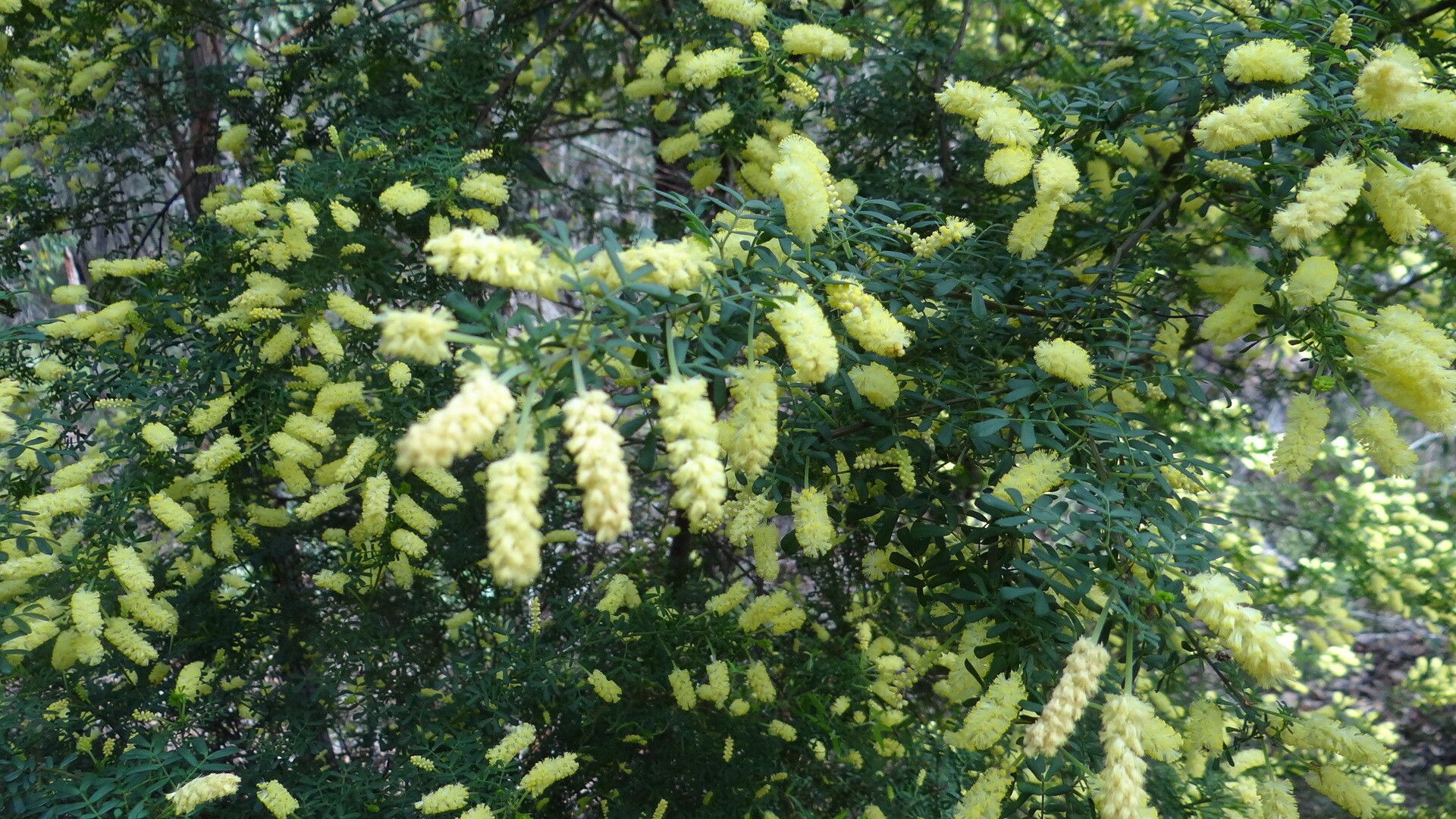
Propagating Acacia drummondii: A Gardener’s Guide to the Wiry Wattle
Acacia drummondii, commonly known as the Wiry Wattle, is a charming, drought-tolerant shrub native to Western Australia. Its delicate, fern-like foliage and profuse display of golden yellow flowers make it a popular choice amongst gardeners seeking low-maintenance, visually striking additions to their landscapes. Its adaptability and resilience also make it a valuable plant for revegetation projects. However, propagating this attractive species presents unique challenges. This article explores various propagation methods, outlining their feasibility and providing practical advice for success.
Seed Germination:
Seed germination is a viable method for propagating Acacia drummondii, although it presents certain challenges. The hard seed coat significantly inhibits germination. Successful propagation requires overcoming this dormancy.
Challenges: Hard seed coat inhibiting water uptake.
Tips: Pre-treatment is crucial. Methods include:
- Scarification: Nicking the seed coat with a file or sandpaper to allow water penetration. Care must be taken not to damage the embryo.
- Soaking: Soaking seeds in hot water (near boiling) for a short period (around 1 minute) can also help soften the seed coat.
- Stratification: While not strictly necessary, a period of cold stratification (placing seeds in moist vermiculite or peat moss in a refrigerator for 4-6 weeks) may improve germination rates.
Sowing should be done in a well-draining seed-starting mix, keeping the soil consistently moist but not waterlogged. Germination typically occurs within 2-4 weeks, but can take longer.
Rewards: Seed propagation offers the benefit of genetic diversity and the potential for large-scale propagation, making it ideal for restoration projects or producing large numbers of plants.
Cuttings:
Cuttings are a feasible method for propagating Acacia drummondii, offering a quicker route to established plants compared to seed germination.
Challenges: The success rate can be variable and depends on factors like the time of year, the type of cutting taken (semi-hardwood cuttings are generally best), and the use of rooting hormone.
Tips: Take semi-hardwood cuttings in late spring or early summer from the current season’s growth. Remove lower leaves to prevent rotting and dip the cut end in rooting hormone before planting in a well-draining propagation mix. Maintain high humidity (e.g., using a propagation dome) and consistent moisture.
Rewards: Cuttings offer a faster method of propagation than seed germination, allowing for quicker establishment of desirable genotypes.
Division:
Division is not a practical method for propagating Acacia drummondii. This species typically doesn’t develop the type of root system conducive to division.
Challenges: The fibrous root system of Acacia drummondii makes division extremely difficult and likely to result in plant damage and failure to establish new plants.
Tissue Culture:
While tissue culture is a potentially viable method for large-scale propagation, it’s a complex technique requiring specialized equipment and expertise. It is not usually a practical method for the home gardener.
Challenges: Requires specialized laboratory equipment, sterile conditions, and technical expertise. The cost and setup can be considerable.
Rewards: Tissue culture allows for the rapid propagation of large numbers of genetically identical plants, ideal for commercial production or preserving rare genotypes.
Conclusion:
Propagating Acacia drummondii presents unique challenges regardless of the method chosen. Seed germination requires patience and overcoming seed dormancy, while cuttings offer a faster alternative but with a variable success rate. Division is impractical. While tissue culture offers high-volume propagation, it’s not accessible to most home gardeners. The rewards, however, are significant: the satisfaction of nurturing these resilient plants from seed or cuttings, contributing to their propagation, whether for personal enjoyment or conservation efforts, is deeply rewarding. For aspiring propagators, perseverance and attention to detail are key to success. Start with a small number of plants using your chosen method and patiently learn from the process. The beautiful, vibrant blossoms of the Wiry Wattle are a fitting reward for your efforts.
