Propagating the Mountain Wattle: A Guide to Cultivating Acacia excelsa
Introduction
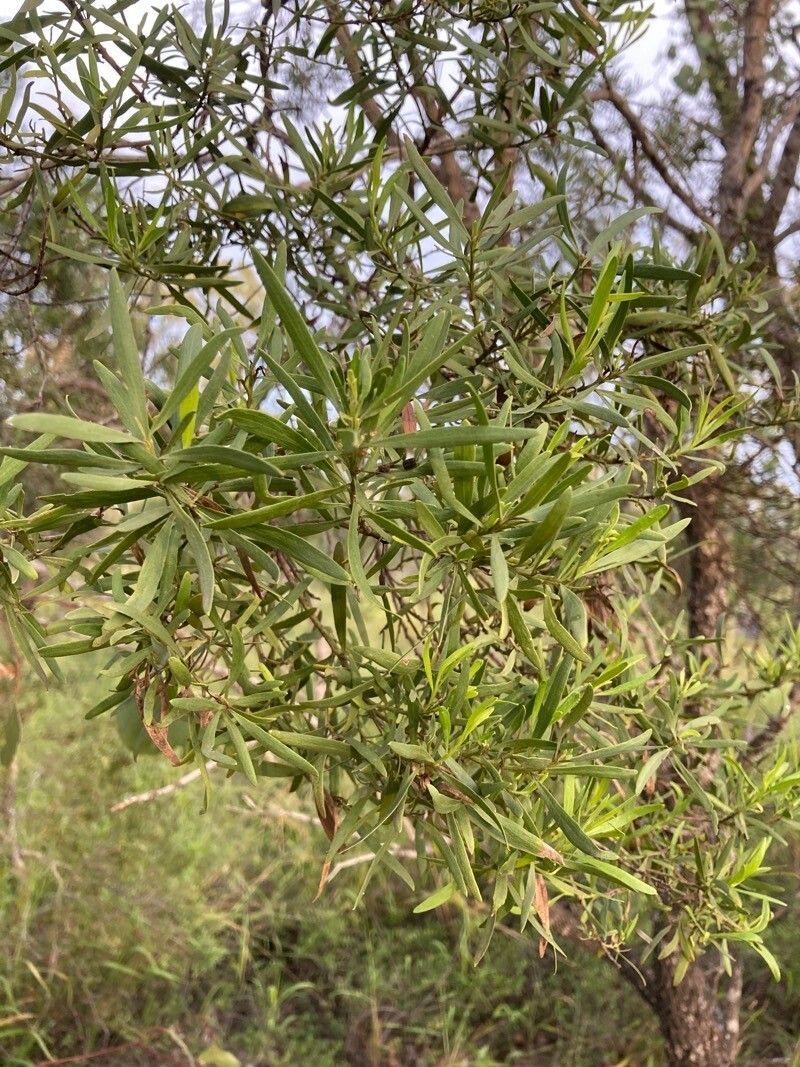
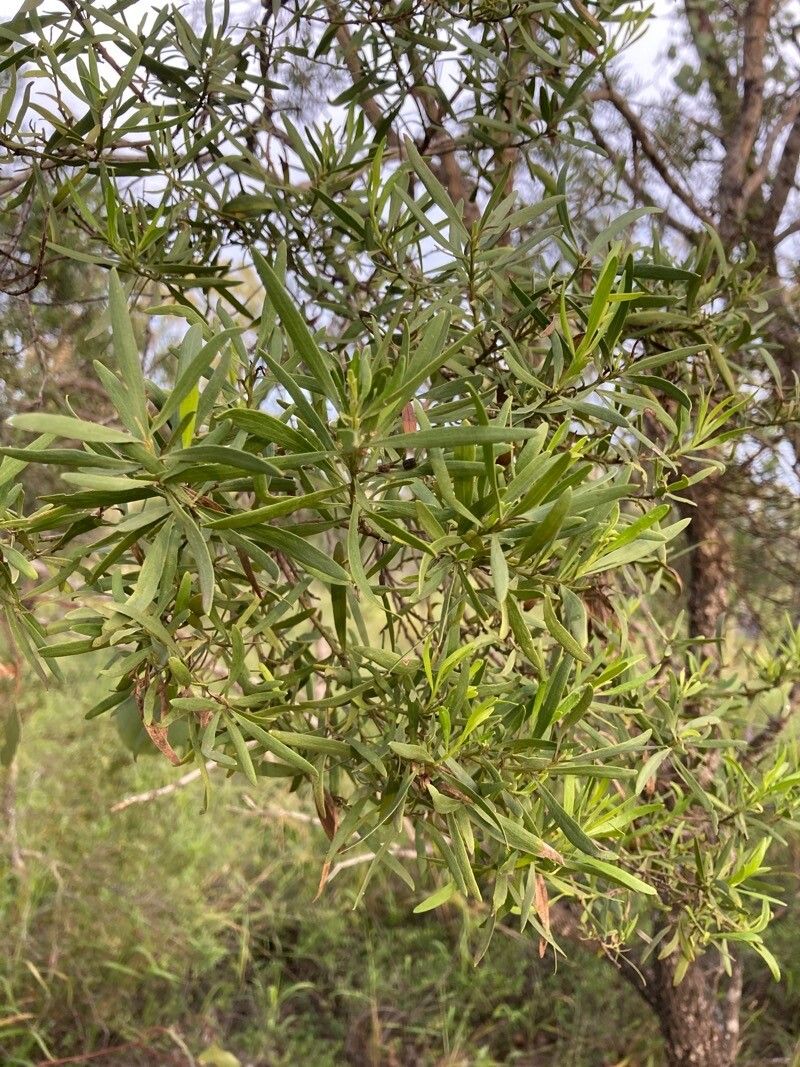
Acacia excelsa, commonly known as the Mountain Wattle, is a striking Australian native tree prized for its graceful habit, attractive foliage, and profuse displays of bright yellow flowers. This elegant species boasts significant horticultural importance, gracing gardens with its beauty and providing valuable habitat for wildlife. Its popularity among gardeners is fueled by its adaptability to various conditions and relative ease of establishment once successfully propagated. However, propagation of Acacia excelsa presents unique challenges, making successful cultivation a particularly rewarding experience.
Seed Germination
Seed germination is a viable method for propagating Acacia excelsa, but it does present challenges. The hard seed coat often inhibits water uptake, leading to dormancy. Overcoming this requires pre-treatment, typically scarification. This can be achieved through mechanical means (e.g., gently nicking the seed coat with a file or sandpaper) or chemical means (e.g., soaking seeds in concentrated sulfuric acid for a short period – use appropriate safety precautions). After scarification, seeds should be soaked in warm water for 24 hours before sowing.
Practical Tips: Sow seeds in a well-draining seed-starting mix, covering them lightly with soil. Maintain consistently moist (but not waterlogged) conditions. Germination rates vary and can be hampered by inconsistent temperature and moisture levels. Warm temperatures (20-25°C) generally promote better germination.
Rewards: Successful seed germination offers the advantages of genetic diversity and the potential for large-scale propagation, ensuring a wider distribution of this valuable species.
Cuttings
Propagating Acacia excelsa from cuttings is generally considered less reliable than seed germination. While some success may be achieved with semi-hardwood cuttings taken in late summer or early autumn, rooting is often unpredictable.
Challenges: The success rate is highly variable and depends greatly on environmental conditions and the skill of the propagator. Cuttings are less likely to produce as many plants per individual plant as seed.
Practical Tips: Use a rooting hormone and maintain high humidity (e.g., using a propagation dome or misting regularly). A well-draining propagation mix is crucial to prevent rot.
Rewards: While less efficient than seed propagation, successful cutting propagation can quickly provide plants with specific desirable traits from a parent plant.
Division
Division is not a practical method for propagating Acacia excelsa. This tree has a single taproot system that makes separating it difficult and highly likely to cause plant death.
Tissue Culture
Tissue culture presents a potentially effective method for propagating Acacia excelsa, although it requires specialized equipment, sterile techniques, and expertise in plant tissue culture.
Challenges: This method is costly and requires significant technical skill. It is generally not a feasible option for the home gardener.
Practical Tips: This method is best left to professionals with access to specialized facilities.
Rewards: Tissue culture offers the potential for rapid and large-scale propagation while preserving genetic uniformity.
Conclusion
Propagating Acacia excelsa offers rewards that outweigh the challenges. While seed germination provides the most practical and efficient method for large-scale propagation (with careful scarification), the somewhat unpredictable nature of success with cuttings highlights the importance of patience and persistence. The unique satisfaction derived from nurturing a tiny seedling into a thriving Mountain Wattle, reflecting its resilience and the grower’s dedication, is unparalleled. For aspiring propagators, the key is to embrace experimentation, employing a combination of techniques and learning from both successes and setbacks. Remember to research suitable local conditions and adjust techniques accordingly. The beauty of a flourishing Acacia excelsa in your garden is a testament to your perseverance and a rewarding contribution to the preservation of this valuable Australian native.