Propagating Acacia lanceolata: A Guide for Garden Enthusiasts
Introduction:
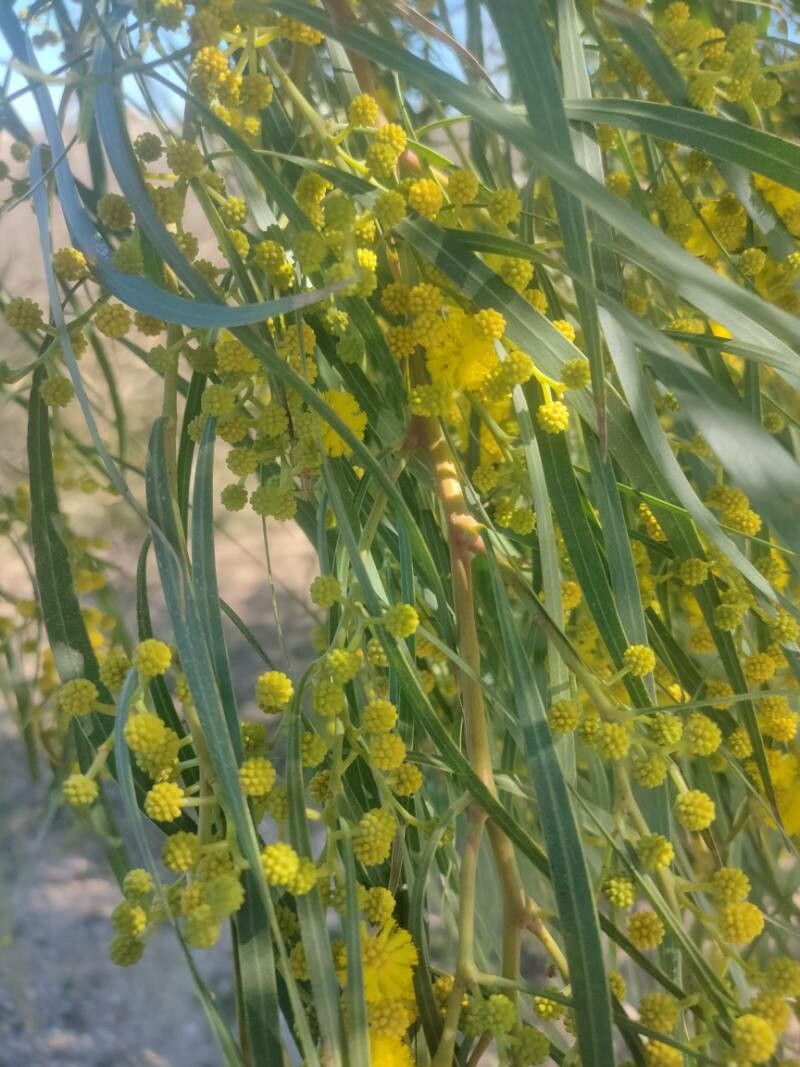
Acacia lanceolata, also known as the Narrow-leaved Wattle or Spear-leaved Wattle, is a striking Australian native tree prized for its graceful weeping habit, fragrant yellow flowers, and adaptability to various soil types. Its popularity among gardeners stems from its relatively low maintenance needs and its contribution to attracting native pollinators and wildlife. Propagating Acacia lanceolata can be challenging, however, with success dependent on the chosen method and careful attention to detail. The inherent genetic diversity within seed-propagated plants offers a unique reward compared to the uniformity of vegetative propagation methods.
Seed Germination:
Seed germination is a viable method for propagating Acacia lanceolata, though it presents challenges. The hard seed coat often inhibits water uptake and germination.
Challenges: Hard seed coat preventing germination, inconsistent germination rates.
Practical Tips: Pre-treatment is crucial. Scarification, either mechanical (nicking the seed coat with sandpaper or a file) or chemical (soaking in concentrated sulfuric acid for a short period – use caution with this method), is essential to break seed dormancy. After scarification, soak seeds in warm water for 24 hours before sowing in a well-draining seed-starting mix. Maintain consistently moist (but not waterlogged) conditions and a warm temperature (around 20-25°C).
Rewards: High genetic diversity leading to a wider range of plant characteristics, potential for mass propagation, and the satisfaction of growing plants from seed.
Cuttings:
Cuttings represent a viable propagation method for Acacia lanceolata.
Challenges: Success rates can be variable and depend heavily on timing (ideally during active growth periods), the use of rooting hormones, and maintaining high humidity levels. Hardwood cuttings tend to root more reliably than softwood.
Practical Tips: Take semi-hardwood cuttings (approx. 10-15 cm long) from new growth in late spring or early summer. Remove lower leaves to prevent rotting and dip the cut end in rooting hormone. Plant cuttings in a well-draining growing medium such as a mix of perlite and vermiculite, keeping the humidity high using a propagator or plastic bag.
Rewards: Easier to achieve consistent results than seed propagation, faster establishment compared to seedlings, and preserves the characteristics of the parent plant.
Division:
Division is generally not a viable method for propagating Acacia lanceolata, as it is typically a single-trunked tree and does not readily produce suckers or easily separable root systems.
Tissue Culture:
Tissue culture propagation of Acacia lanceolata is possible but requires specialized laboratory equipment and expertise. It is generally not a practical method for home gardeners.
Challenges: Requires specialized equipment, sterile working conditions, and technical knowledge. High initial setup costs and ongoing maintenance.
Practical Tips: Not applicable for home gardeners. Contact a professional tissue culture laboratory for propagation.
Rewards: Potential for mass propagation of disease-free plants, preservation of valuable genetic material, and the possibility of micropropagation for rare or endangered cultivars.
Conclusion:
Propagating Acacia lanceolata offers a rewarding but challenging experience. While seed germination offers the diversity of genetic material, it requires patience and careful techniques to overcome dormancy challenges. Cuttings provide a more reliable, albeit less diverse, method for propagation. The unique satisfaction derived from successfully propagating this beautiful Australian native lies in overcoming these hurdles and witnessing the growth of a plant from a small seed or cutting into a mature tree. For home gardeners, cuttings might offer the most attainable route to success, while those seeking a larger-scale operation or preservation of specific genetic traits should consider the investment in seed germination or professional tissue culture. The journey, however challenging, is well worth the effort for the beauty and ecological benefit this native tree brings.