
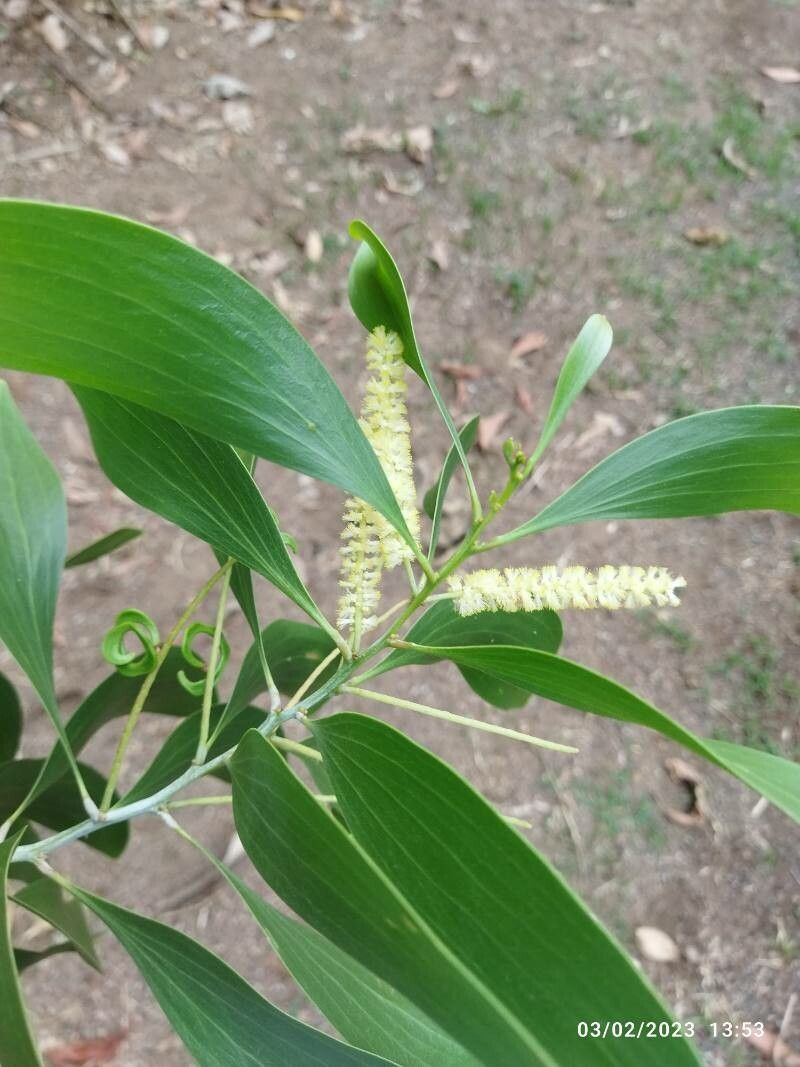
Propagating Acacia mangium: Growing the Tropical Black Wattle
Introduction
Acacia mangium, commonly known as the Tropical Black Wattle, is a fast-growing, nitrogen-fixing tree native to Australia and Papua New Guinea. Its rapid growth, adaptability to various soil types, and tolerance to harsh conditions make it highly valuable for reforestation, agroforestry, and pulpwood production. Its attractive foliage and relatively quick growth have also led to increased interest among gardeners, although its mature size means it’s best suited for larger properties. However, propagation can present some unique challenges.
Seed Germination:
Seed germination is a viable method for propagating Acacia mangium, but success hinges on overcoming several obstacles. The hard seed coat inhibits water uptake, reducing germination rates.
Challenges: Hard seed coat, inconsistent germination rates.
Practical Tips: Pre-treatment is crucial. Scarification, either mechanical (scoring the seed coat with sandpaper) or chemical (using concentrated sulfuric acid for a short period – carefully follow safety precautions), is necessary to break seed dormancy. Soaking the seeds in warm water for 24-48 hours before sowing further improves germination. Sow seeds in a well-draining seed-starting mix, maintaining consistent moisture but avoiding waterlogging. Warm temperatures (20-30°C) are optimal.
Rewards: Seed propagation offers a high degree of genetic diversity, crucial for establishing robust and resilient populations. It’s also a relatively inexpensive method, suitable for large-scale production.
Cuttings:
Cuttings propagation of Acacia mangium is possible, but success rates are generally lower compared to seed germination. The species’ hardiness contributes to the difficulty in rooting.
Challenges: Low rooting success rate, susceptibility to fungal infections.
Practical Tips: Use semi-hardwood cuttings (taken from current season’s growth) in late spring or early summer. Treat the cuttings with a rooting hormone to promote root development. Plant cuttings in a well-draining, sterile medium and maintain high humidity through misting or using a propagator.
Rewards: Cuttings can ensure the propagation of desirable traits from a specific parent plant, bypassing genetic variability inherent in seed propagation. This is useful for cultivars with particular growth characteristics or disease resistance.
Division:
Division is not a practical method for propagating Acacia mangium. This species doesn’t readily form multiple stems or suckers suitable for division.
Challenges: Not applicable – division is not a feasible propagation method.
Tissue Culture:
Tissue culture is a viable method, offering the potential for rapid propagation and disease-free plants. However, it requires specialized equipment and expertise.
Challenges: High initial investment in equipment and expertise. Maintaining sterile conditions is paramount to prevent contamination.
Rewards: Large-scale propagation in a controlled environment is possible, ensuring disease-free plants with consistent genetic characteristics.
Conclusion:
Propagating Acacia mangium presents a set of unique challenges regardless of the chosen method. Seed germination, while relatively inexpensive, requires pre-treatment to overcome seed dormancy issues. Cuttings propagation offers the opportunity for clonal propagation but is associated with lower success rates. Tissue culture is potentially the most reliable method for large-scale propagation but has high upfront costs. The rewards, however, are significant: the ability to establish this valuable and versatile tree for various purposes, from large-scale reforestation projects to individual gardens. The satisfaction that comes from successfully cultivating this fast-growing species, despite the hurdles, is immense. Aspiring propagators should carefully consider their resources and objectives when selecting a propagation method, and don’t be discouraged by initial setbacks – persistence and attention to detail are key to success.
