Propagating Acaena integerrima: A Gardener’s Guide to the Bidibid
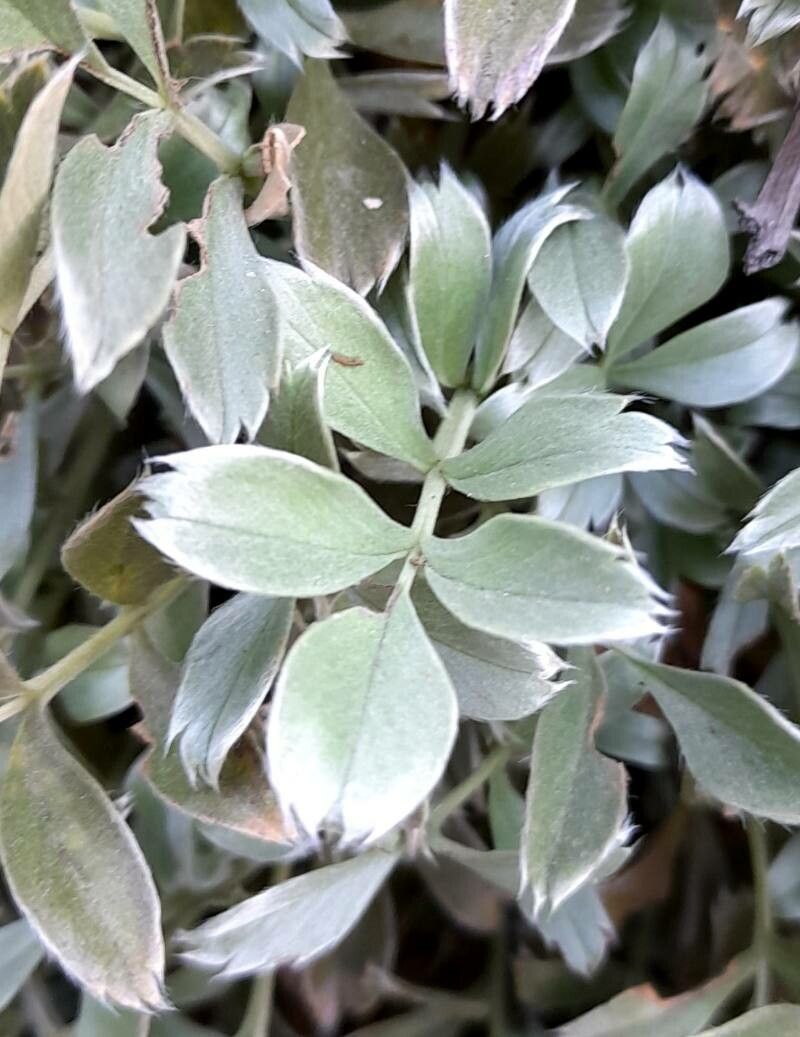
Acaena integerrima, commonly known as the bidibid or New Zealand bidibid, is a charming groundcover prized for its fine, fern-like foliage and attractive, spiky seed heads. Its adaptability to various soil types and its tolerance of drought conditions make it a popular choice among gardeners seeking low-maintenance, yet visually appealing landscaping solutions. However, its propagation isn’t always straightforward, presenting unique challenges and rewards to the dedicated cultivator.
Seed Germination:
Currently, there are no known reliable methods for seed germination propagation of Acaena integerrima. While seeds are produced, their germination rate is exceptionally low, and even under optimal conditions, consistent success remains elusive. Further research into specific stratification requirements or pre-treatment techniques might yield results in the future, but currently, seed propagation is not a practical method.
Cuttings:
Cuttings offer a more reliable method for propagating Acaena integerrima. The challenges lie in achieving successful rooting.
Challenges: Cuttings can be slow to root, and the success rate is dependent on factors such as the timing (preferably in spring or early summer), the type of cutting (softwood or semi-hardwood cuttings are generally preferred), and the rooting medium (a well-draining mix of perlite and peat moss is recommended). Also ensure cuttings are taken from healthy, actively growing plants.
Practical Tips: Take 4-6 inch cuttings from non-flowering stems. Remove lower leaves to prevent rotting. Dip the cut ends in rooting hormone before planting in the prepared medium. Maintain high humidity (using a propagator or humidity dome) and consistently moist (but not waterlogged) conditions.
- Rewards: Cuttings offer a faster method of propagation than division and provide a high chance of cloning selected desirable traits from the mother plant. It’s a much more practical option for producing a significant number of plants.
Division:
Division is a relatively simple and effective method for increasing your stock of Acaena integerrima.
Challenges: Division is best carried out in spring or autumn. The plant needs to be sufficiently established to be easily divided without causing undue stress. Overly aggressive division can lead to reduced vigour or even plant death.
Practical Tips: Carefully dig up the established plant. Gently separate the root mass into smaller sections, ensuring each division has a good portion of healthy roots and several growing points. Replant the divisions immediately in well-prepared soil. Water thoroughly and provide shade until the plants have re-established themselves.
- Rewards: Division offers a quick and efficient way to propagate a limited number of plants. The relatively high success rate makes it ideal for producing several new plants from single specimen.
Tissue Culture:
Tissue culture propagation is a highly specialized technique not commonly employed for Acaena integerrima at home.
Challenges: Tissue culture requires specialized equipment, a sterile environment, and considerable expertise. It is generally undertaken in commercial settings.
Practical Tips: No practical home-based advice is applicable as this requires extensive experience in plant tissue culture.
- Rewards: While offering the possibility of rapid multiplication and disease-free plants, the cost, equipment needs and level of technical expertise required make tissue culture unrealistic for the average home gardener.
Conclusion:
Propagating Acaena integerrima presents different levels of difficulty depending on the chosen method. While seed propagation currently appears impractical, cuttings and division provide viable options for the home gardener. The challenges involved, from achieving successful rooting of cuttings to ensuring the proper division of the root system, underscores the rewarding nature of successfully cultivating this plant. The satisfaction of nurturing a cutting from a small piece of stem into a thriving groundcover, or carefully dividing a mature plant to create new life, is a testament to the perseverance and dedication of plant enthusiasts. The unique characteristics of Acaena integerrima and the satisfaction of overcoming the propagation challenges make it a particularly rewarding plant to cultivate. For aspiring propagators, experimenting with different cuttings and divisions is greatly encouraged – the effort invested will be handsomely repaid with a beautiful and hardy groundcover within your garden.