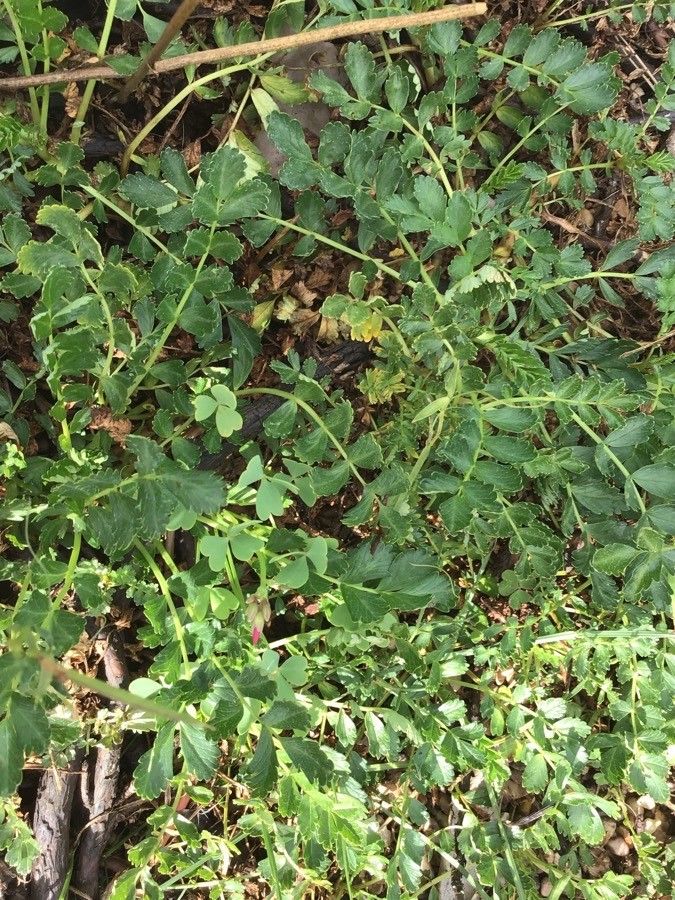
Propagating Acaena magellanica: A Gardener’s Guide to the Charming "Biddy Biddy"
Acaena magellanica, commonly known as Biddy Biddy, is a charming groundcover prized for its fine, fern-like foliage and striking, spiky seed heads. Its tolerance to diverse conditions – including poor soils and coastal exposure – makes it a favourite among gardeners seeking low-maintenance, attractive landscaping solutions. However, its propagation isn’t always straightforward, making successful cultivation all the more rewarding. This article explores various methods, highlighting both challenges and triumphs.
Seed Germination:
Currently, there are no known reliable methods for seed germination propagation of Acaena magellanica. While seeds may be produced, their germination rate is exceptionally low, and consistent success has not been documented in horticultural literature. This low germination rate is likely due to a combination of factors possibly including dormancy mechanisms and the need for specific environmental cues not easily replicated in typical germination settings. Therefore, other propagation methods are strongly recommended.
Cuttings:
Propagating Acaena magellanica via cuttings offers a more reliable method than seed germination.
Challenges: Root development can be slow and inconsistent, particularly with softwood cuttings. The success rate is dependent on factors such as timing (best taken in spring or early summer), appropriate rooting hormone application, and maintaining consistently humid conditions to avoid desiccation.
Practical Tips: Take semi-hardwood cuttings (partially mature stems) of about 10-15cm in length. Remove lower leaves to prevent rot. Dip the cut ends in a rooting hormone powder before planting into a well-draining propagation mix (e.g., a mix of perlite and peat moss). Maintain high humidity using a propagator or by covering the cuttings with a plastic bag. Ensure good light but avoid direct sun. Patience is key; rooting can take several weeks or even months.
Rewards: Cuttings offer a relatively fast way to produce genetically identical plants, preserving desirable traits of a mother plant.
Division:
Division is arguably the most straightforward and successful method for propagating Acaena magellanica.
Challenges: The main challenge is the potential damage to the plant during division. Mature clumps are often vigorously rooted and separating them without harming the root system requires care.
Practical Tips: Divide established clumps in spring or autumn. Ensure each division contains healthy roots and sufficient foliage. Plant the divisions immediately into well-prepared soil. Water thoroughly after planting.
Rewards: Division is quick, relatively easy, and ensures high success rates, resulting in multiple new plants quickly established in your garden.
Tissue Culture:
Tissue culture is a sophisticated method offering the potential for large-scale propagation and disease-free plants.
Challenges: Tissue culture requires specialized equipment, sterile conditions, and a working knowledge of plant tissue culture techniques. It is not a practical method for the home gardener. Establishing optimal growth media and protocols for Acaena magellanica may also require experimentation.
Practical Tips: This method is best left to commercial nurseries or researchers with the necessary resources and experience.
Rewards: Large-scale clonal propagation becomes possible enabling swift and efficient mass production. Disease-free plantlets can be generated, leading to healthy gardens.
Conclusion:
While seed germination is currently unreliable for Acaena magellanica, cuttings and division offer viable alternatives. Division is arguably the simplest and most reliable approach for the average gardener, while cuttings require more patience and attention to detail. Tissue culture presents a more advanced method applicable primarily to commercial settings. The challenges associated with propagating Biddy Biddy underscore its unique charm. The reward of successfully nurturing these plants, seeing them thrive from a small cutting or a divided section, provides a distinct satisfaction that surpasses the ease of purchasing established plants. So, choose your method based on your experience level and resources, and enjoy the journey of propagating this rewarding groundcover.