Propagating Acaena ovalifolia: A Guide to Cultivating the Cushion Burr
Introduction
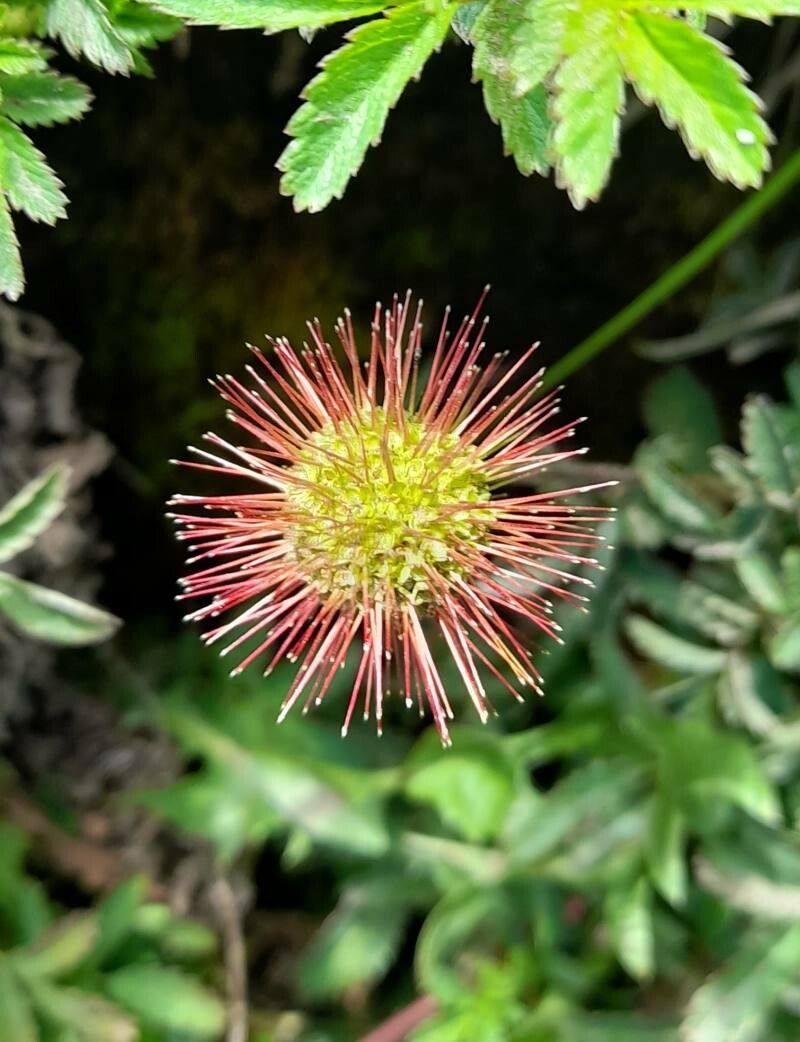
Acaena ovalifolia, commonly known as the cushion burr, is a low-growing, spreading perennial prized for its attractive foliage and charming, spiky burrs. Its dense, mounding habit makes it ideal for ground cover, rock gardens, and erosion control. Its tolerance for a range of conditions contributes to its popularity amongst gardeners, but propagating this plant can present some challenges. While successful propagation offers a rewarding experience, it requires patience and attention to detail. The unique aspect of Acaena ovalifolia propagation lies in the variability of success across different methods, making careful consideration of the options crucial.
Seed Germination
Currently, there are no known reliable methods for seed germination propagation of Acaena ovalifolia. While seeds may be produced, their germination rate is notoriously low, and successful germination in a controlled environment has not been consistently documented. Further research may uncover successful techniques, but currently, seed propagation is not a recommended method.
Cuttings
Cuttings offer a more reliable method of propagating Acaena ovalifolia than seed germination.
Challenges: Rooting from cuttings can be slow and inconsistent. The success rate depends heavily on the age and health of the parent plant, the timing of the cuttings, and the propagation environment.
Practical Tips: Semi-hardwood cuttings taken in late summer or early autumn generally yield the best results. Use a sharp knife or shears to take 4-6 inch cuttings, removing lower leaves to prevent rot. Dip the cut ends in rooting hormone and plant them in a well-draining propagation mix (e.g., a mix of perlite and peat moss). Maintain consistent moisture and high humidity (e.g., using a propagator or covering with a plastic bag) until rooting occurs (this can take several weeks).
Rewards: Cuttings offer a relatively quick method of producing clones of the parent plant, preserving desirable characteristics. This is particularly useful when propagating a superior cultivar.
Division
Division is another relatively successful method for propagating Acaena ovalifolia.
Challenges: This method is best suited for established plants, potentially damaging the parent plant if not done carefully. The division must be large enough to ensure each section has sufficient roots and foliage to establish itself.
Practical Tips: The best time to divide Acaena ovalifolia is during the spring or autumn when the plant is actively growing. Carefully dig up the parent plant and gently separate it into smaller sections using a sharp spade or knife. Ensure each section has a good root system and several healthy shoots. Replant the divisions immediately in prepared soil, keeping them adequately watered until established.
Rewards: Division allows for rapid increase in plant numbers, and it’s a relatively simple method if done correctly.
Tissue Culture
Tissue culture propagation, while offering the possibility of mass propagation, is generally impractical for home gardeners due to the need for specialized equipment, sterile conditions, and technical expertise.
Challenges: Establishing a tissue culture protocol for Acaena ovalifolia would require significant research and investment in specialized laboratory equipment and expertise. This method is costly and best suited for large-scale commercial propagation.
Practical Tips: For amateurs, tissue culture is not a viable option.
Rewards: While potentially efficient, the high initial startup costs and significant technical knowledge needed make this a less practical option for most hobbyists.
Conclusion
Propagating Acaena ovalifolia presents unique challenges, with seed germination currently proving unreliable. Cuttings and division offer more viable approaches, requiring patience and careful technique but ultimately rewarding the grower with healthy new plants. While tissue culture offers high potential, its high cost and technical demands make it infeasible for most gardeners. The satisfaction derived from successfully growing this charming ground cover is directly proportional to the effort expended, making the journey as rewarding as the final outcome. For aspiring propagators, perseverance and attention to detail are key. Starting with cuttings or division offers the best chance of success for home gardeners seeking to expand their collection of this elegant, low-maintenance plant.